
Arizona Mold Remediation Contractor Insurance
See How We're Different:
or Call Us:(480) 526-3222
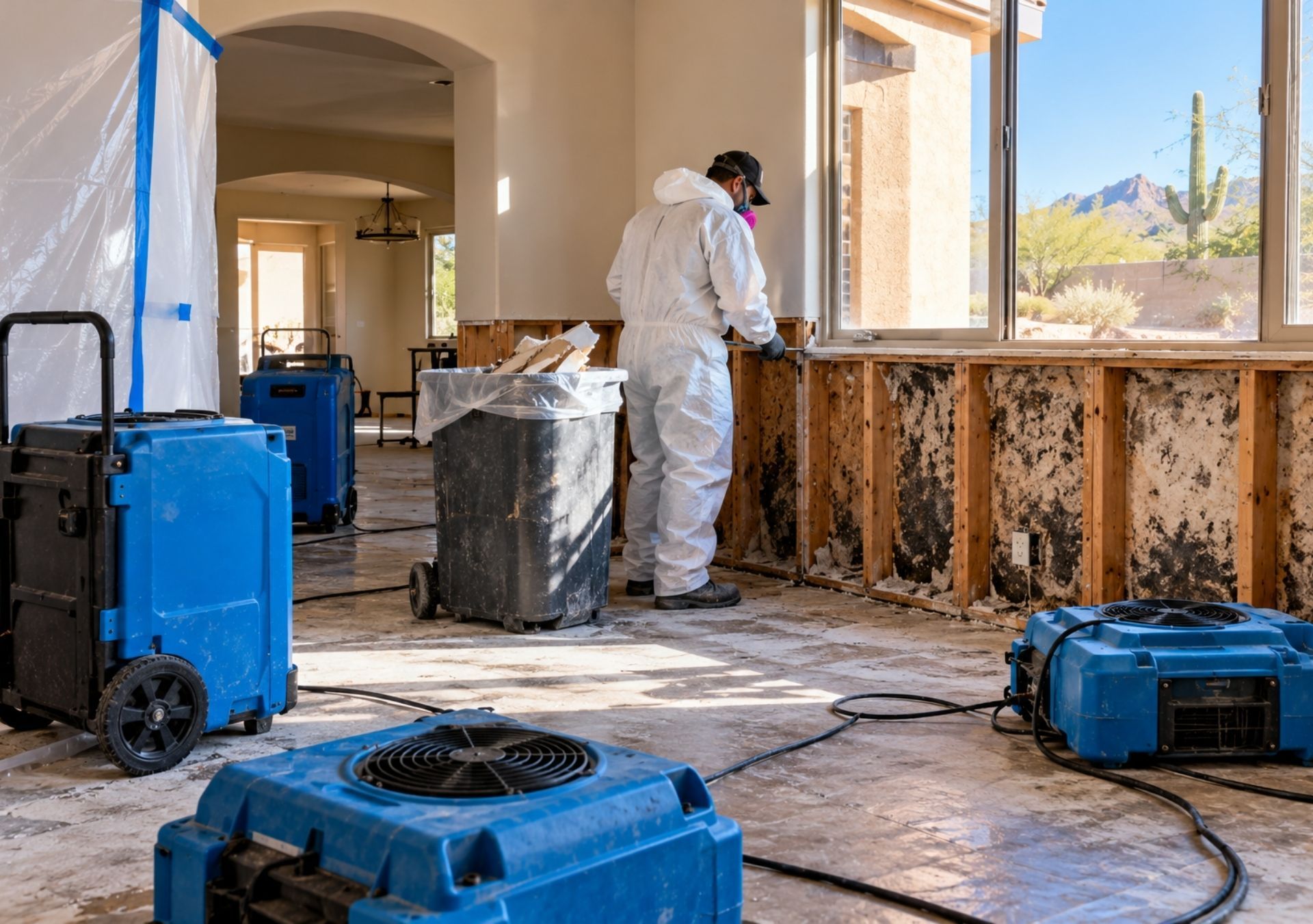
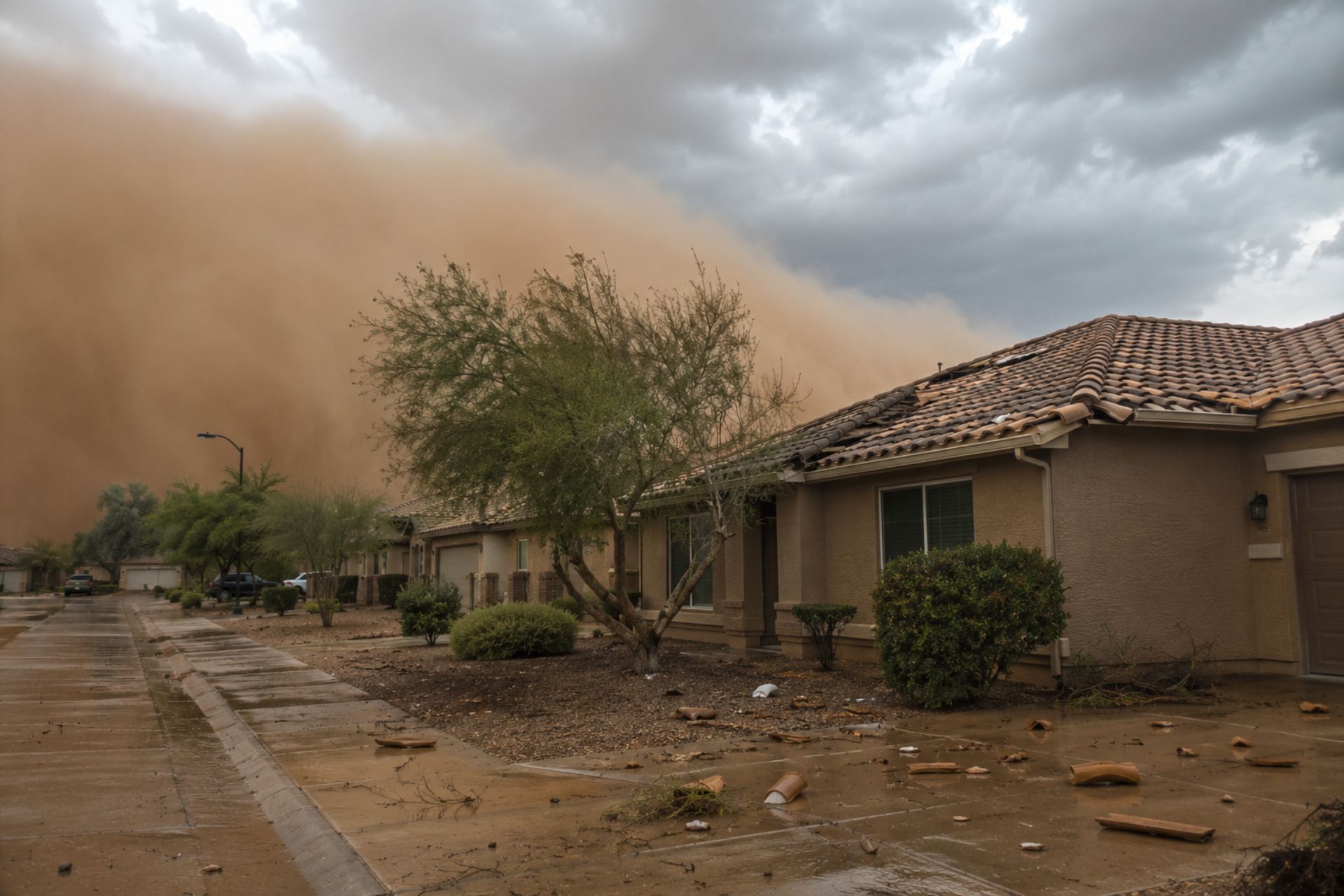
Arizona's monsoon season doesn't just bring flash floods and dust storms. It leaves behind moisture trapped in walls, under foundations, and inside HVAC systems, creating the perfect conditions for mold growth. For contractors who specialize in mold remediation, the work itself carries a unique blend of risks: pollution exposure, property damage claims, worker health hazards, and the ever-present threat of a lawsuit if post-remediation testing comes back positive.
Getting the right insurance coverage for a mold remediation business in Arizona isn't as simple as buying a
general liability policy and calling it done. Standard policies are riddled with exclusions that target exactly the kind of work you do. Pollution, fungi, bacteria: these are the words insurers use to deny claims. If you're running a mold removal operation in Phoenix, Tucson, or anywhere across the state, understanding the specific coverages you need, including
pollution liability, professional liability, and protections against monsoon-related claims, is what separates a business that survives a lawsuit from one that doesn't. This guide breaks down the insurance types, Arizona-specific regulations, and common policy gaps that every mold remediation contractor should know about in 2026.
The Risk Landscape for Arizona Mold Remediation Professionals
Arizona's desert climate creates a false sense of security about mold. The reality is that monsoon moisture, evaporative cooler condensation, and slab leaks produce mold problems year-round. Contractors face claims not just from the mold itself but from the chemicals used to treat it, the containment barriers that fail, and the air quality complaints that follow.
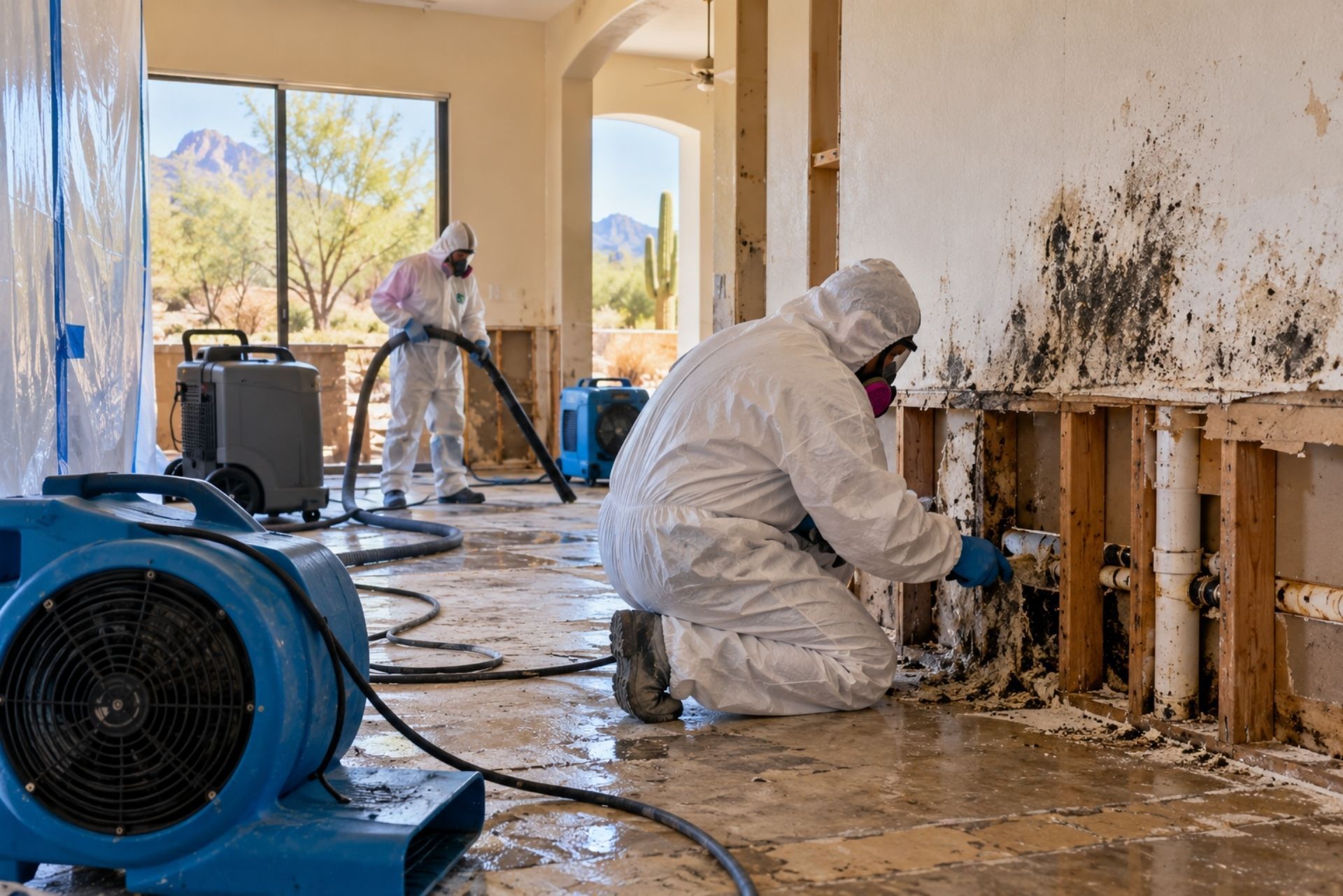
OSHA has increased Arizona inspections in 2026 focusing on respiratory protection standards and enforces mold safety through the General Duty Clause. That means your crew's exposure to Aspergillus, Stachybotrys, or Chaetomium during a job isn't just a health risk: it's a compliance risk. A single violation can trigger fines, and those fines aren't covered by most insurance policies.
The financial exposure extends to your clients' properties too. Most Arizona HO-3 homeowners policies carry a mold sub-limit capped between $5,000 and $10,000, which rarely covers a full remediation project. When a homeowner's insurance falls short, they look for someone else to blame, and that someone is usually the contractor who performed the work.
Mold contractors also need to comply with the
2026 Hazard Communication Standard updates aligned with GHS Revision 7, which require updated Safety Data Sheets and training for every chemical used during remediation. Failing to keep up with these requirements creates liability exposure that a standard policy won't touch.
Core Insurance Coverages for Mold Removal Businesses
General Liability vs. Pollution Legal Liability
A standard commercial general liability policy covers slip-and-falls on a job site, damage to a client's property from your equipment, and similar everyday risks. What it won't cover is the thing you actually do for a living. Standard GL policies are designed to deny mold claims twice: once under the pollution exclusion and again under a specific fungi/bacteria rider. That's not a bug in the policy. It's by design.
Pollution legal liability, or PLL, fills that gap. A PLL policy covers third-party bodily injury and property damage caused by the release of pollutants during your work. If your containment fails and mold spores spread to an adjacent unit, PLL responds. If a biocide you applied causes respiratory issues for the homeowner, PLL responds. Without it, you're essentially uninsured for the core risk of your trade.
The key distinction: GL covers general contractor risks, while PLL covers the pollution-specific risks that define mold remediation work. You need both.
Professional Liability and Errors & Omissions
Professional liability, often called errors and omissions coverage, protects you when your professional judgment is questioned. Did you write a remediation protocol that missed a moisture source behind the drywall? Did your post-remediation verification fail to catch elevated spore counts? These are E&O claims, and they're increasingly common as industrial hygienists and attorneys scrutinize remediation work more closely.
Professional liability responds to claims alleging negligent work, faulty protocols, or failure to meet industry standards like the IICRC S520. This coverage is separate from both GL and PLL, and skipping it leaves a dangerous hole in your protection.
Comparing Policy Features: Standard vs. Specialized Coverage
Choosing between a standard business policy and a specialized mold remediation insurance program comes down to where the exclusions fall. Here's a side-by-side comparison:
| Feature | Standard GL Policy | Specialized Mold Contractor Policy |
|---|---|---|
| Slip-and-fall coverage | Yes | Yes |
| Pollution/mold claims | Excluded | Included via PLL |
| Professional errors | Excluded | Included via E&O |
| Worker mold exposure | Workers' comp only | Workers' comp + employer's liability |
| Chemical spill liability | Excluded | Covered under PLL |
| Completed operations (mold) | Excluded | Covered |
| Transport of contaminated materials | Excluded | Covered via inland marine |
| Defense costs | Inside policy limits | Often outside limits |
The "completed operations" line deserves attention. A standard policy might cover damage you cause while on the job, but claims filed months after you leave, say when mold regrows due to an allegedly missed moisture source, fall under completed operations. Specialized programs include this; standard ones typically don't.
One thing to keep in mind: defense costs. Many standard policies count legal defense fees against your policy limit, meaning a $1 million policy might only have $600,000 left for the actual claim after attorneys get paid. Specialized programs often structure defense costs outside the limit, preserving your full coverage for settlements or judgments.
Arizona Regulatory Requirements and Licensing Bonds
Arizona's Registrar of Contractors uses a real-time monitoring system that ties your license directly to your insurance status. If your general liability or workers' compensation policy lapses, even for a day, your license is immediately suspended. There's no grace period and no courtesy call. Your license simply goes inactive until coverage is restored.
Mold remediation contractors working on structures typically need an ROC license in the appropriate classification. The bonding requirements vary by license type, but all active licenses require proof of both general liability insurance and workers' compensation coverage if you have any employees.
A significant 2026 regulatory change affects how you interact with homeowners. Arizona SB 1206, effective this year, strictly prohibits contractors from waiving or rebating a customer's insurance deductible to secure a contract. This practice was common in storm damage and water restoration work, where contractors would absorb the deductible as a sales incentive. Violating SB 1206 can result in license discipline and civil penalties, so make sure your sales team knows the rules.
You'll also want to verify that your insurance certificates list the ROC as a certificate holder where required. Automated reporting between insurers and the ROC means any discrepancy can trigger a review.
Protecting Your Assets with Workers' Comp and Inland Marine
Your crew faces real health risks every time they enter a mold-contaminated structure. Respiratory sensitization, skin reactions, and chronic lung conditions are all documented outcomes of occupational mold exposure. Workers' compensation isn't optional in Arizona if you have employees, and the good news is that rates have been dropping. Arizona voluntary loss costs saw a 6.7% reduction effective January 1, 2026, marking the 12th consecutive year of rate decreases.
That said, lower rates don't help if your experience modification factor is high due to past claims. Investing in proper PPE, fit-tested respirators, and regular training on the updated HazCom standards will keep your mod rate low and your premiums manageable.
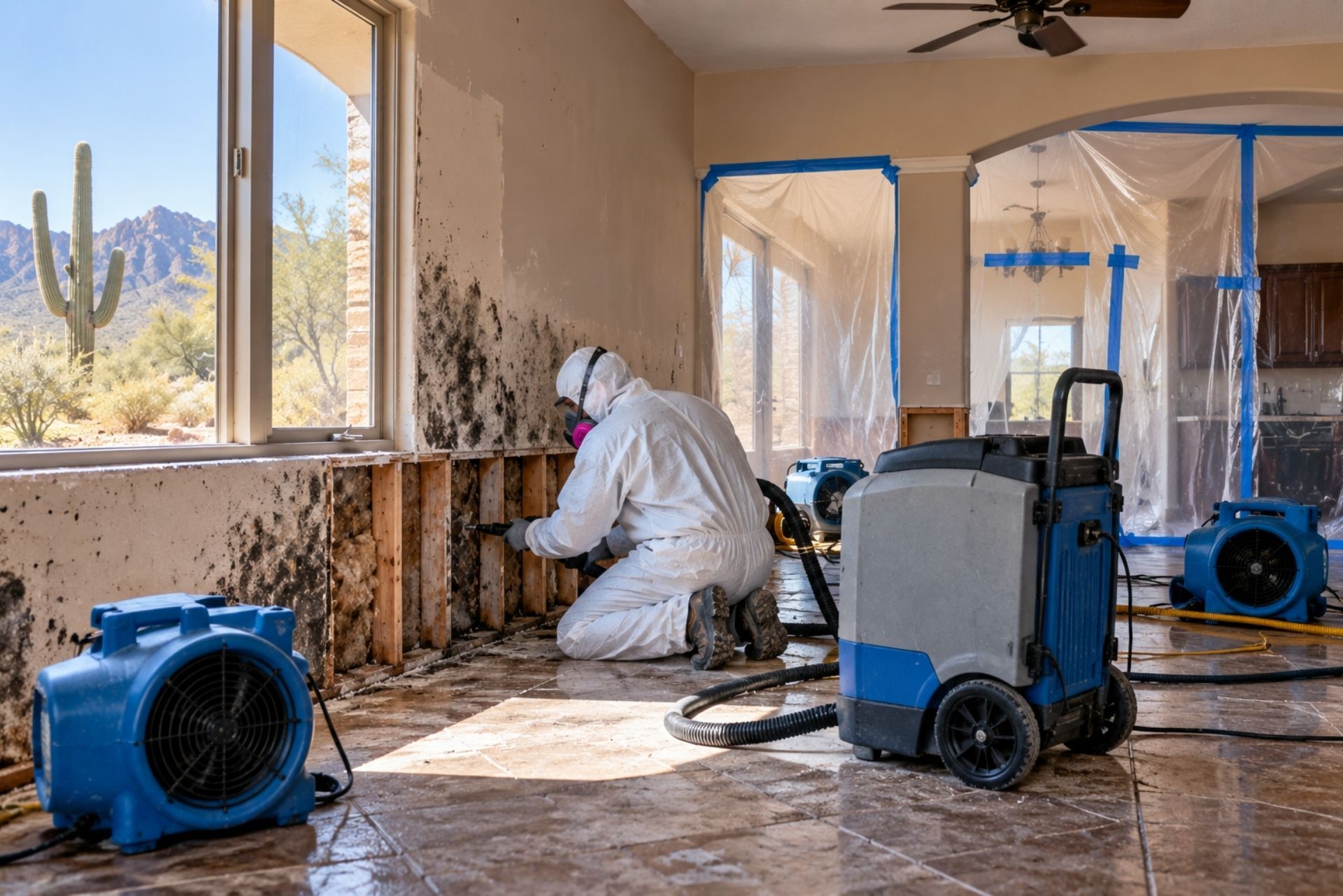
Inland marine coverage is the other piece most mold contractors overlook. Your negative air machines, HEPA vacuums, moisture meters, thermal imaging cameras, and dehumidifiers travel from job to job. A standard property policy covers equipment at your listed location, not in your truck or at a client's home. Inland marine fills that gap, covering your tools and equipment in transit and on the job site. For a business where a single HEPA air scrubber can cost several thousand dollars, this coverage pays for itself after one theft or van accident.
Frequently Asked Questions About Arizona Mold Insurance
Does my general liability policy cover mold-related claims? Almost certainly not. Standard GL policies exclude both pollution events and fungi/bacteria. You need a separate pollution legal liability policy to cover the claims most likely to arise from your work.
How much pollution liability coverage should I carry? Most mold remediation contractors carry between $1 million and $2 million in PLL coverage. Your ideal limit depends on the size of projects you take on and whether you work in occupied commercial buildings, which carry higher exposure.
What happens if my insurance lapses in Arizona? The ROC's real-time monitoring system will immediately suspend your contractor's license. You won't be able to legally perform work until coverage is reinstated and verified.
Can I bundle pollution liability with my general liability policy? Some specialized programs offer combined GL/PLL policies designed for environmental contractors. These are often more cost-effective than purchasing separate policies, but read the endorsements carefully to ensure completed operations are included.
Do I need professional liability if I only do remediation, not testing? Yes. Even if you don't perform testing, you're still making professional judgments about containment methods, remediation protocols, and clearance criteria. Any of those decisions can be challenged in a claim.
Are my employees covered if they develop health problems from mold exposure years later? Workers' compensation in Arizona covers occupational diseases, including those with delayed onset. However, proving the connection between workplace exposure and a later diagnosis can be complex, which is why thorough job documentation matters.
Making the Right Choice for Long-Term Protection
Insurance for mold remediation contractors in Arizona isn't a one-size-fits-all purchase. The combination of pollution liability, professional liability, workers' compensation, and inland marine coverage creates a layered defense that matches the layered risks of your work. Skipping any one of these leaves a gap that a single claim can exploit.
Start by auditing your current policies for mold and pollution exclusions. If you find them, and you almost certainly will, talk to a broker who specializes in environmental contractor insurance. Generic business insurance agents often lack the knowledge to properly place mold remediation risks, and the wrong policy is sometimes worse than no policy at all because it creates a false sense of security.
Arizona's regulatory environment rewards contractors who stay compliant and penalizes those who don't. Keep your certificates current, train your crew on the 2026 OSHA and HazCom updates, and build your insurance program around the specific hazards of mold work, not around what's cheapest. Your business depends on it.
About The Author:
Taylor Whatcott
As President of Wilde Wealth Insurance Services, I’m committed to providing trusted protection for both families and businesses across Arizona. Our independent team works with top-rated carriers to deliver tailored, comprehensive coverage—making insurance simple, accessible, and hassle-free.
Contact Us
Commercial Coverage Solutions
Protect Your Business with the Right Insurance
We offer customized insurance solutions to safeguard your business from financial risks. Our policies provide protection for property, employees, and liability concerns.
Commercial Property Insurance
Safeguards buildings, equipment, and inventory from damage or loss.
Professional Liability Insurance
Covers claims of negligence, errors, or omissions in services.
Cyber Liability Insurance
Protects against data breaches, cyberattacks, and online threats.
Who We Protect
Insurance Solutions for Your Industry
We specialize in providing tailored coverage for businesses in key industries. Our policies are designed to meet industry-specific risks and ensure complete protection.


Protection for Your Home & Assets
Reliable Coverage for Life’s Unexpected Moments
We provide personal insurance solutions designed to safeguard your home, vehicle, and financial well-being. Our policies ensure you and your loved ones are protected.







What Our Clients Say
Real Feedback. Real Confidence.
FAQs
Answers to Common Insurance Questions
How do I know which insurance coverage is right for me?
Choosing the right insurance depends on your personal or business needs. Our team evaluates your risks and recommends tailored coverage to protect what matters most.
We work with multiple carriers to provide different policy options. This allows you to compare benefits, limits, and pricing to make an informed choice.
If you’re unsure, we’ll walk you through the options step by step, ensuring you understand your coverage and feel confident in your decision.
Why should I choose an independent insurance agency like Wilde Wealth?
As an independent agency, we are not tied to a single insurance provider. This means we can compare multiple policies to find the best coverage at the best price.
Our goal is to advocate for you, ensuring you receive personalized service and expert advice tailored to your situation.
Unlike direct insurers, we offer ongoing support, helping you with claims, policy changes, and future coverage needs.
Can I bundle multiple insurance policies to save money?
Yes! Bundling policies like home and auto can lead to significant savings. Many carriers offer discounts for combining multiple coverages.
Bundling also simplifies policy management, with a single point of contact and streamlined renewals.
We help you explore bundling options to ensure you get the best value while maintaining the protection you need.
What factors affect my insurance rates?
Insurance rates are influenced by factors such as coverage limits, location, claims history, and risk exposure. Personal insurance may consider credit scores, driving history, and home value.
For businesses, factors like industry type, employee count, and annual revenue can impact pricing. Each carrier evaluates risk differently.
We shop multiple providers to find the best balance of coverage and cost, ensuring you don’t overpay while staying fully protected.
How does Wilde Wealth Insurance Services help business owners?
We provide customized business insurance solutions to protect against liability, property damage, employee-related risks, and cyber threats.
Our team works with a range of industries, including contractors, restaurants, and real estate professionals, to offer tailored policies.
From small startups to established enterprises, we help business owners minimize risks and keep operations running smoothly.
What happens if I need to file a claim?
Filing a claim is simple with our support. Contact us first, and we’ll guide you through the process, ensuring all necessary information is submitted correctly.
We work directly with your insurance carrier to expedite the claim, keeping you informed at every step.
Our team is here to advocate for you, making sure you receive a fair and timely resolution.
Latest Articles & Insights
Stay Informed with Expert Insurance Advice
We provide valuable insights to help you make informed insurance decisions. Explore our latest articles on coverage options, industry trends, and risk management tips.

Contact Us