
Arizona AV & Home Theater Pros Insurance
See How We're Different:
or Call Us:(480) 526-3222
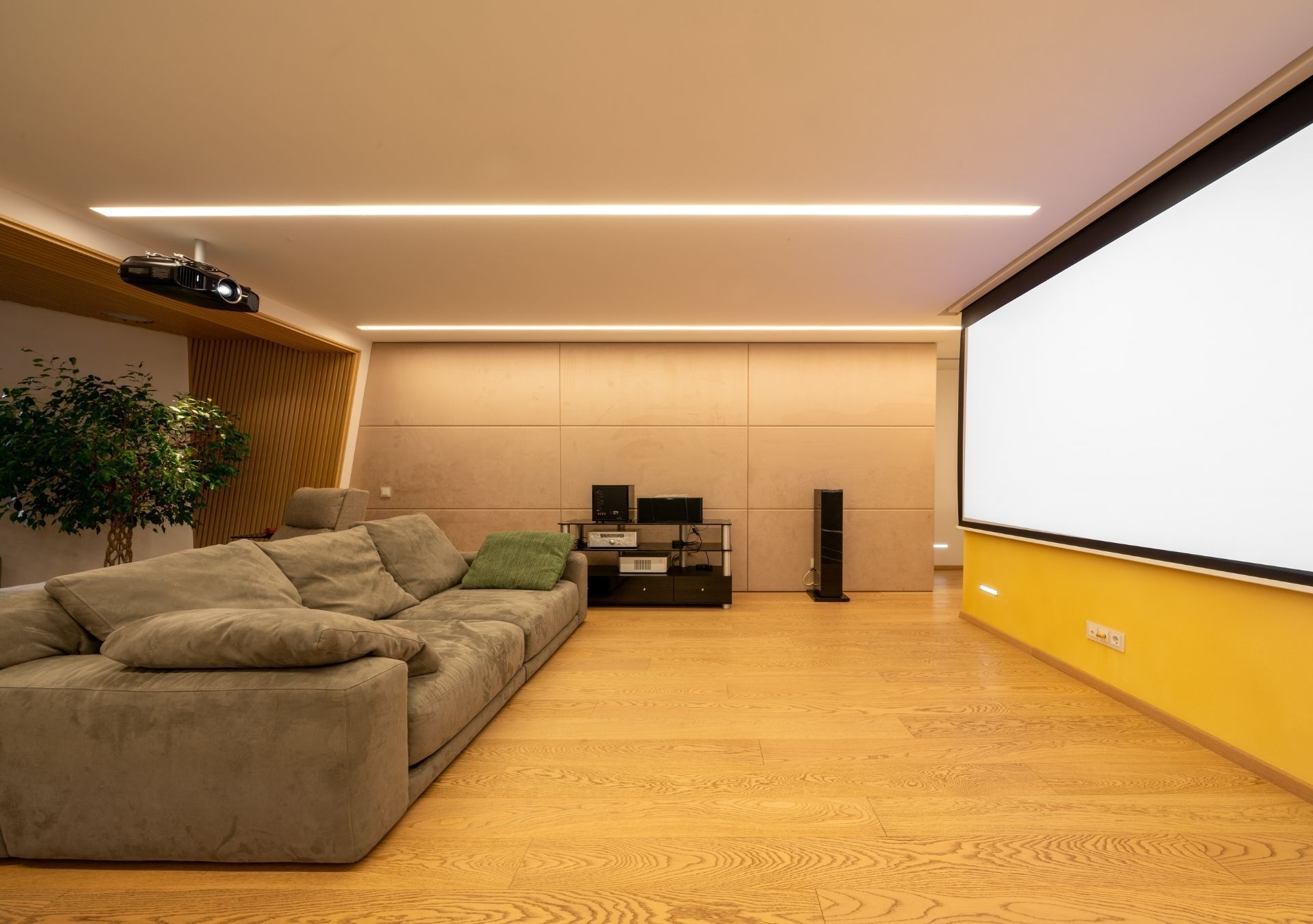
A single cable routed through the wrong wall cavity can trigger a $15,000 repair bill. A client's vintage amplifier damaged during installation might cost you $8,000 to replace. And if a smart home system you installed gets hacked six months later, exposing your client's security cameras to the internet? That lawsuit could threaten your entire business.
Arizona's home theater and AV installation market serves everyone from first-time homeowners wanting basic surround sound to Scottsdale estate owners demanding whole-home automation systems worth six figures. This range of projects creates an equally wide range of risks that generic contractor insurance simply doesn't address. Your work involves expensive client property, complex electrical systems, network connectivity, and installations that must perform flawlessly for years.
This Arizona home theater and AV installer contractor insurance guide breaks down the specific coverage types you need, state requirements you must meet, and strategies for keeping premiums manageable while maintaining real protection. Whether you're a solo installer working out of a van or running a team of technicians across the Phoenix metro area, understanding these insurance fundamentals protects both your livelihood and your clients' investments.
Essential Liability Coverage for Arizona AV Installers
Your liability exposure starts the moment you walk onto a job site and extends well beyond project completion. Three distinct coverage types address different phases of your risk.
General Liability for On-Site Property Damage
General liability insurance covers physical damage you cause to client property during installation work. This includes the obvious scenarios: drilling into a water line, dropping a speaker on hardwood flooring, or scratching custom cabinetry while mounting a display. Arizona courts have awarded damages exceeding $50,000 for incidents involving damaged luxury finishes in high-end homes.
Most carriers require $1 million per occurrence and $2 million aggregate minimums for AV contractors. That said, many upscale residential clients and commercial property managers require $2 million per occurrence before allowing you on-site. Your policy should specifically cover damage to property in your care, custody, and control since standard policies often exclude this.
Professional Liability and Errors & Omissions
Professional liability protects you when your work product fails to meet expectations or contains design flaws. If you specify the wrong amplifier for a room's acoustics, recommend incompatible equipment, or design a system that doesn't deliver promised performance, E&O coverage responds to resulting claims.
One Phoenix installer faced a $35,000 claim after designing a distributed audio system that created feedback loops throughout a restaurant. The equipment worked correctly, but the system design was flawed. General liability wouldn't cover this since no physical damage occurred. Professional liability paid the claim.
Completed Operations Coverage for System Failures
Your installation might work perfectly during testing but fail months later. Completed operations coverage addresses claims arising after you've finished a project and collected final payment. A media room installation that overheats and damages a client's equipment collection, or a motorized shade system that malfunctions and breaks windows during a monsoon, both fall under this coverage.
Arizona's extreme temperature swings stress electronic equipment in ways that milder climates don't. Completed operations coverage typically extends one to two years past project completion, though some policies offer longer terms for additional premium.
Protecting Specialized Equipment and High-Value Inventory
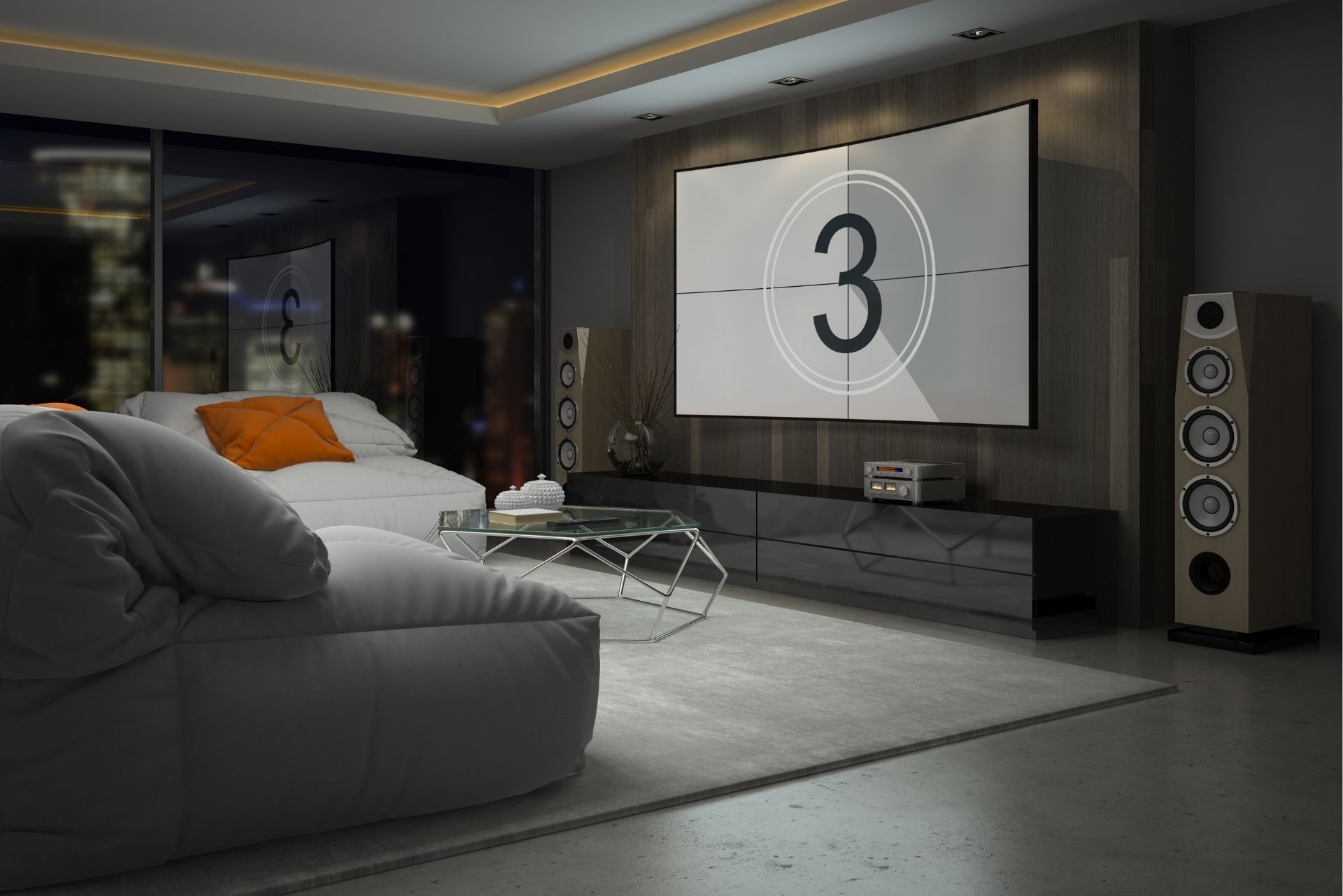
Your tools, testing equipment, and inventory represent significant capital investment. Standard property insurance rarely provides adequate protection for mobile contractors.
Inland Marine Insurance for Tools in Transit
Inland marine coverage protects equipment while it's moving between your shop, job sites, and suppliers. This includes your installation tools, testing equipment, cable spools, and any client equipment temporarily in your possession. A fully equipped AV installation van might carry $40,000 or more in tools and materials.
| Coverage Type | What It Protects | Typical Limits |
|---|---|---|
| Inland Marine | Tools and equipment in transit | $25,000 - $100,000 |
| Installation Floater | Client equipment during installation | Varies by project value |
| Contractor's Equipment | Owned tools and machinery | Replacement cost |
Arizona's vehicle break-in rates, particularly in Phoenix metro parking lots, make this coverage especially relevant. Your policy should cover theft from locked vehicles, though deductibles for vehicle theft often run higher than other covered perils.
Warehouse and Showroom Property Insurance
If you maintain a shop, warehouse, or showroom, commercial property insurance covers your building contents against fire, theft, vandalism, and other covered perils. This includes demonstration equipment, inventory awaiting installation, and completed systems ready for delivery.
Pay attention to coverage for client property stored on your premises. A standard commercial property policy may exclude or limit coverage for property belonging to others. An installation floater or bailee coverage endorsement addresses this gap.
Arizona State Mandates and Regulatory Compliance
Arizona imposes specific insurance requirements on contractors. Non-compliance can result in license suspension, fines, and personal liability exposure.
Workers' Compensation Requirements in AZ
Arizona law requires workers' compensation insurance for all employers, with no minimum employee threshold. Even one part-time helper triggers this requirement. Sole proprietors can exempt themselves by filing with the Industrial Commission, but this exemption doesn't extend to any employees.
Workers' comp rates for AV installation typically fall under classification codes for electrical work or communications equipment installation. Arizona's rates run slightly below the national average, but claims involving ladder falls or repetitive motion injuries can increase your experience modifier significantly.
The catch is that many general contractors and commercial clients verify your workers' comp coverage before allowing you on their job sites. Operating without coverage limits your project opportunities even if you're technically exempt.
Commercial Auto Insurance for Service Fleets
Any vehicle used for business purposes needs commercial auto coverage. This applies whether you own the vehicle, lease it, or reimburse employees for using personal vehicles. Arizona requires minimum liability limits of $25,000 per person and $50,000 per accident, but these minimums provide inadequate protection for business use.
Most AV contractors carry $500,000 to $1 million in commercial auto liability. Your policy should include hired and non-owned auto coverage if employees ever use personal vehicles or you rent vehicles for large equipment deliveries.
Mitigating Risks Unique to Home Theater Integration
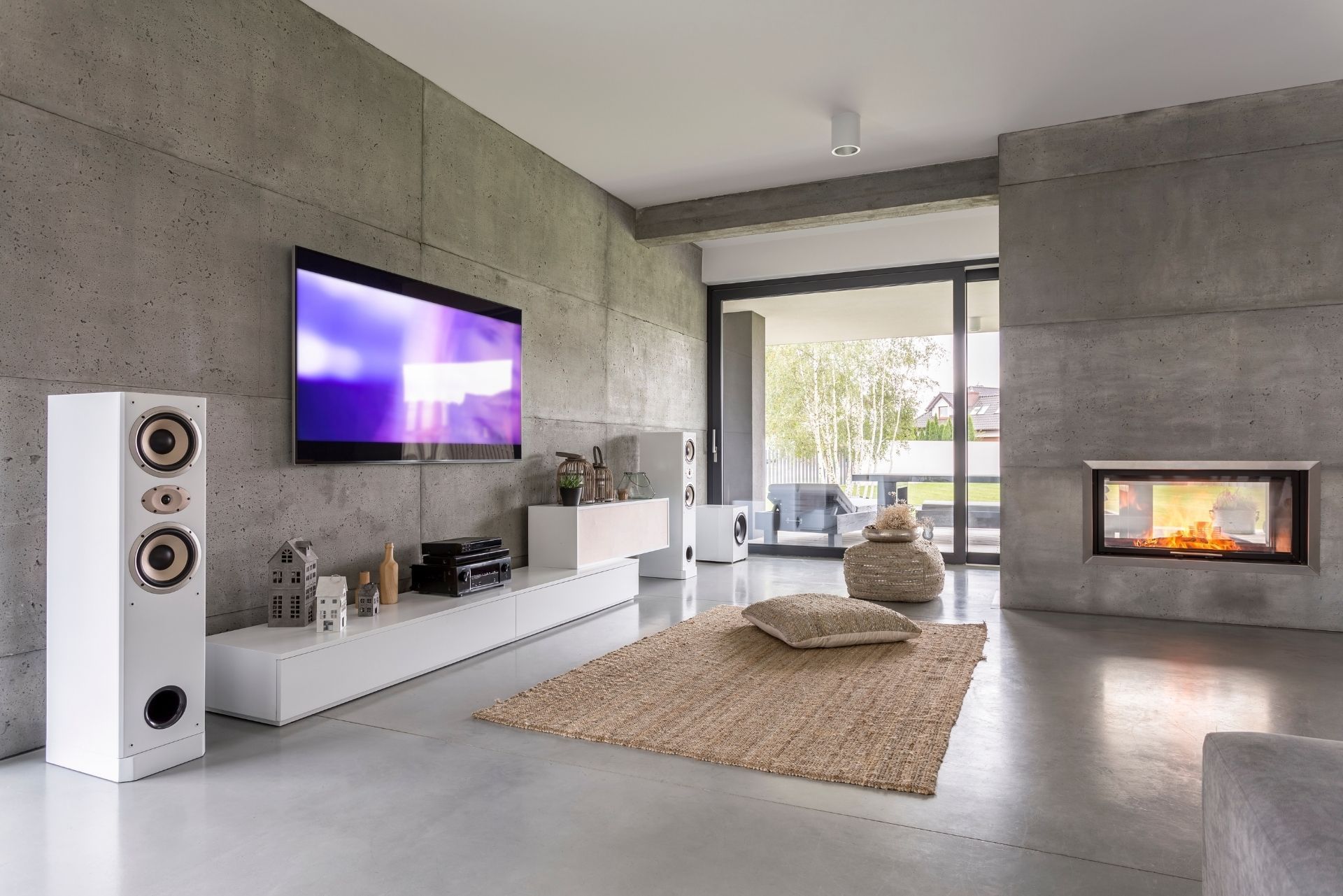
Modern AV installation increasingly involves network connectivity and high-net-worth clients. Both create exposures that traditional contractor insurance wasn't designed to address.
Cyber Liability for Smart Home Connectivity
Every smart home system you install creates potential cyber liability. If a network vulnerability in your installation allows hackers to access client systems, you could face claims for privacy violations, data theft, or even physical security breaches. One Tucson installer faced a claim after a client's security camera system was accessed remotely, with footage posted online.
Cyber liability insurance covers defense costs and settlements for these claims. Policies also typically include breach notification expenses and credit monitoring for affected parties. Coverage limits start around $100,000, though installers working with high-profile clients often carry $1 million or more.
Umbrella Policies for High-Net-Worth Residential Projects
When you're installing a $200,000 home theater in a Paradise Valley estate, your standard liability limits may not provide adequate protection. Umbrella insurance provides additional coverage above your general liability, auto, and employers' liability limits.
A $1 million umbrella policy might cost $1,500 to $2,500 annually, providing meaningful protection against catastrophic claims. Clients with significant assets often pursue larger settlements, and their attorneys are typically more aggressive. The umbrella coverage gives you breathing room.
Insurance costs vary dramatically between carriers and policies. Strategic decisions during the buying process can reduce premiums by 20-30% without sacrificing necessary coverage.
Start by working with a broker who understands contractor insurance specifically. Generalist agents often don't know which carriers offer favorable terms for AV installation work or which policy forms include important coverage extensions.
Request quotes from at least three carriers, comparing not just premium but also:
- Deductible options and how they affect premium
- Coverage territory, especially if you work across state lines
- Claims handling reputation and financial stability ratings
- Available endorsements for your specific risks
Bundling policies with a single carrier often reduces total premium by 10-15%. A business owner's policy combining general liability and property coverage typically costs less than separate policies.
Your loss history matters significantly. Implementing documented safety procedures, requiring certifications for employees, and maintaining clean driving records all contribute to lower premiums over time. Some carriers offer credits for industry certifications or membership in professional associations.
Frequently Asked Questions
Do I need insurance if I'm a sole proprietor with no employees? Yes. General liability protects you from client claims regardless of business structure. You can exempt yourself from workers' comp, but liability coverage remains essential.
How much does AV contractor insurance typically cost in Arizona? Most installers pay $2,500 to $6,000 annually for a basic package including general liability and commercial auto. Adding professional liability, inland marine, and umbrella coverage increases costs to $5,000-$12,000.
Will my general liability policy cover smart home system hacking? Usually not. Cyber liability requires a separate policy or specific endorsement. General liability covers physical damage and bodily injury, not digital breaches or privacy violations.
Can I use personal auto insurance for my work vehicle? Personal auto policies exclude business use. Using personal coverage for work trips voids your protection if you have an accident while working.
What happens if I let my workers' comp coverage lapse? Arizona can suspend your contractor license and impose fines up to $1,000 per employee. You also become personally liable for any workplace injuries during the lapse.
Making the Right Coverage Decisions
Your insurance portfolio should match your actual risk profile, not a generic template. A solo installer doing residential retrofits has different needs than a company handling commercial AV build-outs across Arizona.
Review your coverage annually, especially after adding services, hiring employees, or taking on larger projects. The policy that protected you adequately last year might leave dangerous gaps as your business evolves.
Work with an insurance professional who takes time to understand your operations. The right coverage protects your business, your employees, and your clients while keeping premiums reasonable. That protection lets you focus on what you do best: creating exceptional audio and video experiences for your clients.
About The Author:
Taylor Whatcott
As President of Wilde Wealth Insurance Services, I’m committed to providing trusted protection for both families and businesses across Arizona. Our independent team works with top-rated carriers to deliver tailored, comprehensive coverage—making insurance simple, accessible, and hassle-free.
Contact Us
Commercial Coverage Solutions
Protect Your Business with the Right Insurance
We offer customized insurance solutions to safeguard your business from financial risks. Our policies provide protection for property, employees, and liability concerns.
Commercial Property Insurance
Safeguards buildings, equipment, and inventory from damage or loss.
Professional Liability Insurance
Covers claims of negligence, errors, or omissions in services.
Cyber Liability Insurance
Protects against data breaches, cyberattacks, and online threats.
Who We Protect
Insurance Solutions for Your Industry
We specialize in providing tailored coverage for businesses in key industries. Our policies are designed to meet industry-specific risks and ensure complete protection.


Protection for Your Home & Assets
Reliable Coverage for Life’s Unexpected Moments
We provide personal insurance solutions designed to safeguard your home, vehicle, and financial well-being. Our policies ensure you and your loved ones are protected.







What Our Clients Say
Real Feedback. Real Confidence.
FAQs
Answers to Common Insurance Questions
How do I know which insurance coverage is right for me?
Choosing the right insurance depends on your personal or business needs. Our team evaluates your risks and recommends tailored coverage to protect what matters most.
We work with multiple carriers to provide different policy options. This allows you to compare benefits, limits, and pricing to make an informed choice.
If you’re unsure, we’ll walk you through the options step by step, ensuring you understand your coverage and feel confident in your decision.
Why should I choose an independent insurance agency like Wilde Wealth?
As an independent agency, we are not tied to a single insurance provider. This means we can compare multiple policies to find the best coverage at the best price.
Our goal is to advocate for you, ensuring you receive personalized service and expert advice tailored to your situation.
Unlike direct insurers, we offer ongoing support, helping you with claims, policy changes, and future coverage needs.
Can I bundle multiple insurance policies to save money?
Yes! Bundling policies like home and auto can lead to significant savings. Many carriers offer discounts for combining multiple coverages.
Bundling also simplifies policy management, with a single point of contact and streamlined renewals.
We help you explore bundling options to ensure you get the best value while maintaining the protection you need.
What factors affect my insurance rates?
Insurance rates are influenced by factors such as coverage limits, location, claims history, and risk exposure. Personal insurance may consider credit scores, driving history, and home value.
For businesses, factors like industry type, employee count, and annual revenue can impact pricing. Each carrier evaluates risk differently.
We shop multiple providers to find the best balance of coverage and cost, ensuring you don’t overpay while staying fully protected.
How does Wilde Wealth Insurance Services help business owners?
We provide customized business insurance solutions to protect against liability, property damage, employee-related risks, and cyber threats.
Our team works with a range of industries, including contractors, restaurants, and real estate professionals, to offer tailored policies.
From small startups to established enterprises, we help business owners minimize risks and keep operations running smoothly.
What happens if I need to file a claim?
Filing a claim is simple with our support. Contact us first, and we’ll guide you through the process, ensuring all necessary information is submitted correctly.
We work directly with your insurance carrier to expedite the claim, keeping you informed at every step.
Our team is here to advocate for you, making sure you receive a fair and timely resolution.
Latest Articles & Insights
Stay Informed with Expert Insurance Advice
We provide valuable insights to help you make informed insurance decisions. Explore our latest articles on coverage options, industry trends, and risk management tips.

Contact Us