

Understanding Design-Build Insurance Requirements in Arizona
Design-build contractors in Arizona face a unique challenge: they're responsible for both design and construction under a single contract. This dual role creates overlapping exposures that traditional insurance programs weren't built to handle. A design error that leads to construction defects can trigger both professional liability and general liability claims simultaneously, leaving firms vulnerable to coverage gaps if their policies aren't properly structured.
Arizona's construction market has seen design-build delivery grow significantly over the past decade, particularly in commercial and municipal projects. The state's Registrar of Contractors maintains strict licensing requirements, and project owners increasingly demand comprehensive insurance certificates before awarding contracts. Understanding what coverage you actually need versus what's simply required on paper can save your firm thousands annually while ensuring you're protected when claims arise.
This Arizona design-build firm contractor insurance coverage and cost guide breaks down the specific policies you need, what drives premium costs in the local market, and how to structure your program for maximum protection without overpaying.
The Difference Between Professional and General Liability
Professional liability covers claims arising from your design services: errors in engineering calculations, architectural mistakes, or flawed specifications. General liability covers bodily injury and property damage during construction operations. The critical distinction matters because standard general liability policies exclude professional services, and professional liability policies exclude construction operations.
Design-build firms need both coverages coordinated to avoid gaps. A common scenario: your engineer specifies the wrong foundation depth, and the resulting settlement damages an adjacent property. The neighbor's claim could implicate both your design error and your construction activities. Without proper policy coordination, each insurer might point to the other's coverage.
Arizona Registrar of Contractors (ROC) Bond Mandates
Arizona requires all licensed contractors to maintain a
surety bond with the ROC. Bond amounts vary by license classification:
| License Type | Minimum Bond Amount |
|---|---|
| Residential General | $15,000 |
| Commercial General | $15,000 |
| Specialty Residential | $5,000 |
| Specialty Commercial | $7,500 |
| Dual License | $20,000 |
These bonds protect consumers from contractor fraud or abandonment but don't replace liability insurance. Many design-build firms hold multiple license classifications, requiring separate bonds for each. The ROC can increase bond requirements based on complaint history or financial instability.

Core Coverage Components for Arizona Design-Build Firms
Building a comprehensive insurance program requires layering multiple policies that work together. The core components include professional liability, general liability, pollution coverage, and protective indemnity. Each addresses specific exposures inherent to design-build delivery.
Professional Liability and E&O for Design Errors
Professional liability insurance, sometimes called errors and omissions coverage, responds to claims alleging negligent design services. Policies typically cover defense costs, settlements, and judgments arising from design mistakes, omissions in specifications, or failure to meet professional standards of care.
Arizona courts apply a "reasonable professional" standard when evaluating design negligence claims. Your coverage should match the types of services you perform: structural engineering, architectural design, MEP systems, or civil work. Most carriers offer coverage on a claims-made basis, meaning the policy in force when you report the claim responds, regardless of when the error occurred. This creates tail coverage considerations when changing insurers or retiring from practice.
Pollution Liability and Environmental Risks
Standard general liability policies exclude pollution events, creating significant exposure for design-build contractors. Arizona's desert environment presents specific contamination risks: disturbing naturally occurring asbestos in soil, releasing dust containing valley fever spores, or encountering legacy contamination on redevelopment sites.
Contractor's pollution liability covers third-party claims arising from pollution conditions your operations create or disturb. Policies can include coverage for transportation of materials, non-owned disposal sites, and completed operations pollution. Premium costs vary dramatically based on the types of projects you undertake and your environmental risk management protocols.
Protective Indemnity and Rectification Coverage
Protective indemnity coverage addresses a gap in traditional professional liability: the cost to repair or replace defective work when no third-party claim exists. Standard professional liability requires a claim from someone outside your firm. If you discover your own design error before it causes damage to others, you're often uninsured for correction costs.
Rectification coverage, sometimes called mitigation coverage, pays to fix your mistakes before they become larger claims. This proactive approach can prevent small errors from becoming catastrophic failures. Arizona's extreme heat creates particular urgency for addressing design defects in
HVAC systems or building envelope specifications before summer temperatures expose the problems.
Factors Influencing Insurance Costs in the Arizona Market
Premium calculations for design-build coverage involve multiple variables. Understanding what drives costs helps you manage expenses and present your firm favorably to underwriters.
Project Type and Annual Revenue Impact
Insurers evaluate risk based on the types of projects you undertake and your overall revenue. Residential work typically carries lower professional liability rates than commercial or infrastructure projects. Healthcare, educational facilities, and public works projects command higher premiums due to increased scrutiny and longer exposure periods.
Annual revenue serves as the primary rating basis for most policies. A firm with $5 million in revenue pays more than one with $2 million, assuming similar project types. The catch is that underwriters also examine your project mix: a $5 million firm doing straightforward commercial tenant improvements presents less risk than a $2 million firm designing complex structural modifications.
Claims History and Risk Management Protocols
Your loss history significantly impacts pricing. Firms with clean records over five or more years qualify for preferred rates. A single significant claim can increase premiums by 25% to 50% or trigger non-renewal.
Underwriters also evaluate your internal risk management practices. Documented QA/QC procedures, peer review processes, and contract review protocols demonstrate professionalism. Some carriers offer premium credits for firms that implement specific risk management programs or maintain professional certifications.

Arizona's legal environment and climate create distinct considerations for design-build insurance programs. Understanding these factors helps you select appropriate coverage limits and policy terms.
Statute of Repose and Limitations in Arizona
Arizona's statute of repose limits the time period during which construction defect claims can be filed. For most construction projects, claims must be brought within eight years of substantial completion. Professional negligence claims face a two-year statute of limitations from discovery of the defect, but still fall within the eight-year repose period.
These timelines directly impact your insurance needs. Claims-made professional liability policies require you to maintain coverage throughout the exposure period. If you complete a project today, you need continuous coverage for up to eight years to ensure protection against late-emerging claims. Tail coverage, also called extended reporting period coverage, becomes essential when changing insurers or winding down operations.
Climate-Related Risks: Heat, Dust, and Monsoon Coverage
Arizona's climate creates specific design challenges that generate claims. Summer temperatures exceeding 115°F stress HVAC systems, roofing materials, and building envelopes. Design specifications that work in temperate climates often fail in the Phoenix metro area.
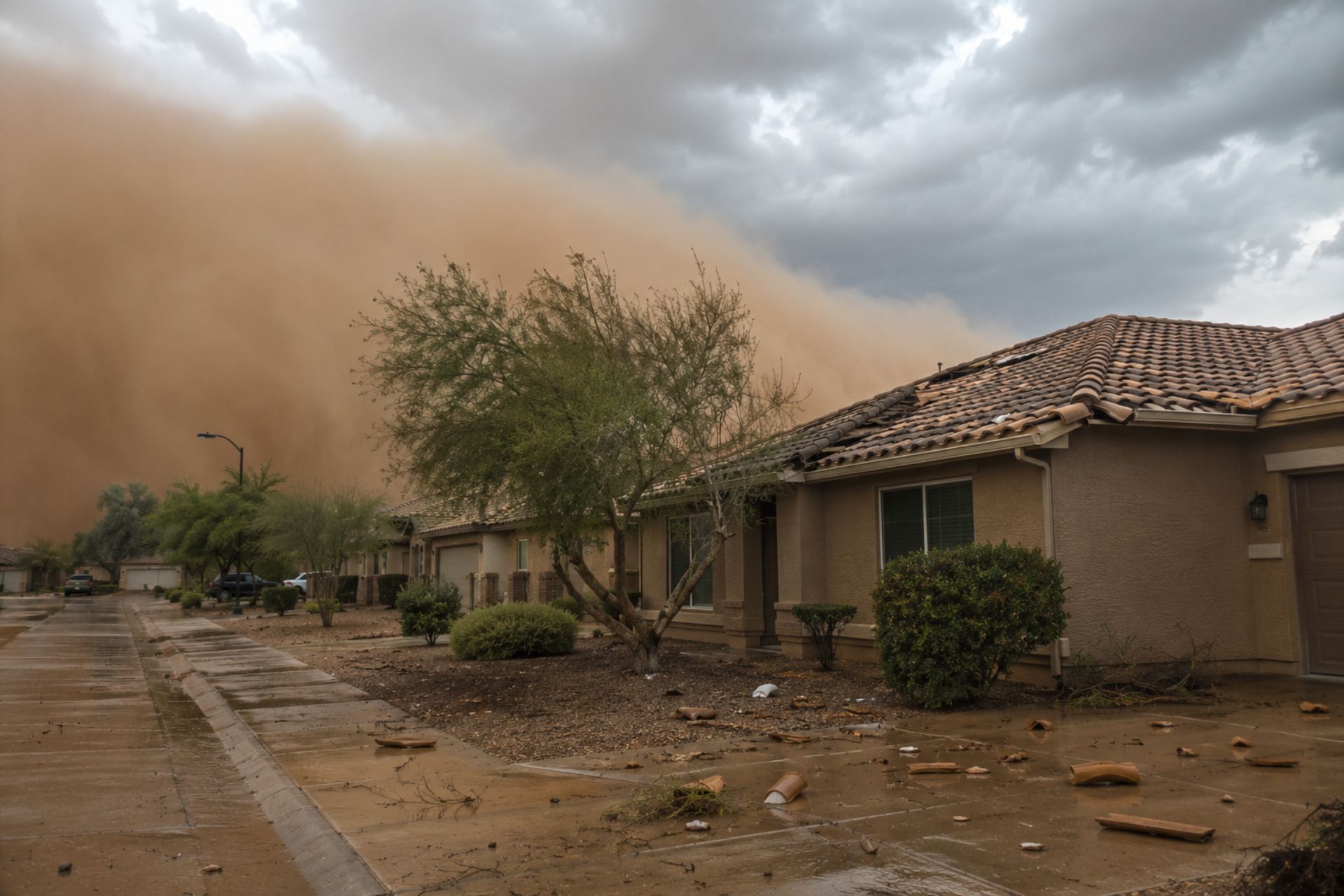
Monsoon season brings intense rainfall and dust storms. Drainage design errors become apparent quickly when flash floods overwhelm inadequate systems. Dust infiltration damages building interiors when envelope specifications don't account for haboob conditions. Your professional liability policy should cover claims arising from these climate-specific design failures.
How to Select and Optimize Your Design-Build Policy
Structuring your insurance program requires balancing coverage adequacy against premium costs. Several strategic decisions impact both protection and expenses.
Comparing Project-Specific vs. Practice Policies
Project-specific policies cover a single project from start to finish, including an extended reporting period. Practice policies cover all projects your firm undertakes during the policy period. Each approach has advantages:
| Factor | Project-Specific | Practice Policy |
|---|---|---|
| Cost predictability | Higher per-project | Annual premium |
| Coverage continuity | Guaranteed for project | Requires renewal |
| Limit availability | Dedicated to project | Shared across all work |
| Administrative burden | Policy per project | Single annual renewal |
| Best for | Large single projects | Ongoing operations |
Most design-build firms maintain practice policies for routine work while purchasing project-specific coverage for unusually large or complex projects that might exhaust shared limits.
Strategies for Reducing Premiums and Managing Deductibles
Higher deductibles reduce premiums but increase your out-of-pocket exposure. A $25,000 deductible might save 15% compared to a $10,000 deductible. Evaluate whether the premium savings justify the additional risk retention.
Bundling coverages with a single carrier often produces discounts. An insurer providing both your general liability and professional liability understands your full risk profile and can price accordingly. That said, don't sacrifice coverage quality for bundling discounts.
Frequently Asked Questions
How much does professional liability insurance cost for Arizona design-build firms? Expect to pay between $15,000 and $45,000 annually for $1 million in coverage, depending on your revenue, project types, and claims history. Larger firms or those doing complex work pay more.
Do I need separate policies for design and construction liability? Yes. General liability excludes professional services, and professional liability excludes construction operations. Both policies must be coordinated to avoid coverage gaps.
What happens if I switch insurance carriers mid-project? Claims-made policies require continuous coverage. Your new carrier may not cover claims arising from work performed under the prior policy unless you purchase prior acts coverage or maintain tail coverage from the old carrier.
Does my ROC bond replace liability insurance? No. The bond protects consumers from contractor misconduct but doesn't cover liability claims. You need both the required bond and appropriate liability insurance.
How long should I maintain coverage after completing a project? Arizona's eight-year statute of repose means claims can arise years after completion. Maintain coverage or purchase tail coverage for at least eight years after your last project.
Making the Right Coverage Decision
Selecting insurance for your Arizona design-build firm requires understanding both your specific exposures and the local market conditions that influence pricing. The right program balances comprehensive protection against reasonable costs while meeting project owner requirements and ROC mandates.
Start by documenting your project types, revenue, and risk management practices. This information helps brokers present your firm accurately to underwriters. Request quotes from multiple carriers specializing in design-build coverage rather than general commercial insurers unfamiliar with your unique exposures.
Review policy terms carefully, paying particular attention to coverage triggers, exclusions, and deductible structures. The cheapest premium rarely represents the best value if coverage gaps leave you exposed when claims arise.
About The Author:
Taylor Whatcott
As President of Wilde Wealth Insurance Services, I’m committed to providing trusted protection for both families and businesses across Arizona. Our independent team works with top-rated carriers to deliver tailored, comprehensive coverage—making insurance simple, accessible, and hassle-free.
Contact Us
Commercial Coverage Solutions
Protect Your Business with the Right Insurance
We offer customized insurance solutions to safeguard your business from financial risks. Our policies provide protection for property, employees, and liability concerns.
Commercial Property Insurance
Safeguards buildings, equipment, and inventory from damage or loss.
Professional Liability Insurance
Covers claims of negligence, errors, or omissions in services.
Cyber Liability Insurance
Protects against data breaches, cyberattacks, and online threats.
Who We Protect
Insurance Solutions for Your Industry
We specialize in providing tailored coverage for businesses in key industries. Our policies are designed to meet industry-specific risks and ensure complete protection.




Protection for Your Home & Assets
Reliable Coverage for Life’s Unexpected Moments
We provide personal insurance solutions designed to safeguard your home, vehicle, and financial well-being. Our policies ensure you and your loved ones are protected.







What Our Clients Say
Real Feedback. Real Confidence.
FAQs
Answers to Common Insurance Questions
How do I know which insurance coverage is right for me?
Choosing the right insurance depends on your personal or business needs. Our team evaluates your risks and recommends tailored coverage to protect what matters most.
We work with multiple carriers to provide different policy options. This allows you to compare benefits, limits, and pricing to make an informed choice.
If you’re unsure, we’ll walk you through the options step by step, ensuring you understand your coverage and feel confident in your decision.
Why should I choose an independent insurance agency like Wilde Wealth?
As an independent agency, we are not tied to a single insurance provider. This means we can compare multiple policies to find the best coverage at the best price.
Our goal is to advocate for you, ensuring you receive personalized service and expert advice tailored to your situation.
Unlike direct insurers, we offer ongoing support, helping you with claims, policy changes, and future coverage needs.
Can I bundle multiple insurance policies to save money?
Yes! Bundling policies like home and auto can lead to significant savings. Many carriers offer discounts for combining multiple coverages.
Bundling also simplifies policy management, with a single point of contact and streamlined renewals.
We help you explore bundling options to ensure you get the best value while maintaining the protection you need.
What factors affect my insurance rates?
Insurance rates are influenced by factors such as coverage limits, location, claims history, and risk exposure. Personal insurance may consider credit scores, driving history, and home value.
For businesses, factors like industry type, employee count, and annual revenue can impact pricing. Each carrier evaluates risk differently.
We shop multiple providers to find the best balance of coverage and cost, ensuring you don’t overpay while staying fully protected.
How does Wilde Wealth Insurance Services help business owners?
We provide customized business insurance solutions to protect against liability, property damage, employee-related risks, and cyber threats.
Our team works with a range of industries, including contractors, restaurants, and real estate professionals, to offer tailored policies.
From small startups to established enterprises, we help business owners minimize risks and keep operations running smoothly.
What happens if I need to file a claim?
Filing a claim is simple with our support. Contact us first, and we’ll guide you through the process, ensuring all necessary information is submitted correctly.
We work directly with your insurance carrier to expedite the claim, keeping you informed at every step.
Our team is here to advocate for you, making sure you receive a fair and timely resolution.
Latest Articles & Insights
Stay Informed with Expert Insurance Advice
We provide valuable insights to help you make informed insurance decisions. Explore our latest articles on coverage options, industry trends, and risk management tips.

Contact Us