
Arizona Theater & Stage Electrician Insurance
See How We're Different:
or Call Us:(480) 526-3222
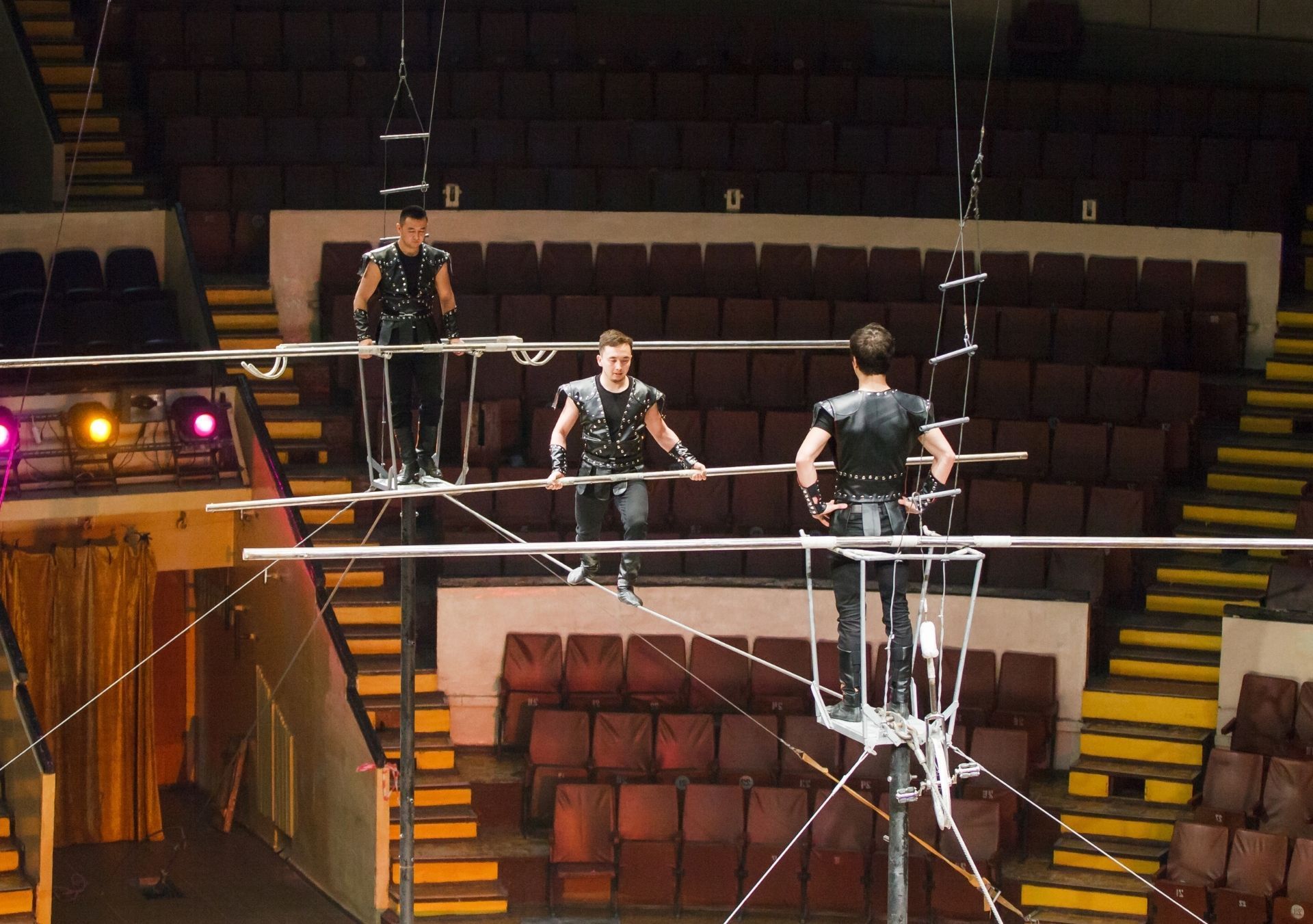
One overloaded dimmer pack or a loose fixture above the stage can shut down a show, damage a venue, or injure a performer in seconds. In Arizona, theater and stage electricians sit inside a broader
commercial electrical market that is projected to reach a market size of about
5.5 billion dollars by 2025, which means more productions, more power-intensive shows, and more exposure to risk for everyone who handles cables, truss, and lighting controls.
The unique risk profile of Arizona theater and stage electricians
Theater work often looks glamorous from the audience. Behind the curtain it is ladders, scissor lifts, hot fixtures, and time pressure. Arizona adds its own twist to that picture, with heat, rapid growth in commercial spaces, and a mix of old and new venues that can create unusual electrical challenges during load in and strike.
Extreme heat is one of the biggest differences between Arizona and many other theater markets. In Phoenix, for example, one report noted 113 consecutive days in 2024 with temperatures over 100 degrees Fahrenheit, conditions that stress electrical systems, HVAC units, roofing, and building envelopes. For a stage electrician, that can mean overheated dimmer racks, brittle cabling, and more risk of power failures that damage gear or interrupt shows.
Many Arizona theaters operate in retrofitted warehouses, churches, schools, or mixed use spaces. Some of these buildings were not originally designed for large lighting rigs or high draw sound systems. Temporary power distribution, tie ins at panels that were never intended for show lighting, and tight backstage spaces all increase the chance of property damage or bodily injury if something goes wrong. Insurance for theater and stage electricians needs to reflect that blend of technical exposure and real human risk.

Essential insurance coverages for stage electricians and production companies
Every production is different, but the core insurance needs for theater and stage electricians tend to fall into familiar buckets. The right mix depends on whether work is freelance, through a small production company, or as part of a larger venue operation. What follows is an overview of the policies most crews rely on to keep their work, gear, and people protected.
General liability insurance
General liability is usually the starting point for any stage electrician or production company. It is the policy that responds if a light falls and injures an audience member, if a haze machine leaks fluid onto a polished floor and a dancer slips, or if a temporary cable run damages an ornate lobby finish. Venues and promoters commonly require proof of general liability before they will sign a contract.
In practice, this coverage addresses three main categories of claims. First, bodily injury to third parties such as patrons, visiting artists, or venue staff. Second, property damage to a space that does not belong to the electrician, from scorched curtains to damaged seating. Third, personal and advertising injury, which can include certain claims tied to marketing or reputation. Limits need to be high enough to satisfy venue contracts and to keep a bad accident from turning into a business ending lawsuit.
For electricians who design or consult on power distribution and lighting plots, it is worth asking about professional liability in addition to general liability. If a design flaw leads to a fire or a show shutdown, that sort of mistake is not always fully picked up by a standard general liability policy unless professional coverage is specifically included.
Workers compensation and protecting your crew
Stage work is physical. Lifting truss, hauling cases up ramps, working from ladders, and running cable through cramped catwalks all take a toll. When someone on the crew gets hurt in the course of employment, workers compensation is usually the policy that responds, paying for medical care and a portion of lost wages.
Arizona has seen how serious job site risks can be across the broader construction and trades world. One review of state data noted that the construction industry recorded 26 fatalities in 2023, a reminder that falls, electrical exposure, and equipment incidents can have life changing consequences. Even though not every theater job involves structural construction, many of the same hazards exist when crews climb, rig, and handle power.
Across all industries in Arizona, there were an estimated 55,900 workplace injuries reported in 2023. That broader figure highlights why state regulators and insurers both treat worker safety and workers comp coverage as non negotiable pieces of any serious operation. For a stage electrician who hires even a small crew, having a properly structured workers compensation policy can be the difference between a manageable claim and a lawsuit that pierces personal assets.
Good workers compensation coverage also helps with crew retention. When technicians know their medical bills and partial wages will be addressed if something goes wrong, they are more likely to stay loyal to a company and more willing to speak up about hazards instead of hiding injuries.
Commercial property and equipment coverage
Lighting consoles, intelligent fixtures, dimmer racks, distro, and power cables add up quickly. It is common for a modest theater rig or touring package to be worth more than the vehicle that tows it. Commercial property coverage is how a business protects its owned gear against events like fire, theft, or certain types of water damage while that equipment is at a scheduled location.
The trick for stage electricians is that gear rarely stays put. A console might live at a home office between gigs, move to a rehearsal studio, then travel to a theater for tech week. Standard property policies are often written for equipment that stays at a single insured location. To keep mobile gear protected, many electricians use inland marine or a specialized equipment floater, which can follow the property across venues and even out of state, depending on how the policy is written.
Another area to watch is the distinction between replacement cost and actual cash value. Replacement cost aims to pay what it would take to buy comparable new gear, which is important for items like moving lights and LED fixtures that may depreciate quickly but remain essential for shows. Insuring at actual cash value can leave a painful gap if a years old rig is destroyed and the payout does not cover what is needed to stay competitive.
Commercial auto, hired and non owned, and transit risks
Most stage electricians rely on vans, box trucks, or personal pickups to move equipment. When a vehicle is used for business, personal auto coverage often stops short of fully protecting the driver or the company. Commercial auto policies can be tailored for vehicles owned by the business, while hired and non owned auto coverage helps when crews rent trucks or use personal vehicles for production tasks.
Transit is another overlooked exposure. If thousands of dollars of lighting gear are stolen from a truck overnight or damaged in a collision, the loss may not be fully covered under the auto policy alone. Inland marine or equipment coverage that includes transit can fill that gap, especially for touring productions or companies that regularly shuttle gear between venues.
For independent electricians who do not own large vehicles, it is still smart to talk with an insurance professional about hired and non owned auto coverage. Even a single at fault accident after a late night load out could pull a business into litigation if there is no clear coverage for the driving that was done on company time.
How Arizona market conditions affect your insurance costs
Theater and stage electricians in Arizona do not operate in a vacuum. Broader trends in the state economy, construction, and insurance markets all play into what you pay for coverage and how underwriters view your risk.
One factor is simple growth. As mentioned earlier, Arizona’s commercial electrical sector as a whole is projected to reach about 5.5 billion dollars in market size by 2025, which signals strong demand for electrical work across commercial buildings, entertainment venues, and event spaces. Growth brings opportunity, but it also tends to attract more claims, more complex projects, and tighter requirements from landlords, promoters, and municipalities that want to see specific insurance limits and endorsements before they approve events.
Another trend is the cost of insurance itself. Many Arizona property owners and contractors have watched premiums climb as severe weather, heat stress on buildings, and national loss trends put pressure on insurers. Some observers have pointed out that homeowner premiums in the state have risen noticeably in recent years, which is one sign that carriers are recalibrating how they price local hazard exposure. Even though theater and stage electricians buy commercial policies, those same risk models often influence how underwriters look at performance venues and production work.
State policy choices can play a quieter but important role too. One study estimated that if Arizona’s right to work law were repealed, the state could see employment drop by about 3.9 percent and real GDP fall by around 4.0 percent by 2033, and that a separate mandatory family leave program in a nearby state was forecast to cost roughly 1.3 billion dollars per year. Those kinds of shifts, if they were to occur locally, could influence wages, payroll taxes, and the overall cost structure for production companies, which eventually feeds into workers compensation rates and the affordability of crew heavy shows.
For stage electricians, the takeaway is that insurance pricing is not only about personal claims history. It is also about the broader environment in which you work. Keeping clean operations, investing in safety, and documenting risk management efforts can help position your business more favorably when statewide loss trends or policy decisions push prices upward.

Designing a coverage strategy for different types of stage work
No two theater careers look exactly the same. Some electricians primarily hang and focus lights in a single performing arts center. Others bounce between community theaters, corporate events, and touring shows. Coverage needs shift depending on how work is structured and where responsibility begins and ends.
Freelance stage electricians who operate as sole proprietors may start with a modest general liability policy in their own name, plus tools and equipment coverage for personal gear. If they occasionally hire extra hands, they might add a small workers compensation policy or contract only with venues and production companies that put those helpers on their own payroll. Contract language is critical here, since courts often look at written agreements to decide who is responsible when someone gets hurt.
Small production companies that own rigs and maintain crews have a more complex picture. They usually need general liability, workers compensation, commercial property or inland marine for the gear, commercial auto, and often umbrella coverage to extend limits over all of the above. Some will also carry employment practices liability to address claims tied to hiring, firing, or harassment, particularly when they staff long running shows with rotating crews.
Touring productions and out of state work
Touring introduces its own set of insurance questions. When productions travel out of Arizona, workers compensation coverage has to be written to respond in each state where employees will work, and auto and equipment coverage need to follow the show. Venue contracts on the road may demand different liability limits or endorsements than those commonly seen at home.
It is worth mapping the tour in advance with an insurance professional, listing states, border crossings, and the mix of owned versus rented vehicles and gear. That planning helps avoid gaps where, for example, an equipment floater protects the lighting rig but only within a certain radius of a home base, even though the show is scheduled to visit multiple distant cities.
Key coverages at a glance
For quick comparison, here is how several core policies line up for typical stage electrician exposures.
| Coverage type | What it generally protects | Why it matters for theater & stage electricians |
|---|---|---|
| General liability | Third party bodily injury and property damage claims | Responds if a lighting fixture falls, a cable trip hazard injures a patron, or a production damages a rented venue |
| Workers compensation | Employee medical costs and partial lost wages after work related injuries | Addresses injuries from falls, strains, electrical exposure, or rigging accidents involving crew members |
| Commercial property / equipment floater | Owned gear such as consoles, fixtures, truss, and distro | Helps pay to repair or replace show critical equipment after covered losses like fire, theft, or certain types of water damage |
| Commercial auto / hired and non owned auto | Liability and sometimes physical damage for vehicles used in the business ial auto | Protects the company when trucks, vans, or personal vehicles used for work are involved in accidents |
| Umbrella / excess liability | Additional liability limits above primary policies | Provides extra protection if a severe injury or large property loss exhausts underlying policy limits |
This table is a starting point, not a full menu. Some operations will also benefit from cyber liability, event cancellation, inland marine for rented gear, or specialized coverages tailored to specific venues or production styles.
Risk management tips that support better insurance outcomes
Insurance is vital, but every claim still disrupts work, strains relationships with venues, and can push premiums higher over time. A few focused risk management habits can make life easier on both the safety and cost fronts for theater and stage electricians.
First, lock in consistent safety procedures for work at height. That includes fall protection policies for grid and catwalk work, ladder and lift training, and clear rules about who is authorized to climb, rig, or operate powered access equipment. Documenting this training and enforcing it on every show signals to insurers that safety is taken seriously, not just posted on a wall.
Second, standardize how power is tied in and out at each venue. Use checklists for de energizing panels, labeling circuits, verifying grounding, and confirming load calculations before shows. When possible, photograph panel setups and keep notes for each location so that repeat visits are smoother and less prone to improvisation under pressure.
Third, pay close attention to cable management and housekeeping. Many liability claims in performance spaces come from trip and fall incidents that could have been prevented with cable ramps, better routing, or improved backstage lighting. Making neat cable runs and secure terminations standard practice reduces hazards and presents a more professional face to clients and inspectors.
Finally, maintain a clear inventory and condition log for all gear. Note serial numbers, purchase dates, repairs, and current locations. This documentation is invaluable when filing a property claim and also helps catch failing connectors, frayed cables, or fixtures that need service before they cause failures during shows.
Frequently asked questions about Arizona theater & stage electrician insurance
Do I need my own insurance if I am a freelance stage electrician?
Usually yes. Even if a venue or production company has its own coverage, you can still be named in a lawsuit if something goes wrong on a show where you worked. A personal general liability policy, and coverage for your own gear, helps protect you when contracts or lawyers point fingers after an incident.
Are my tools and lighting fixtures covered by the venue’s insurance?
Not reliably. Venue policies are written to protect the building owner first, and they may not extend to visiting electricians’ or production companies’ equipment. Unless your contract clearly states that the venue will cover your property, you should assume you need your own equipment coverage.
What insurance do I need if I occasionally hire a couple of extra techs?
If you are directing their work and paying them, you may be treated as an employer, which often means workers compensation requirements apply. Even if the law is not crystal clear in your situation, having workers compensation in place can prevent expensive disputes if someone gets hurt while working under your supervision.
Will my personal auto policy cover me when I haul gear to a show?
Personal auto carriers are often uncomfortable with regular business use, especially if you tow trailers, carry heavy loads, or have employees driving. Commercial auto or hired and non owned auto coverage is usually a better fit and is more likely to respond if a crash happens on the way to a load in or load out.
How do extreme Arizona temperatures affect my insurance needs?
Heat can increase the risk of equipment failure, roof and HVAC damage, and even fire in or around venues. Since some of Arizona’s hottest cities have seen long stretches of days above 100 degrees, insurers are more focused on how clients maintain electrical systems and heat sensitive gear, and they may ask more underwriting questions or set specific conditions for coverage.
Can one policy cover both my theater work and corporate events?
Often yes, as long as the insurer understands the full scope of what you do. When you apply or renew, be clear about the kinds of venues you work in, the size of events you support, and whether you handle design, rigging, or just power and basic lighting. That transparency helps avoid claim disputes later.
Final thoughts for Arizona stage electricians
Theater and stage electricians help bring stories, concerts, and events to life, yet their work sits at the intersection of construction style hazards, live performance pressure, and Arizona’s distinctive climate. As the state’s building and mechanical sectors continue to grow, with one report projecting that heating and air conditioning equipment manufacturing could reach a market size of roughly 462.4 million dollars by 2025, demand for power hungry, comfort focused venues is likely to keep climbing, which adds complexity and opportunity for everyone working behind the scenes.
The right insurance program will not turn a bad day into a good one, but it can keep a dropped fixture, a backstage fall, or a stolen console from ending a career or shutting down a company. Pairing solid coverage with thoughtful safety practices and clear contracts gives Arizona theater and stage electricians a practical foundation to keep doing what they do best, show after show, season after season.
About The Author:
Taylor Whatcott
As President of Wilde Wealth Insurance Services, I’m committed to providing trusted protection for both families and businesses across Arizona. Our independent team works with top-rated carriers to deliver tailored, comprehensive coverage—making insurance simple, accessible, and hassle-free.
Contact Us
Commercial Coverage Solutions
Protect Your Business with the Right Insurance
We offer customized insurance solutions to safeguard your business from financial risks. Our policies provide protection for property, employees, and liability concerns.
Commercial Property Insurance
Safeguards buildings, equipment, and inventory from damage or loss.
Professional Liability Insurance
Covers claims of negligence, errors, or omissions in services.
Cyber Liability Insurance
Protects against data breaches, cyberattacks, and online threats.
Who We Protect
Insurance Solutions for Your Industry
We specialize in providing tailored coverage for businesses in key industries. Our policies are designed to meet industry-specific risks and ensure complete protection.


Protection for Your Home & Assets
Reliable Coverage for Life’s Unexpected Moments
We provide personal insurance solutions designed to safeguard your home, vehicle, and financial well-being. Our policies ensure you and your loved ones are protected.







What Our Clients Say
Real Feedback. Real Confidence.
FAQs
Answers to Common Insurance Questions
How do I know which insurance coverage is right for me?
Choosing the right insurance depends on your personal or business needs. Our team evaluates your risks and recommends tailored coverage to protect what matters most.
We work with multiple carriers to provide different policy options. This allows you to compare benefits, limits, and pricing to make an informed choice.
If you’re unsure, we’ll walk you through the options step by step, ensuring you understand your coverage and feel confident in your decision.
Why should I choose an independent insurance agency like Wilde Wealth?
As an independent agency, we are not tied to a single insurance provider. This means we can compare multiple policies to find the best coverage at the best price.
Our goal is to advocate for you, ensuring you receive personalized service and expert advice tailored to your situation.
Unlike direct insurers, we offer ongoing support, helping you with claims, policy changes, and future coverage needs.
Can I bundle multiple insurance policies to save money?
Yes! Bundling policies like home and auto can lead to significant savings. Many carriers offer discounts for combining multiple coverages.
Bundling also simplifies policy management, with a single point of contact and streamlined renewals.
We help you explore bundling options to ensure you get the best value while maintaining the protection you need.
What factors affect my insurance rates?
Insurance rates are influenced by factors such as coverage limits, location, claims history, and risk exposure. Personal insurance may consider credit scores, driving history, and home value.
For businesses, factors like industry type, employee count, and annual revenue can impact pricing. Each carrier evaluates risk differently.
We shop multiple providers to find the best balance of coverage and cost, ensuring you don’t overpay while staying fully protected.
How does Wilde Wealth Insurance Services help business owners?
We provide customized business insurance solutions to protect against liability, property damage, employee-related risks, and cyber threats.
Our team works with a range of industries, including contractors, restaurants, and real estate professionals, to offer tailored policies.
From small startups to established enterprises, we help business owners minimize risks and keep operations running smoothly.
What happens if I need to file a claim?
Filing a claim is simple with our support. Contact us first, and we’ll guide you through the process, ensuring all necessary information is submitted correctly.
We work directly with your insurance carrier to expedite the claim, keeping you informed at every step.
Our team is here to advocate for you, making sure you receive a fair and timely resolution.
Latest Articles & Insights
Stay Informed with Expert Insurance Advice
We provide valuable insights to help you make informed insurance decisions. Explore our latest articles on coverage options, industry trends, and risk management tips.

Contact Us