
Arizona Railway Electrician Insurance
See How We're Different:
or Call Us:(480) 526-3222

Before the first train leaves the yard, railway electricians in Arizona are already at work around high voltage, moving equipment and unforgiving steel. A single mistake near a live catenary line or a misstep beside a track can change a life and shut down an entire operation. Arizona employers felt the cost of workplace risk recently, with private industry logging 69,500 nonfatal workplace injuries and illnesses and a total recordable cases rate of 3.1 per full time equivalent worker, higher than the national rate of 2.7 according to the U.S. Bureau of Labor Statistics.
Railway electrical work sits at the crossroads of several high risk exposures. It mixes construction style hazards, transportation risk, confined spaces and live rail traffic. Fatal work injuries in Arizona reached 103 in a recent year, and transportation incidents alone accounted for 38 of those cases, or 37 percent of all fatal workplace injuries in the state, based on data from the Bureau of Labor Statistics. Those numbers underline how quickly something routine on or near the tracks can escalate into a severe claim.
Insurance for a railway electrician in Arizona is not just another box to tick for a contract. Done right, it is a financial safety net for employees, a shield for the company on tough legal days and a way to keep projects moving after a loss instead of watching them stall out. This guide walks through the essential coverage types, the trends shaping costs in Arizona and practical steps to build a protection plan that fits the real risks of rail work rather than a generic trade profile.
Why Railway Electricians In Arizona Face Unique Risks
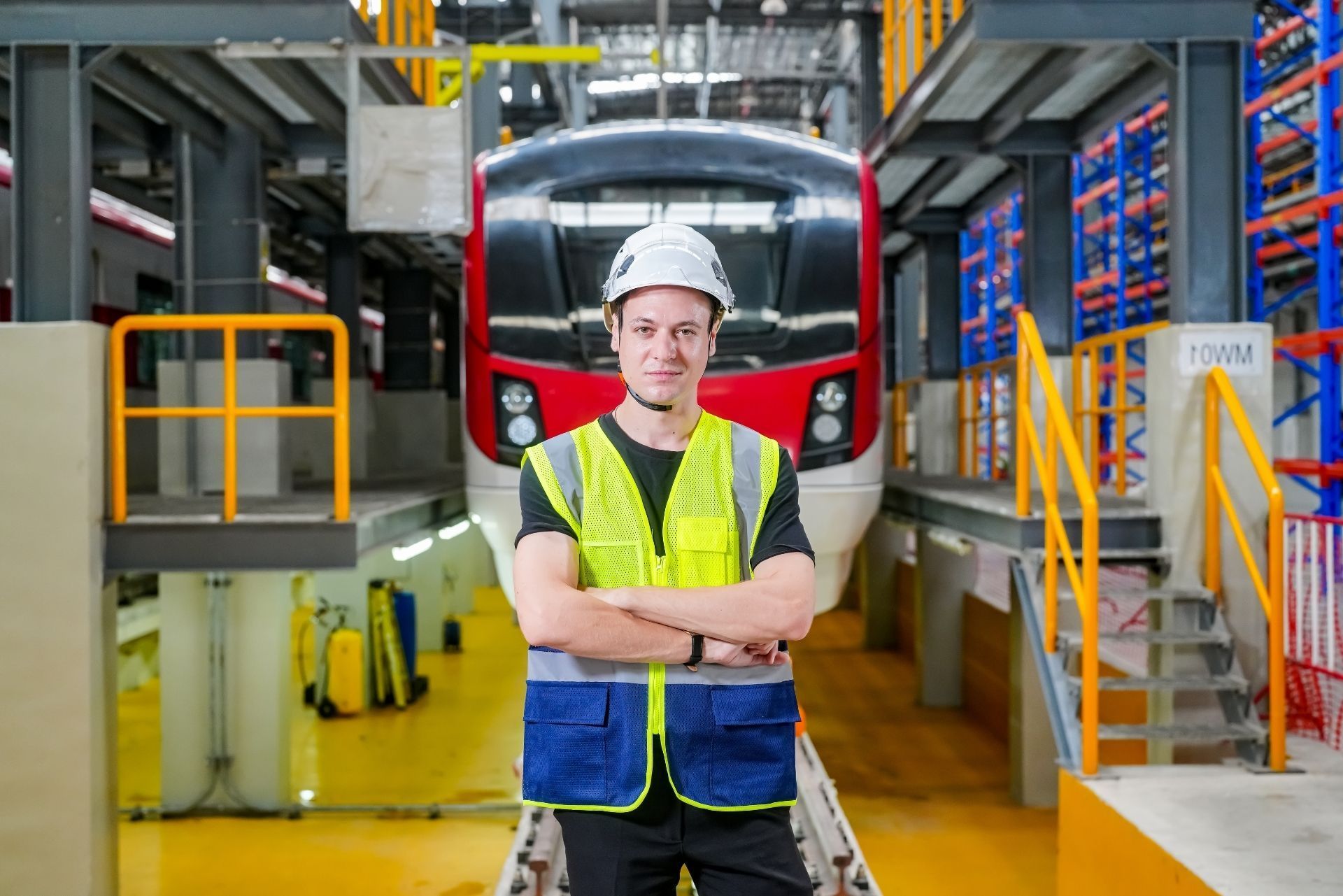
Railway electricians handle power and control systems in an environment where almost everything is large, heavy or energized. Work often happens at heights, in trenches, inside signal huts or alongside active tracks with limited clearance. That mix of electrical risk, moving rail equipment and difficult access points leads to injury patterns that look very different from a typical commercial building wiring job.
Arizona already sees a higher rate of nonfatal workplace injuries than the national average. The same Bureau of Labor Statistics report that counted 69,500 nonfatal injuries in private industry also identified a total recordable cases rate of 3.1 cases per 100 full time equivalent workers for the state, compared with 2.7 at the national level, according to the federal data. Railway electrical work layers additional hazards on top of this background risk, from traction power systems and signal relays to heavy lifting for cabling and components.
On the fatal side of the ledger, transportation incidents are a major contributor in Arizona, representing more than a third of fatal work injuries in the year when 103 deaths were recorded statewide, based on the
BLS fatal injury report. For railway electricians, that exposure shows up during track access, work on or near rail equipment, and the constant movement of company vehicles between yards, depots and remote job sites. Any insurance program that treats this as simple “electrical contractor” work without the rail component is likely to miss critical exposures.
Core Insurance Policies Railway Electricians In Arizona Should Consider
No two railway electrical operations in Arizona look exactly alike. Some focus on signal work, others handle traction power or station systems, and many do a bit of everything. The insurance foundation, though, usually rests on a familiar group of policies that can be tailored to rail projects, multi state operations and complex contracts. The sections below break down the major coverage types and how they apply to this niche trade.
Think of this group of policies as the spine of a risk management plan. They work together to handle injuries to employees, damage to client property, responsibility for accidents on the road and the cost to repair or replace tools, test equipment and specialized gear. Once these are in place, it becomes easier to decide whether more specialized protection is needed for things like design errors, high value equipment or larger rail contracts.
Workers Compensation Insurance
Workers compensation is usually the first coverage that comes to mind for any contractor with employees, and railway electricians are no exception. It pays for medical care and a portion of lost wages for employees who are injured or become ill because of their work, and it can also respond to employer liability suits that arise from those injuries. For a crew that regularly works around energized systems, heavy tools and moving rail equipment, the likelihood of at least some claims over time is high enough that this policy becomes non negotiable in practice.
In Arizona, electricians often see workers compensation premium rates estimated in a band that runs from 3.50 dollars to 6.00 dollars per 100 dollars of payroll, according to market figures reported by Contractors Liability. That range reflects the underlying risk level of the trade and the fact that even well trained electricians can experience strains, falls, shocks or vehicle accidents on the job. At the same time, Arizona regulators approved a 10.3 percent decrease in workers compensation rates starting on the first day of 2024, marking the tenth consecutive year of rate reductions in the state according to industry reporting.
For a railway electrician, that downward rate trend can help offset some of the higher base cost that comes with operating in a riskier environment than a typical low voltage contractor. Insurers still look very closely at safety programs, job planning and claim history, but they are doing so in a state where the overall pricing environment for workers compensation has been moving in a favorable direction for several years in a row.
General Liability Insurance
General liability insurance is designed to handle bodily injury and property damage claims brought by third parties, such as rail owners, prime contractors, passengers or bystanders. If a temporary power setup fails and leads to a fire in a station, or a misrouted cable causes someone to trip and suffer an injury, this is the policy that usually responds. For railway electricians, a lot of work happens on property owned by others under strict contractual terms, so adequate general liability limits are essential.
Contracts in the rail sector often require not only basic liability coverage but also specific endorsements, higher limits and additional insured language in favor of the rail owner and the lead contractor. Without a well structured policy, a railway electrician can find the door closed on larger projects, no matter how strong the technical capabilities of the company may be. A broker who understands rail requirements can help match policy wording to the types of agreements the business typically signs.
Commercial Auto Insurance
Given how often rail jobs are spread out across yards, sidings and remote segments of track, company vehicles are a big part of a railway electrician’s daily operations. Commercial auto insurance covers liability for bodily injury and property damage arising from the use of those vehicles, and it can also provide coverage for damage to the vehicles themselves. The transportation risk that already shows up heavily in Arizona’s fatal injury statistics makes this policy especially important for rail related trades in the state.
Crews may operate bucket trucks, pickups loaded with tools, vans carrying sensitive testing equipment or even specialized vehicles for accessing trackside locations. Each type of vehicle changes the exposure profile. Good commercial auto coverage considers not just the vehicle fleet, but also driver screening, training, hours on the road and how often night or emergency callouts are part of the job.
Professional Liability Or Errors And Omissions
Many railway electricians provide more than simple installation. They help design control schemes, recommend equipment, program relays and integrate communication systems. When that higher level of professional input is on the table, errors and omissions, often referred to as professional liability coverage, becomes important. It helps cover financial losses a client experiences because of a mistake in design, programming or advice, even if there is no physical injury or property damage.
For example, if a programming error in a signal system causes service disruptions, schedule chaos and extra costs for the rail operator, the claim might center on economic loss rather than bodily injury. General liability policies are not designed to pick up those types of professional mistakes. A separate or combined professional liability policy tailored to electrical and rail work can fill that gap.
Property, Tools And Equipment Coverage
Railway electricians rely on test instruments, laptops, specialized meters, gang boxes, welders and other high value tools. These items travel from yard to car to trackside site, and they often spend time in temporary storage, on job trailers or in the open. Commercial property insurance and inland marine style coverage can protect this equipment against perils such as theft, fire or certain kinds of accidental damage, subject to policy terms.
The tricky part is that standard property policies often limit coverage when property leaves a scheduled location, such as a shop or office. Since rail work is mobile by nature, many railway electricians lean on contractor’s equipment or tool floater policies that follow the gear wherever it goes, within the policy territory. An accurate equipment schedule and realistic values help avoid coming up short in a claim when a trailer is broken into or tools are damaged at a remote section house.
Other Specialized Coverages To Weigh
Depending on the size and scope of operations, a railway electrician in Arizona might also need other forms of protection. Excess or umbrella liability can provide an extra layer of limits above general liability, auto and, in some cases, employer liability. This can be critical when working under master service agreements with large railroads or transit agencies that face significant exposure if something goes wrong.
Cyber coverage is also worth considering, especially for contractors who interface with rail control networks, maintain remote monitoring systems or hold sensitive operational data. Even if direct access to control systems is limited, a ransomware event or data breach affecting project documents, schedules or billing can create real business interruption. Cargo or bailee coverage might come into play when handling high value electrical components owned by the client during transit or storage.
| Coverage Type | What It Mainly Protects | Railway Electrician Example |
|---|---|---|
| Workers compensation | Employees injured or made ill by work | Technician suffers a back injury pulling cable in a rail tunnel |
| General liability | Third party bodily injury and property damage | Signal cabinet work leads to accidental damage of a station wall |
| Commercial auto | Liability from company vehicle use and vehicle damage | Bucket truck backs into a parked car at a depot |
| Professional liability | Client financial loss from errors in design or advice | Programming mistake causes costly service disruption on a rail line |
| Property and equipment | Owned tools, equipment and sometimes buildings | Job trailer with specialized testers is broken into and equipment is stolen |
| Umbrella or excess | Additional liability limits over base policies | Major incident leads to claims that exceed general liability limits |
How Arizona Injury And Market Trends Affect Railway Electrical Work
Insurance pricing and availability do not exist in a vacuum. They respond to claim trends, regulatory decisions and the overall shape of the industry. For railway electricians in Arizona, that backdrop includes both higher than average injury rates across private industry and steady growth in the broader electrical sector.
The same federal report that recorded 69,500 nonfatal workplace injuries and a total recordable cases rate of 3.1 for Arizona’s private industry, compared with 2.7 at the national level, serves as a reminder that workers compensation and liability claims are not abstract possibilities in the state, they are regular occurrences according to the Bureau of Labor Statistics. When those claims involve high severity injuries linked to electrical work or transportation incidents, they influence how insurers view related trades and how carefully they underwrite rail projects.
On the business side, the electricians industry in Arizona is projected to reach a market size of 5.5 billion dollars by 2025, with an annual growth rate of 1.9 percent, according to estimates shared by Wilde Wealth Insurance. Over the period from 2020 through 2025, the number of electrician businesses in the state is expected to grow at an average annual rate of 3.8 percent, based on the same source from Wilde Wealth Insurance. For railway electricians, those trends mean more potential competition for projects, but also more subcontracting opportunities and a larger pool of electrical work across the state.
Insurers generally welcome controlled, stable growth like this, especially when paired with regulatory actions that have kept workers compensation rates trending downward in Arizona for multiple consecutive years. That said, a growing industry also attracts new entrants who may not yet have mature safety programs, which can lead to a mix of strong and weak risks within the same broad trade class. Railway electricians who invest in robust training and documented procedures have an opportunity to stand out as better risks and negotiate more favorable terms.
Designing The Right Insurance Program For A Railway Electrical Operation
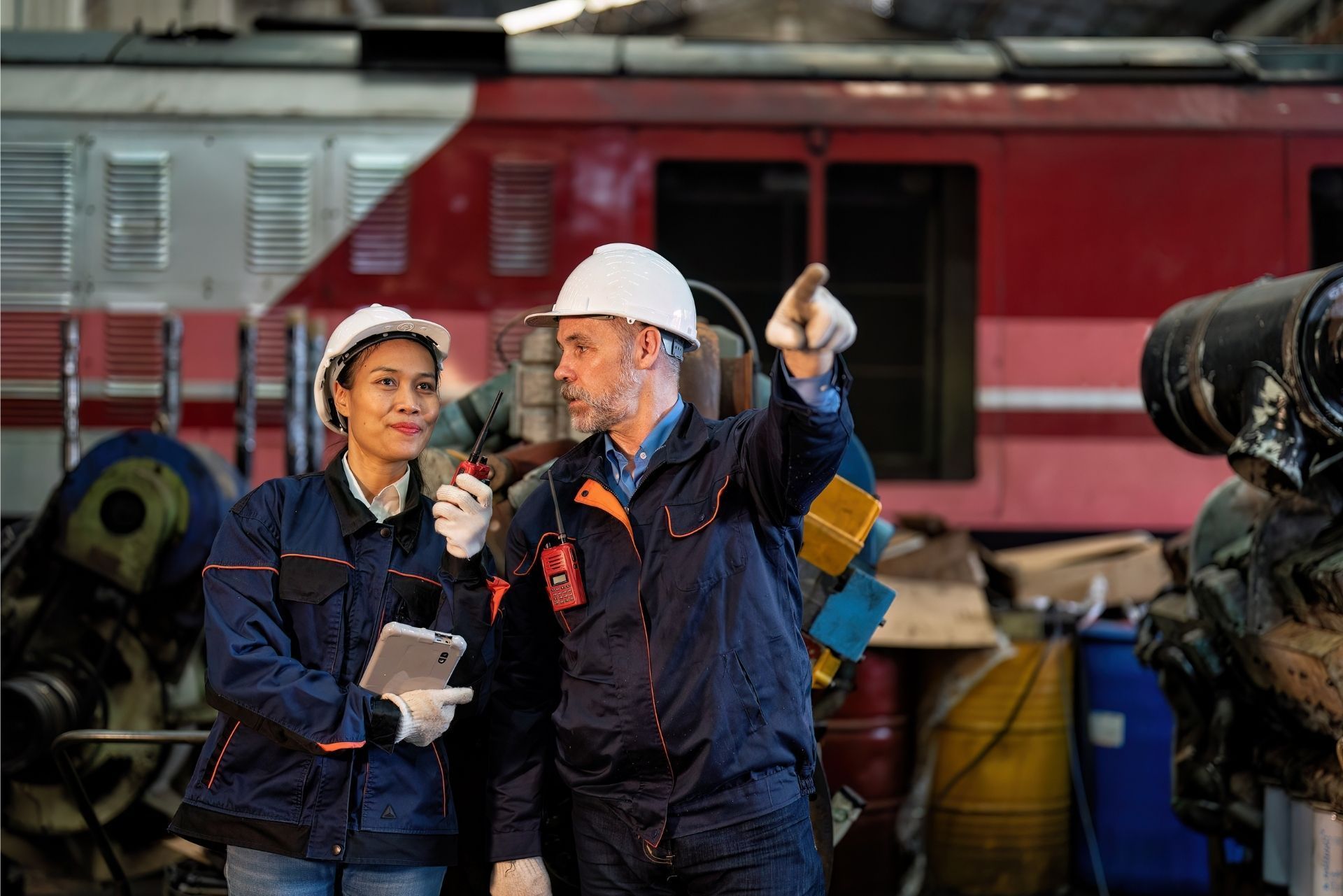
Building an insurance program for railway electrical work in Arizona starts with a blunt look at exposures. Where do crews spend most of their time, yard environments or mainline track? How often does work take place at night or under live traffic windows? Is the business taking responsibility for design and programming, or primarily following plans from an engineering firm? Clear answers to these questions help determine how much emphasis to place on each coverage type and where higher limits or special endorsements are needed.
Risk managers and brokers often begin with a schedule of operations and a list of typical projects. A company that primarily handles signal maintenance at smaller short line yards will look very different from one that installs traction power systems for a large passenger rail corridor. Both may be called “railway electricians,” but the size of potential claims, the contractual obligations and the regulatory environment can vary widely. The insurance program should reflect those differences rather than relying on generic contractor profiles.
Another key step is mapping contract requirements. Many rail owners and large prime contractors specify minimum limits for general liability, auto, employer liability and umbrella coverage, along with detailed wording about additional insured status, waivers of subrogation and primary non contributory language. If the insurance program does not align with these requirements, bids can be rejected or work stopped mid project. Reviewing sample contracts with the insurance advisor before renewal season can avoid last minute surprises.
| Program Element | Key Question | Impact On Coverage |
|---|---|---|
| Scope of work | Are crews mainly maintaining systems or building new ones? | New construction may call for higher liability limits and broader completed operations coverage. |
| Rail access | How often is work done on or near active tracks? | Frequent track access increases transportation and catastrophic injury exposures. |
| Professional services | Does the company design, engineer or program systems? | Greater design responsibility points toward dedicated professional liability protection. |
| Subcontractors | Are subs used for civil, communications or other tasks? | Subcontractor risk transfer and additional insured requirements need to be built into the program. |
| Geographic spread | Are projects confined to Arizona or multi state? | Multi state work can change jurisdictional rules for workers compensation and liability. |
Finally, insurance should be tied closely to safety and operations rather than treated as a separate administrative chore. A well documented lockout tagout program, clear procedures for track protection, regular driver training and consistent incident reporting all reduce the likelihood and severity of claims. Sharing that documentation with underwriters helps them see the business as more than a class code and can support better pricing and broader coverage grants.
Cost Drivers And Ways To Keep Premiums Manageable
Several factors influence what a railway electrician in Arizona ultimately pays for insurance. Payroll size shapes workers compensation premiums, while gross revenue plays a similar role for general liability. The mix of projects matters as well. Work inside secured yards with limited public access and carefully controlled train movements usually carries less risk than tasks on busy passenger platforms or grade crossings where the public is present.
Claim history is another major driver. A company with frequent small claims may see higher deductibles or surcharges, while one large loss can affect both pricing and the willingness of some insurers to quote the account. For rail related work, underwriters pay particular attention to any history of severe injuries, electrical accidents or incidents involving moving equipment. Detailed loss runs and honest discussions about what the company has done to prevent repeat events can soften the impact of a difficult year.
The positive regulatory environment for workers compensation in Arizona, where state approved rate reductions of 10.3 percent took effect at the start of 2024 according to Contractors Liability, gives railway electricians some room to invest in stronger coverage without necessarily seeing costs spiral. Still, it makes sense to control premiums without cutting corners. Some ways to do that include higher deductibles on property and auto where the company can comfortably absorb smaller losses, careful classification of employees, accurate equipment scheduling and active participation in safety incentive programs offered by insurers.
Open communication with the broker also helps. If the business is planning a significant expansion into new types of rail work or taking on a particularly large project, flagging that early allows time to negotiate terms and limits rather than scrambling just before a contract deadline. Insurers generally respond better to thoughtful growth plans supported by safety investments than to sudden shifts in operations that show up for the first time on an application.
Frequently Asked Questions About Arizona Railway Electrician Insurance
DRailway electrical work comes with enough technical jargon already. The goal of this section is to strip away some of the mystery around insurance for Arizona rail projects and answer the questions that tend to come up in conversations between electricians, operations managers and brokers.
These answers are general in nature and do not replace legal or financial advice. The specifics of any policy, claim or contract should be reviewed with licensed professionals who understand both Arizona law and the rail industry.
Do railway electricians in Arizona legally need workers compensation insurance?
Most employers who hire staff in Arizona are required to carry workers compensation, and that includes contractors working on rail projects. The exact obligations depend on business structure, number of employees and other details, so it is important to confirm requirements with a licensed insurance professional or legal advisor before assuming any exemption applies.
Why are injury statistics in Arizona relevant to my small rail electrical outfit?
Statewide injury numbers help insurers understand how risky the environment is for all employers, including contractors tied to rail projects. When Arizona posts higher total recordable injury rates and substantial counts of nonfatal injuries, as documented by the Bureau of Labor Statistics, underwriters may take a closer look at safety practices and pricing for businesses that share similar exposures.
How does rail work change my general liability needs compared with regular commercial electrical jobs?
Rail environments introduce heavier equipment, larger potential crowds and more complex contracts than many standard commercial sites. That combination raises the stakes for bodily injury and property damage claims, so rail projects often justify higher liability limits, broader endorsements and careful attention to additional insured wording that would not typically appear on a small retail or office wiring job.
Is professional liability really necessary for a field focused electrical crew?
If the crew only follows stamped engineering drawings and never recommends design changes, professional liability may seem optional. In practice, many railway electricians adjust settings, suggest alternate routing or participate in commissioning, and those actions can be viewed as professional services if a client alleges that a mistake caused financial loss, making dedicated coverage a prudent layer of protection.
What can I do to make my business more attractive to insurers?
Insurers respond well to documented safety programs, especially written procedures for track access, electrical testing, lockout tagout and driver training. Providing training records, incident logs and evidence of regular safety meetings during renewal conversations helps show that the company is serious about managing risk rather than relying solely on insurance to pick up the pieces.
Will Arizona’s workers compensation rate reductions automatically lower my premiums?
State rate cuts create a more favorable baseline, as seen in the approved 10.3 percent reduction that took effect at the beginning of 2024 according to
Contractors Liability, but they are not the only factor. Payroll levels, claim history, classification and any policy specific surcharges or credits all influence the final premium, so some businesses will see more savings than others.
Final Thoughts For Arizona Railway Electricians
Railway electricians in Arizona sit at a critical point where infrastructure, safety and commerce meet. Their work keeps signals reliable, stations powered and trains moving, yet it unfolds in an environment that shows above average injury rates across private industry and a notable share of fatalities linked to transportation incidents, as reflected in data from the U.S. Bureau of Labor Statistics. That reality argues strongly for a thoughtful, customized insurance strategy rather than a quick purchase of standard contractor policies.
By aligning workers compensation, general liability, commercial auto, professional liability and equipment coverage with the actual scope of rail work being performed, a railway electrician can protect employees, meet demanding contract requirements and keep projects on track even when setbacks occur. Pairing that coverage with strong safety practices and clear communication with insurers helps control costs in a state where workers compensation rates have recently moved in a favorable direction and the electrical industry as a whole is growing, as described by sources such as
Wilde Wealth Insurance. Taken together, those steps give Arizona railway electricians a sturdier foundation for handling risk while they focus on the complex technical work that keeps the rail network running.
About The Author:
Taylor Whatcott
As President of Wilde Wealth Insurance Services, I’m committed to providing trusted protection for both families and businesses across Arizona. Our independent team works with top-rated carriers to deliver tailored, comprehensive coverage—making insurance simple, accessible, and hassle-free.
Contact Us
Commercial Coverage Solutions
Protect Your Business with the Right Insurance
We offer customized insurance solutions to safeguard your business from financial risks. Our policies provide protection for property, employees, and liability concerns.
Commercial Property Insurance
Safeguards buildings, equipment, and inventory from damage or loss.
Professional Liability Insurance
Covers claims of negligence, errors, or omissions in services.
Cyber Liability Insurance
Protects against data breaches, cyberattacks, and online threats.
Who We Protect
Insurance Solutions for Your Industry
We specialize in providing tailored coverage for businesses in key industries. Our policies are designed to meet industry-specific risks and ensure complete protection.



Protection for Your Home & Assets
Reliable Coverage for Life’s Unexpected Moments
We provide personal insurance solutions designed to safeguard your home, vehicle, and financial well-being. Our policies ensure you and your loved ones are protected.







What Our Clients Say
Real Feedback. Real Confidence.
FAQs
Answers to Common Insurance Questions
How do I know which insurance coverage is right for me?
Choosing the right insurance depends on your personal or business needs. Our team evaluates your risks and recommends tailored coverage to protect what matters most.
We work with multiple carriers to provide different policy options. This allows you to compare benefits, limits, and pricing to make an informed choice.
If you’re unsure, we’ll walk you through the options step by step, ensuring you understand your coverage and feel confident in your decision.
Why should I choose an independent insurance agency like Wilde Wealth?
As an independent agency, we are not tied to a single insurance provider. This means we can compare multiple policies to find the best coverage at the best price.
Our goal is to advocate for you, ensuring you receive personalized service and expert advice tailored to your situation.
Unlike direct insurers, we offer ongoing support, helping you with claims, policy changes, and future coverage needs.
Can I bundle multiple insurance policies to save money?
Yes! Bundling policies like home and auto can lead to significant savings. Many carriers offer discounts for combining multiple coverages.
Bundling also simplifies policy management, with a single point of contact and streamlined renewals.
We help you explore bundling options to ensure you get the best value while maintaining the protection you need.
What factors affect my insurance rates?
Insurance rates are influenced by factors such as coverage limits, location, claims history, and risk exposure. Personal insurance may consider credit scores, driving history, and home value.
For businesses, factors like industry type, employee count, and annual revenue can impact pricing. Each carrier evaluates risk differently.
We shop multiple providers to find the best balance of coverage and cost, ensuring you don’t overpay while staying fully protected.
How does Wilde Wealth Insurance Services help business owners?
We provide customized business insurance solutions to protect against liability, property damage, employee-related risks, and cyber threats.
Our team works with a range of industries, including contractors, restaurants, and real estate professionals, to offer tailored policies.
From small startups to established enterprises, we help business owners minimize risks and keep operations running smoothly.
What happens if I need to file a claim?
Filing a claim is simple with our support. Contact us first, and we’ll guide you through the process, ensuring all necessary information is submitted correctly.
We work directly with your insurance carrier to expedite the claim, keeping you informed at every step.
Our team is here to advocate for you, making sure you receive a fair and timely resolution.
Latest Articles & Insights
Stay Informed with Expert Insurance Advice
We provide valuable insights to help you make informed insurance decisions. Explore our latest articles on coverage options, industry trends, and risk management tips.

Contact Us