
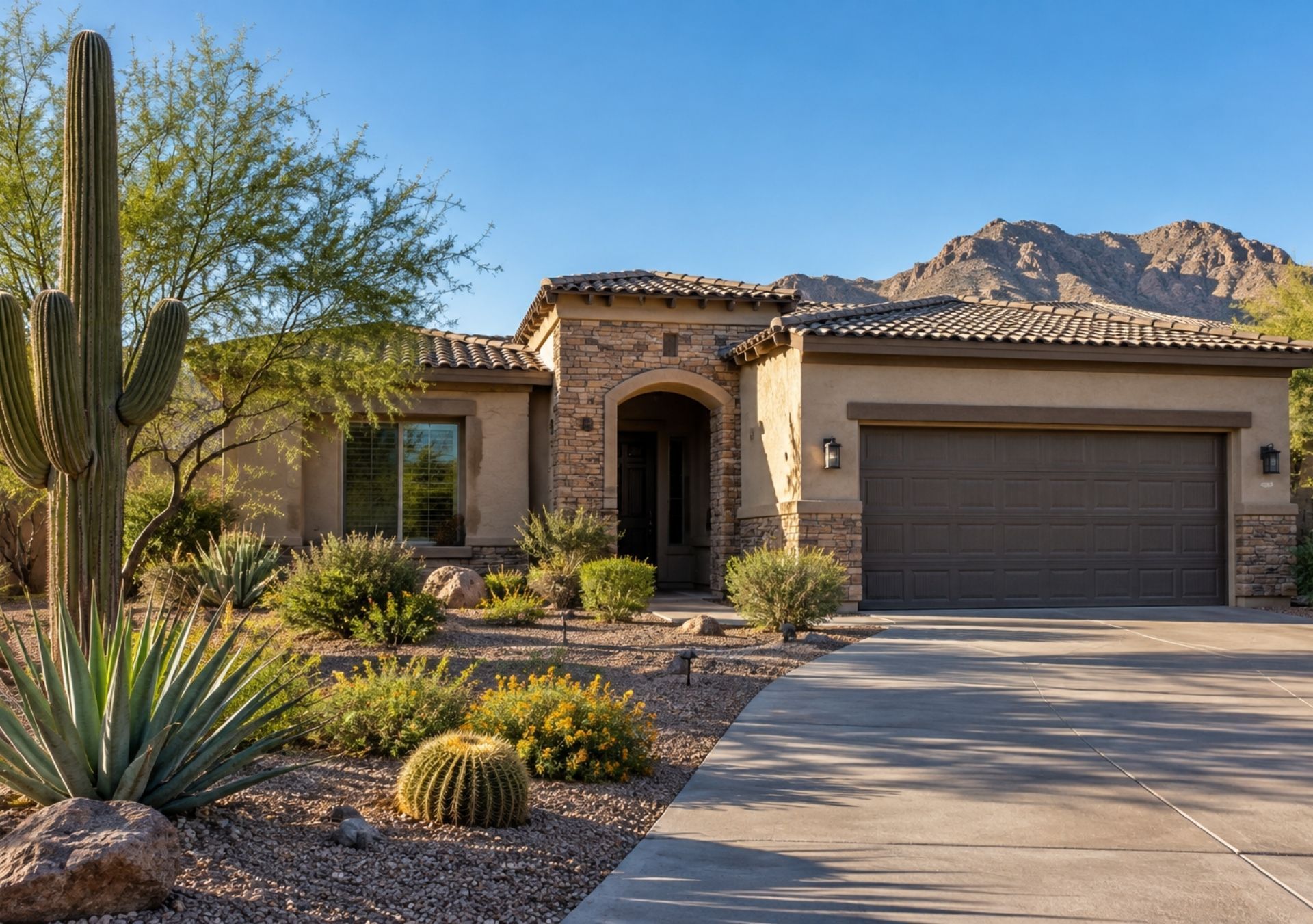
Owning a home in Phoenix means dealing with a climate that most of the country can't relate to. Triple-digit summer heat, violent monsoon storms, and the creeping threat of wildfires near the urban fringe all put pressure on your property in ways that a standard insurance policy might not fully address. Arizona home insurance rates have
risen 71% between 2020 and 2025, placing the state 6th nationally for premium increases. That kind of jump forces homeowners to think harder about what they're actually paying for and whether their coverage matches the risks they face. If you're shopping for home insurance in Phoenix, AZ, or reviewing an existing policy, understanding the details can save you thousands of dollars and a lot of frustration after a claim. Your home is likely your largest financial asset, and the desert environment tests it constantly. This guide breaks down coverage types, local hazards, rate factors, and practical steps to help you make a confident decision.
Understanding Homeowners Insurance in Phoenix
Phoenix homeowners face a distinct set of conditions that shape how insurance policies are structured and priced. The combination of extreme heat, sudden storms, and rapid development in Maricopa County means that a cookie-cutter policy from another state won't necessarily protect you here. Before comparing quotes, you need a clear picture of what standard coverage includes and why your dwelling limits deserve close attention.
Standard Coverage Components for Arizona Homeowners
A typical Arizona homeowners policy includes six core components. Dwelling coverage pays to repair or rebuild your home's structure. Other structures coverage extends to detached garages, sheds, or pool enclosures. Personal property coverage replaces belongings like furniture, electronics, and clothing. Loss of use coverage pays for temporary housing if your home becomes uninhabitable after a covered event.
The remaining two pieces are liability protection and medical payments to others. If someone is injured on your property and sues, liability coverage handles legal costs and settlements. Medical payments cover smaller injury claims regardless of fault, usually up to $5,000. One common gap I see Phoenix homeowners overlook is personal property limits for high-value items like jewelry, art, or firearms. Standard policies cap these categories, so you may need a scheduled endorsement to fully protect them.
Why Dwelling Coverage Limits Matter in the Desert
Your dwelling limit should reflect the cost to rebuild your home from the ground up, not its market value. In Phoenix, construction costs have climbed sharply since 2023 due to labor shortages and material price increases. A home that cost $280,000 to build five years ago might cost $340,000 or more to reconstruct today.
Extreme heat also
causes long-term damage to building materials, from
cracked stucco to warped roofing. If your dwelling limit hasn't been updated recently, you could be underinsured without knowing it. Ask your agent about an inflation guard endorsement, which automatically adjusts your coverage limit each year to keep pace with rising costs.
Unique Risks and Hazards for Phoenix Properties
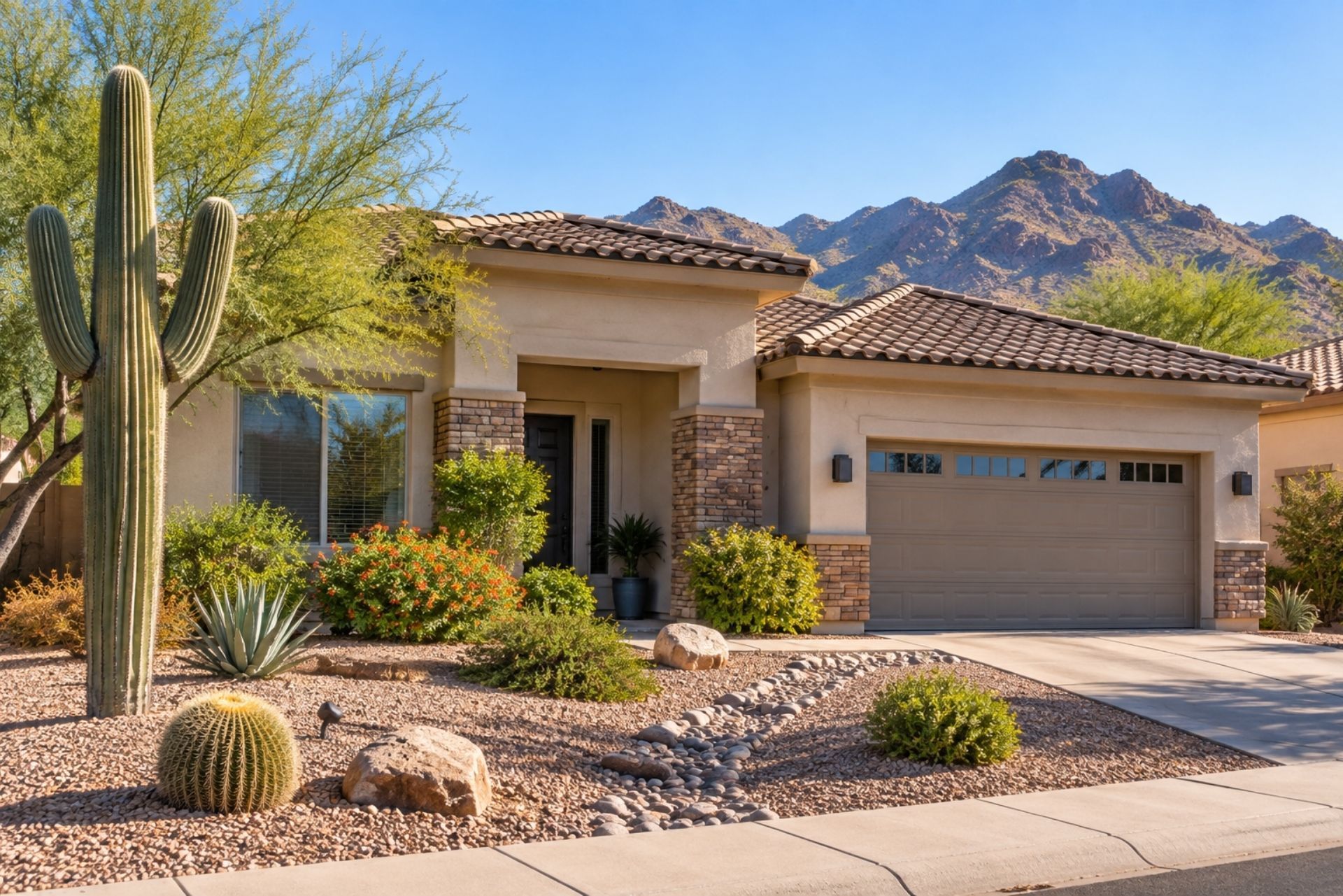
Phoenix sits in a region where weather can shift from calm to destructive in minutes. The risks here aren't hypothetical: they drive real claims every year. Understanding the specific hazards your property faces helps you choose the right endorsements and avoid coverage gaps.
Monsoon Season and Wind Damage
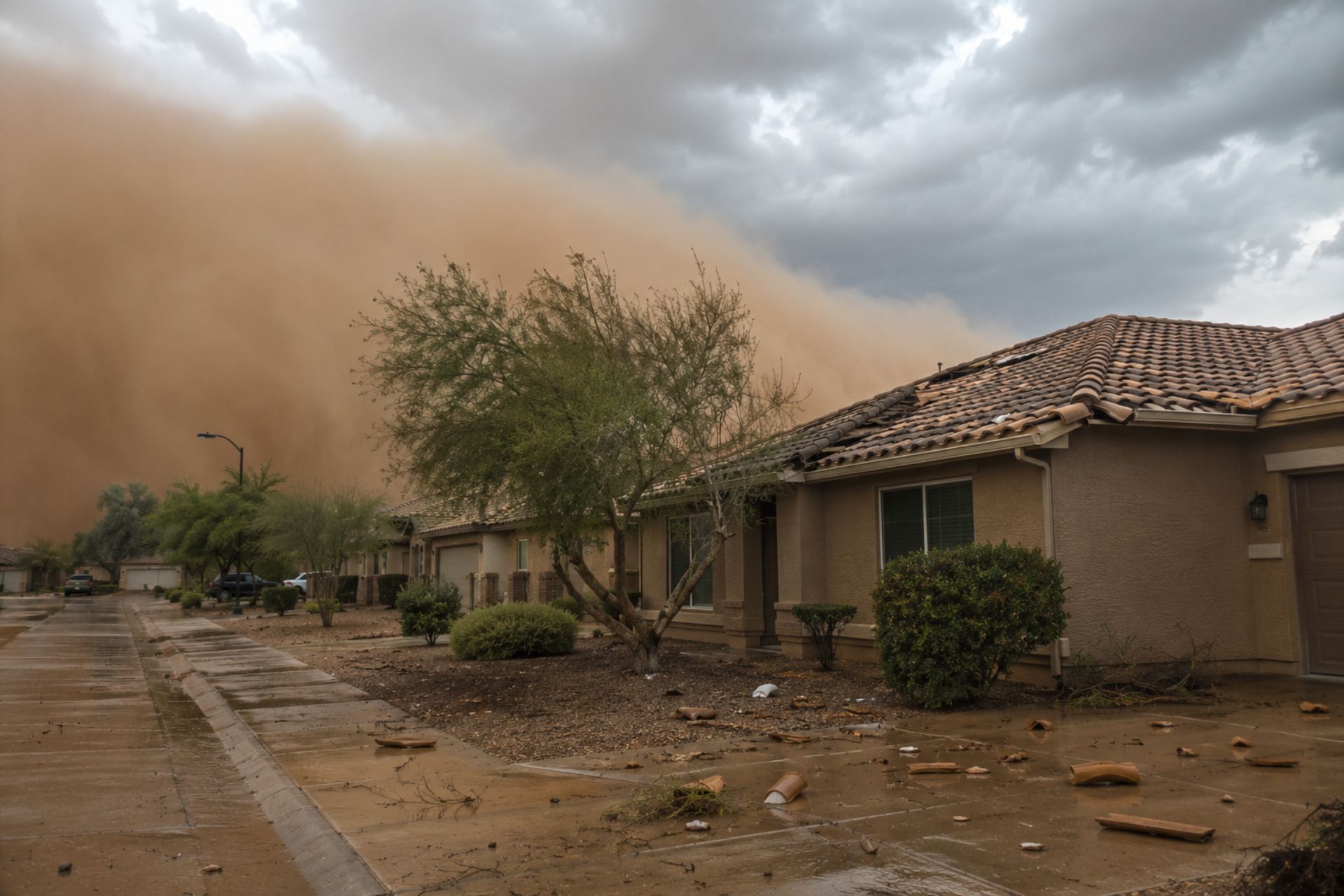
From mid-June through September, monsoon storms bring high winds, dust, heavy rain, and occasional hail. Wind gusts during a haboob or thunderstorm can exceed 70 mph, tearing off roof tiles, toppling trees onto structures, and sending patio furniture through windows. Standard HO-3 policies generally cover wind damage, but here's the catch: flood damage from monsoon rain is excluded.
Many Phoenix homeowners assume their policy covers water damage from any source. It doesn't. If monsoon runoff floods your home, you'll need a separate flood insurance policy through the National Flood Insurance Program or a private carrier. Even homes outside designated flood zones can experience flash flooding in the Valley's wash areas. The cost of a flood policy is relatively low for most Phoenix ZIP codes, often between $400 and $700 per year.
Wildfire Protection for Urban-Interface Areas
Communities along the northern and eastern edges of the metro area, places like Anthem, Cave Creek, and parts of north Scottsdale, sit in what's called the wildland-urban interface. These neighborhoods border undeveloped desert where brush fires can spread quickly. Some homeowners in these areas have faced non-renewal notices and steep premium hikes as insurers reassess wildfire risk across Arizona.
If your home is in a higher-risk zone, creating defensible space around the property, using fire-resistant landscaping, and maintaining a Class A fire-rated roof can all help you qualify for better rates. Arizona's Department of Insurance has pushed for the state's Resiliency and Mitigation Council to develop strategies that reward homeowners who take proactive steps to reduce wildfire exposure.
Comparing Policy Types: Basic vs. Comprehensive
Not all homeowners policies offer the same level of protection. The two most common forms in Arizona are the HO-3 (Special Form) and the HO-5 (Comprehensive Form). The difference comes down to how they handle what's covered and what's excluded.
An HO-3 policy covers your dwelling on an "open perils" basis, meaning everything is covered unless it's specifically excluded. Your personal property, though, is only covered for "named perils," a shorter list of about 16 specific events. An HO-5 policy extends open perils coverage to both your dwelling and your personal property, giving you broader protection with fewer gaps.
Table: HO-3 Special Form vs. HO-5 Comprehensive Coverage
| Feature | HO-3 Special Form | HO-5 Comprehensive |
|---|---|---|
| Dwelling coverage | Open perils (all risks unless excluded) | Open perils (all risks unless excluded) |
| Personal property | Named perils only (16 listed events) | Open perils (broader protection) |
| Accidental damage to belongings | Not covered unless peril is named | Typically covered |
| Replacement cost on contents | Often actual cash value (depreciated) | Usually replacement cost included |
| Premium cost | Lower | 15-25% higher than HO-3 |
| Best for | Budget-conscious homeowners | Homeowners wanting fewer claim surprises |
For most Phoenix homeowners, an HO-3 policy is adequate if you add a replacement cost endorsement for personal property. But if you own expensive belongings or simply want fewer exclusions to worry about, the HO-5 is worth the extra premium. Talk to your agent about what each option actually looks like at your specific coverage limits.
Factors Influencing Insurance Rates in Maricopa County
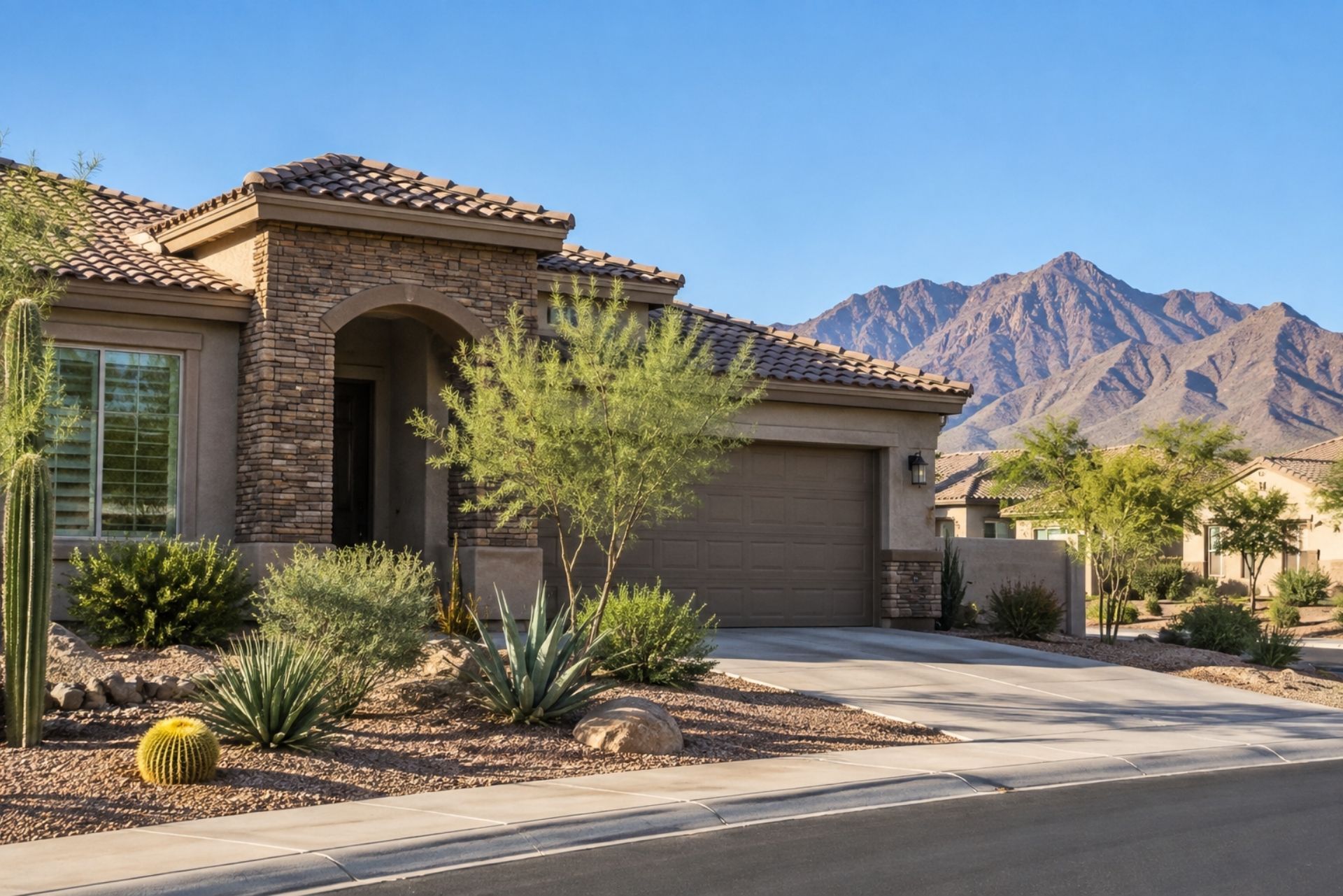
Phoenix insurance premiums don't exist in a vacuum. Carriers weigh dozens of variables when setting your rate, from your home's construction to its exact location within Maricopa County. Two of the biggest factors are your roof and your proximity to fire response resources. Costs across the metro have soared in recent years, making it more important than ever to understand what drives your specific quote.
The Impact of Roof Material and Age
Your roof is the single most influential factor in your Phoenix home insurance premium. Insurers care about two things: what it's made of and how old it is. A concrete tile roof in good condition will earn you a better rate than an aging asphalt shingle roof, because tile holds up better against wind, hail, and UV degradation.
If your roof is over 15 years old, expect carriers to ask for an inspection before issuing or renewing a policy. Some insurers won't write coverage at all for roofs older than 20 years. Replacing an aging roof is expensive, but it often pays for itself through lower premiums over time. A new Class 4 impact-resistant roof can reduce your annual premium by 10-25% depending on the carrier.
Proximity to Fire Stations and Hydrants
Carriers use something called a Protection Class rating, which measures how close your home is to a fire station and a fire hydrant. Homes within five miles of a fire station and 1,000 feet of a hydrant generally receive the best ratings. Properties in rural or semi-rural parts of the Valley, especially newer developments on the outskirts, sometimes fall into less favorable categories.
This matters more than most people realize. A Protection Class rating of 9 or 10 (the worst scores) can increase your premium by 20-40% compared to a Class 3 or 4 rating. If you're buying a home in a newer subdivision, check the fire protection infrastructure before you close. It could significantly affect your ongoing insurance costs.
Frequently Asked Questions
Does Phoenix AZ home insurance cover flood damage? No. Standard homeowners policies exclude flood damage entirely. You'll need a separate flood insurance policy, which you can purchase through the NFIP or a private insurer. This is especially relevant during monsoon season.
How much does home insurance cost in Phoenix? The average annual premium in Maricopa County ranges from $1,800 to $3,200 for a typical single-family home, depending on your coverage limits, deductible, roof condition, and location. Rates have been climbing steadily due to natural disasters and inflation.
Is earthquake coverage included in Arizona policies? No. Arizona does experience minor seismic activity, and earthquake coverage requires a separate endorsement or standalone policy. The cost is relatively low compared to California.
What's the best way to lower my premium? Bundling home and auto insurance, raising your deductible, upgrading your roof, and installing a monitored security system are the most effective strategies. Ask about discounts for wind mitigation features too.
Do I need insurance if my mortgage is paid off? You're not legally required to carry homeowners insurance in Arizona if you own your home outright. That said, going without coverage means you'd absorb the full cost of any damage or liability claim yourself, which is a significant financial risk.
Can my insurer cancel my policy after a claim?
Arizona law allows insurers to non-renew a policy at the end of its term, but they can't cancel mid-term without specific cause. If you've filed multiple claims in a short period, your carrier may choose not to renew.
Making the Right Choice for Your Phoenix Home
Finding the right home insurance policy in Phoenix isn't just about getting the lowest quote. It's about matching your coverage to the actual risks your property faces: monsoon flooding, wind damage, extreme heat degradation, and potential wildfire exposure depending on where you live.
Start by getting your dwelling coverage limit right. An outdated limit is the most common and most costly mistake Phoenix homeowners make. From there, evaluate whether you need flood insurance, scheduled endorsements for valuables, or an upgrade from an HO-3 to an HO-5 policy.
Shop at least three to four carriers every two to three years. The Arizona insurance market is shifting fast, and the best rate you found in 2024 might not be competitive in 2026. Ask each carrier specifically about discounts for roof upgrades, security systems, and bundling. Request quotes at multiple deductible levels so you can see exactly how much you'd save by taking on a higher out-of-pocket cost.
Your home handles a lot in this climate. Make sure your insurance policy handles just as much.
About The Author:
Taylor Whatcott
As President of Wilde Wealth Insurance Services, I’m committed to providing trusted protection for both families and businesses across Arizona. Our independent team works with top-rated carriers to deliver tailored, comprehensive coverage—making insurance simple, accessible, and hassle-free.
Contact Us
Commercial Coverage Solutions
Protect Your Business with the Right Insurance
We offer customized insurance solutions to safeguard your business from financial risks. Our policies provide protection for property, employees, and liability concerns.
Commercial Property Insurance
Safeguards buildings, equipment, and inventory from damage or loss.
Professional Liability Insurance
Covers claims of negligence, errors, or omissions in services.
Cyber Liability Insurance
Protects against data breaches, cyberattacks, and online threats.
Who We Protect
Insurance Solutions for Your Industry
We specialize in providing tailored coverage for businesses in key industries. Our policies are designed to meet industry-specific risks and ensure complete protection.




Protection for Your Home & Assets
Reliable Coverage for Life’s Unexpected Moments
We provide personal insurance solutions designed to safeguard your home, vehicle, and financial well-being. Our policies ensure you and your loved ones are protected.







What Our Clients Say
Real Feedback. Real Confidence.
FAQs
Answers to Common Insurance Questions
How do I know which insurance coverage is right for me?
Choosing the right insurance depends on your personal or business needs. Our team evaluates your risks and recommends tailored coverage to protect what matters most.
We work with multiple carriers to provide different policy options. This allows you to compare benefits, limits, and pricing to make an informed choice.
If you’re unsure, we’ll walk you through the options step by step, ensuring you understand your coverage and feel confident in your decision.
Why should I choose an independent insurance agency like Wilde Wealth?
As an independent agency, we are not tied to a single insurance provider. This means we can compare multiple policies to find the best coverage at the best price.
Our goal is to advocate for you, ensuring you receive personalized service and expert advice tailored to your situation.
Unlike direct insurers, we offer ongoing support, helping you with claims, policy changes, and future coverage needs.
Can I bundle multiple insurance policies to save money?
Yes! Bundling policies like home and auto can lead to significant savings. Many carriers offer discounts for combining multiple coverages.
Bundling also simplifies policy management, with a single point of contact and streamlined renewals.
We help you explore bundling options to ensure you get the best value while maintaining the protection you need.
What factors affect my insurance rates?
Insurance rates are influenced by factors such as coverage limits, location, claims history, and risk exposure. Personal insurance may consider credit scores, driving history, and home value.
For businesses, factors like industry type, employee count, and annual revenue can impact pricing. Each carrier evaluates risk differently.
We shop multiple providers to find the best balance of coverage and cost, ensuring you don’t overpay while staying fully protected.
How does Wilde Wealth Insurance Services help business owners?
We provide customized business insurance solutions to protect against liability, property damage, employee-related risks, and cyber threats.
Our team works with a range of industries, including contractors, restaurants, and real estate professionals, to offer tailored policies.
From small startups to established enterprises, we help business owners minimize risks and keep operations running smoothly.
What happens if I need to file a claim?
Filing a claim is simple with our support. Contact us first, and we’ll guide you through the process, ensuring all necessary information is submitted correctly.
We work directly with your insurance carrier to expedite the claim, keeping you informed at every step.
Our team is here to advocate for you, making sure you receive a fair and timely resolution.
Latest Articles & Insights
Stay Informed with Expert Insurance Advice
We provide valuable insights to help you make informed insurance decisions. Explore our latest articles on coverage options, industry trends, and risk management tips.



Contact Us