
Arizona Security System Installer Insurance
See How We're Different:
or Call Us:(480) 526-3222
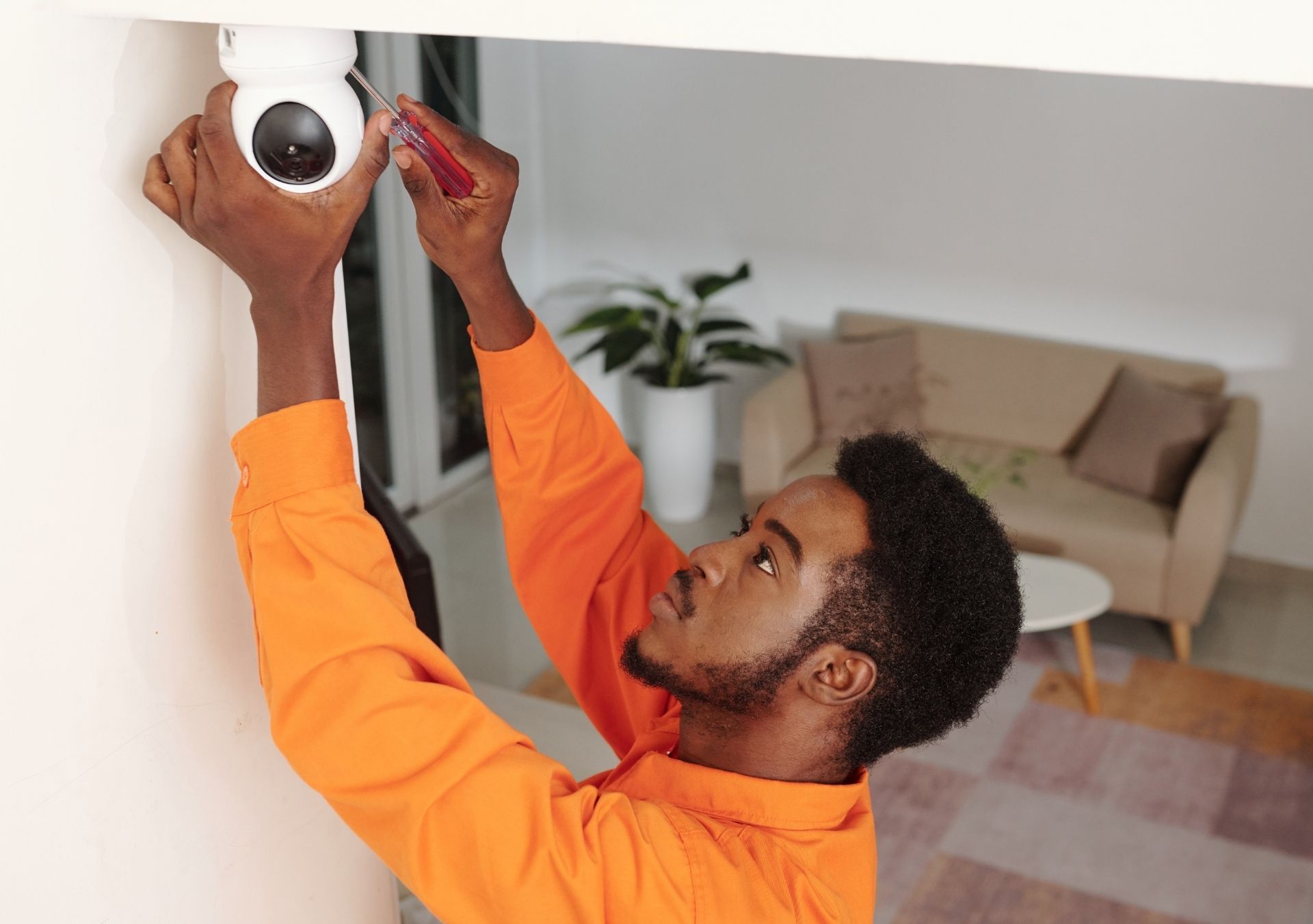
Picture this. You are up on a ladder in a Scottsdale living room, running cable for a new camera system. A ladder shift, a dropped drill, and a client’s custom glass coffee table shatters across the floor. The equipment is replaceable, but that table was pricey, and the client expects you to make it right. This is exactly the sort of moment when insurance stops feeling abstract and becomes the difference between a frustrating day and a financial mess.
Arizona property owners are already feeling the strain of rising insurance costs, which affects how they look at risk and who they hire. Over recent years, Arizona home insurance rates have surged seventy percent across roughly six years, the fourth biggest jump in the country. When clients pay that much to protect their homes, they expect any contractor on site, especially a security system installer, to be well insured and professionally prepared.
For security system contractors, coverage is about more than checking a box on a licensing or vendor form. The work touches wiring, networks, client privacy, and expensive electronics. A solid insurance program protects cash flow, reputation, and long term business value, while also helping you stay competitive when property managers and general contractors compare bids.
Why Insurance Matters So Much For Arizona Security System Installers
Security work sits at a tricky intersection of physical and digital risk. One day you are drilling through stucco to mount cameras. The next, you are configuring remote access or integrating alarms with a client’s network. Any mistake, miscommunication, or accident can trigger claims for property damage, bodily injury, or even data issues.
Clients usually invite security installers into highly sensitive spaces, such as bedrooms, server rooms, back offices, and cash handling areas. They trust that crews will protect not only property but also access codes, camera feeds, and floor plans. If something goes wrong, that trust can evaporate quickly, and liability tends to land on the contractor who designed or installed the system.
Many Arizona clients, including commercial property owners and community associations, already require proof of insurance before work begins. The more sophisticated the client, the more likely they will ask for certificates, specific limits, and endorsements. Without the right policies in place, a contractor can lose out on recurring monitoring contracts or multi site projects, even if the technical skills are strong.
Insurance also supports longevity. Claims happen, even to careful contractors. When coverage is in place, a single job site incident is far less likely to shut down operations, drain reserves, or create long term debt. Good coverage buys time to correct mistakes, improve processes, and keep crews working.
How Arizona’s Insurance Landscape Affects Security Contractors
Arizona is not an easy insurance market right now. Recent data shows that Arizona home insurance rates climbed by more than eleven percent in a single recent year, again ranking in the top tier of increases nationwide. That kind of movement reflects deeper stress in the system, including higher rebuilding costs, more frequent severe weather, and larger insured losses.
Insurance carriers adjust their own pricing when they see sustained pressure on losses. Rising homeowner claims affect the entire property and casualty ecosystem, including the commercial policies that security installers buy. When home insurers pay more to rebuild or repair damaged property, underwriters become more cautious about anyone who regularly works on or inside those structures.
Industry leaders also point to a surge in large scale disasters. As one insurance expert explained, the insurance industry recently faced more than twenty separate catastrophic crises in a single year, each costing the collective pool of insurers over a billion dollars. While not all of those events took place in Arizona, they still influence rates, underwriting appetite, and how carefully insurers screen contractors that handle high value property and security sensitive systems.
For a security system installer, this environment usually means stricter underwriting questions, closer attention to safety practices, and more detailed contract reviews. Carriers want to know exactly what kind of systems are installed, whether you work with firearms or guard services, how often teams climb on roofs or work with live electrical systems, and how client data is handled. A strong risk management story can offset some of the pricing pressure that comes from broader market shifts.
Core Insurance Coverages For Arizona Security System Installers
Most security system contractors build their protection around a handful of core policies. The exact mix depends on whether you focus on residential or commercial accounts, how big the crew is, and whether you handle design, monitoring, or only installation. The coverages below form the usual foundation for an Arizona security installer.
General Liability Insurance
General liability sits at the heart of most contractor insurance programs. It addresses third party claims for bodily injury, property damage, and certain types of personal injury, such as alleged reputational harm from your advertising. For a security installer, it typically responds when something goes physically wrong at a job site.
Picture a client tripping over an open toolbox in a hallway and injuring an ankle, or a drill bit puncturing a hidden water line behind a wall. General liability is designed to respond to those kinds of accidents, handling defense and settlements up to the policy limits. Many property managers and general contractors insist on seeing proof of this coverage before allowing work on site.
Professional Liability, Errors And Omissions
Security is as much about design and planning as it is about mounting devices. Professional liability, sometimes called errors and omissions, responds when a client claims that the design, configuration, or advice was negligent and caused them a financial loss. That can include situations where the system simply does not perform as promised.
Imagine a burglary occurs in a retail shop, and after the fact the owner alleges that cameras were aimed poorly or recording settings were misconfigured, leaving crucial footage unusable. Even if equipment worked as specified, allegations about design or advice can still trigger an expensive dispute. Professional liability coverage helps pay for legal defense and covered settlements when those disputes center on professional services rather than on purely physical accidents.
Commercial Property And Tools Coverage
Security installers often own a mix of office gear, testing equipment, spare devices, and inventory awaiting deployment. Commercial property coverage protects those business owned items at a fixed location, such as an office or warehouse, against covered events like fire, certain storms, or theft. It can also include improvements to leased spaces, such as a small demo room.
Tools and mobile equipment that travel from job to job may require special treatment. An inland marine or contractor’s equipment form can follow those items in transit and on client property. Without this kind of protection, a stolen van full of cameras, cable, and hand tools can quickly create a cash flow crunch, especially if the loss coincides with an already tight project deadline.
Business Auto Insurance
Most security contractors rely on vans or trucks to move crews, ladders, and gear around Arizona. Personal auto policies typically exclude business use beyond very limited commuting or incidental errands. Business auto coverage fills that gap for vehicles titled to the company or used primarily for work.
Business auto insurance can address liability when a driver causes an accident while heading to or from a job, as well as damage to the company vehicle itself after covered collisions or other events. It is worth reviewing whether coverage extends to permanently installed racks, ladder systems, or internal shelving that many security installers rely on to keep gear organized and safe.
Workers Compensation
Any contractor with employees should take workers compensation seriously, even if crews are small and experienced. Job sites involve ladders, power tools, attic spaces, confined areas, and sometimes hot rooftops. Injuries can and do happen, even when safety training is solid and supervisors stay vigilant.
Workers compensation typically covers medical expenses and a portion of lost wages when an employee is hurt in the course of work. In many cases, it also shields the business from certain types of employee injury lawsuits. Even where sole proprietors are allowed to opt out, some larger clients may insist that all on site personnel, including owners, carry workers compensation or similar protection.
Cyber And Data Liability Coverage
Security systems increasingly sit on networks, store footage in the cloud, and integrate with remote access apps. That creates exposure not only to physical break ins but also to hacking, data theft, and privacy disputes. Cyber and data liability coverage can step in when a contractor is blamed for a breach or improper release of information.
For example, if a misconfigured video system allows unauthorized viewing of private camera feeds, or if records with client access codes are compromised, a client may argue that the installer failed to protect sensitive data. Cyber policies often help cover forensic investigations, client notification, legal defense, and certain regulatory or contractual penalties, subject to the terms of the policy.
Umbrella Or Excess Liability Coverage
Some security projects involve high profile clients, crowded public spaces, or large commercial properties. The potential size of a claim in those environments can easily outstrip the limits of a standard general liability or auto policy. Umbrella or excess liability coverage stacks additional limits on top of the primary policies.
This extra layer can be especially valuable when clients demand higher liability limits in their contracts. Rather than purchasing very high limits separately on each underlying policy, an umbrella structure can sometimes provide broader protection in a more efficient way. It also offers additional peace of mind when crews work in locations where a single incident could impact many people at once.

Coverage Comparison At A Glance
A quick comparison can help clarify what each major policy focuses on. This simplified table highlights the core purpose of several key coverages for Arizona security system installers, along with realistic claim examples that many contractors recognize.
| Coverage Type | Main Focus | Example Scenario |
|---|---|---|
| General Liability | Physical injuries or property damage to others | A ladder falls against a client’s window during installation and the glass breaks injury |
| Professional Liability | Errors in system design, configuration, or security advice | A warehouse is burglarized and the owner alleges camera placement was inadequate |
| Commercial Property | Damage to your office contents, inventory, or equipment at a fixed location | A small office fire destroys stored cameras and DVR units awaiting installation |
| Business Auto | Liability and physical damage involving company vehicles | A service van rear ends another driver while heading to a service call |
| Workers Compensation | Employee medical costs and lost wages after work related injuries | A technician falls through an attic access and injures a knee |
| Cyber Liability | Data breaches, hacked systems, or privacy violations | Remote access credentials are compromised, exposing client video feeds |
| Umbrella Liability | Extra liability limits above other policies | A major claim from a crowded commercial site exceeds general liability limits |
This table is only a starting point. Real policies contain detailed definitions, exclusions, and conditions that shape how coverage works in practice. Reviewing those details with a knowledgeable advisor helps ensure that gaps do not appear right where your risk is highest.
Managing Risk To Keep Premiums Under Control
In a state where home insurance prices have already jumped dramatically over several recent years, contractors cannot control the entire market, but they can influence how attractive their own accounts look to underwriters. Strong risk management often leads to better rates, more coverage options, and smoother claim handling.
Start with job site basics. Clear safety protocols around ladder use, electrical work, attic entry, and rooftop access reduce the chance of serious accidents. Written procedures, toolbox talks, and consistent enforcement show carriers that safety is not just a line in a handbook. Photos of organized trucks and clean work areas can even help tell that story during underwriting.
Good contracts also protect both sides. Clear language about scope of work, client responsibilities, limitations of the system, and response expectations can prevent misunderstandings that later turn into claims. Many security installers work with legal counsel to refine their proposals, monitoring agreements, and service contracts so that risk is allocated fairly and consistently.
On the technology side, habits around passwords, remote access, and data storage matter just as much as physical safety. Unique logins for each technician, secure handling of client credentials, and strong policies on who can view recorded footage all support a better cyber risk profile. Underwriters increasingly ask about these details during application or renewal, especially for contractors who handle networked camera systems or integrated access control.
How To Shop For Insurance As An Arizona Security Contractor
Securing the right coverage starts with a clear picture of the business. Underwriters look at more than revenue. They want to understand the types of projects handled, the split between residential and commercial work, whether any armed services or live monitoring are offered, and how much design responsibility the contractor takes on. Having that information ready speeds up the quoting process.
Working with an insurance professional who understands both construction and security can be a real advantage. Security system installation does not always fit neatly into generic contractor categories, especially when cyber and privacy exposures are involved. An experienced advisor can help explain your operations to underwriters and suggest coverage combinations that reflect the actual risk profile.
It also pays to review contracts and bid requirements before binding coverage. Some clients require specific endorsements, additional insured status, or waiver of subrogation language. Others insist on higher limits for certain projects. Lining up these requirements with your policies ahead of time avoids last minute surprises that can delay a job start or force an expensive mid term change.
Finally, keep an eye on how the Arizona market is evolving. Carriers sometimes exit or enter particular niches, adjust appetite for certain types of work, or change pricing models as loss data rolls in. Staying in regular contact with your agent or broker helps ensure that renewals do not become rushed emergencies and that you are aware of any new options that might fit your growing business.
Arizona Security System Installer Insurance, Common Questions
Security contractors in Arizona tend to ask similar questions when they start formalizing or upgrading their insurance. The answers below cover the basics, though individual situations can vary depending on size, services, and client mix.
Is general liability enough for a small security installation business?
General liability is a vital foundation, but it mainly focuses on bodily injury and property damage. Security system work also involves design, configuration, and advice, so most contractors benefit from adding professional liability and considering cyber coverage, even when the business is lean and focused on residential jobs.
Do I really need cyber insurance if I do not store video myself?
Even when footage resides with a third party vendor or in a client controlled system, security installers often have access to credentials, configurations, and network paths. If a breach or privacy incident is traced back to poor configuration or weak handling of passwords, the installer can still be pulled into the claim. Cyber coverage helps address those situations, especially when investigations and notifications become expensive.
How do rising Arizona property insurance rates affect my business policies?
Sharp increases in what homeowners and building owners pay for coverage signal that insurers are seeing higher losses and rebuilding costs in the state. Those same forces influence commercial lines, so security contractors may face tighter underwriting, higher premiums, or more detailed questions, especially when working in higher risk areas or on complex properties.
What can I do to make my account more attractive to underwriters?
Insurers usually respond well to clear safety programs, clean loss histories, well drafted contracts, and thoughtful handling of data and remote access. Providing documentation, such as training logs or sample proposals, shows that risk is managed proactively. That often helps secure more favorable terms than a bare bones application with limited detail.
How often should I review my insurance program?
A formal review at each renewal is a good baseline, but any major change in operations is also a trigger to look at coverage. Adding new services like monitoring, expanding into very different client types, or taking on much larger projects can all affect which policies and limits make sense for the business.
Before You Go, Key Takeaways For Arizona Installers
Security system installation in Arizona now unfolds against a backdrop of higher property insurance costs and more frequent large loss events. Recent data showing that statewide home insurance rates have climbed sharply, with one recent year alone bringing an increase above ten percent, is a reminder that risk is being closely watched across the entire insurance industry. Contractors who work on and inside those same properties will feel the impact in how their own policies are priced and underwritten.
A thoughtful insurance program does more than satisfy client paperwork. It protects cash flow after accidents, backs up professional judgment when system design is questioned, and supports long term stability in a market that is shifting quickly. General liability, professional liability, property, auto, workers compensation, cyber coverage, and umbrella limits each address different parts of the risk puzzle, and together they create a more resilient foundation.
For Arizona security system installers who want to build durable businesses, the path forward is clear. Invest in safety and data practices, keep contracts and scopes of work precise, choose insurance partners who understand both construction and technology, and revisit coverage whenever operations evolve. With that approach, rising statewide insurance pressures become a factor to manage, not a threat to survival.
About The Author:
Taylor Whatcott
As President of Wilde Wealth Insurance Services, I’m committed to providing trusted protection for both families and businesses across Arizona. Our independent team works with top-rated carriers to deliver tailored, comprehensive coverage—making insurance simple, accessible, and hassle-free.
Contact Us
Commercial Coverage Solutions
Protect Your Business with the Right Insurance
We offer customized insurance solutions to safeguard your business from financial risks. Our policies provide protection for property, employees, and liability concerns.
Commercial Property Insurance
Safeguards buildings, equipment, and inventory from damage or loss.
Professional Liability Insurance
Covers claims of negligence, errors, or omissions in services.
Cyber Liability Insurance
Protects against data breaches, cyberattacks, and online threats.
Who We Protect
Insurance Solutions for Your Industry
We specialize in providing tailored coverage for businesses in key industries. Our policies are designed to meet industry-specific risks and ensure complete protection.



Protection for Your Home & Assets
Reliable Coverage for Life’s Unexpected Moments
We provide personal insurance solutions designed to safeguard your home, vehicle, and financial well-being. Our policies ensure you and your loved ones are protected.







What Our Clients Say
Real Feedback. Real Confidence.
FAQs
Answers to Common Insurance Questions
How do I know which insurance coverage is right for me?
Choosing the right insurance depends on your personal or business needs. Our team evaluates your risks and recommends tailored coverage to protect what matters most.
We work with multiple carriers to provide different policy options. This allows you to compare benefits, limits, and pricing to make an informed choice.
If you’re unsure, we’ll walk you through the options step by step, ensuring you understand your coverage and feel confident in your decision.
Why should I choose an independent insurance agency like Wilde Wealth?
As an independent agency, we are not tied to a single insurance provider. This means we can compare multiple policies to find the best coverage at the best price.
Our goal is to advocate for you, ensuring you receive personalized service and expert advice tailored to your situation.
Unlike direct insurers, we offer ongoing support, helping you with claims, policy changes, and future coverage needs.
Can I bundle multiple insurance policies to save money?
Yes! Bundling policies like home and auto can lead to significant savings. Many carriers offer discounts for combining multiple coverages.
Bundling also simplifies policy management, with a single point of contact and streamlined renewals.
We help you explore bundling options to ensure you get the best value while maintaining the protection you need.
What factors affect my insurance rates?
Insurance rates are influenced by factors such as coverage limits, location, claims history, and risk exposure. Personal insurance may consider credit scores, driving history, and home value.
For businesses, factors like industry type, employee count, and annual revenue can impact pricing. Each carrier evaluates risk differently.
We shop multiple providers to find the best balance of coverage and cost, ensuring you don’t overpay while staying fully protected.
How does Wilde Wealth Insurance Services help business owners?
We provide customized business insurance solutions to protect against liability, property damage, employee-related risks, and cyber threats.
Our team works with a range of industries, including contractors, restaurants, and real estate professionals, to offer tailored policies.
From small startups to established enterprises, we help business owners minimize risks and keep operations running smoothly.
What happens if I need to file a claim?
Filing a claim is simple with our support. Contact us first, and we’ll guide you through the process, ensuring all necessary information is submitted correctly.
We work directly with your insurance carrier to expedite the claim, keeping you informed at every step.
Our team is here to advocate for you, making sure you receive a fair and timely resolution.
Latest Articles & Insights
Stay Informed with Expert Insurance Advice
We provide valuable insights to help you make informed insurance decisions. Explore our latest articles on coverage options, industry trends, and risk management tips.

Contact Us