
Arizona Marine Electrician Insurance
See How We're Different:
or Call Us:(480) 526-3222

One bad connection at a marina pedestal can fry a yacht’s electronics, start a dock fire, and pull a marine electrician into a claim that runs far beyond the value of the job. In Arizona, the broader electricians industry is expected to reach a market size of about 5.5 billion by 2025, with growth estimated around 1.9 percent per year, according to one regional review of the trade
covering Arizona commercial electricians. As more technicians move into marine work on lakes, rivers, and boatyards around the state, understanding how insurance responds to these high stakes jobs becomes essential.
Why Marine Electrical Work In Arizona Needs Special Protection
Marine electrical work combines two unforgiving elements: water and power. A mistake that might only trip a breaker in a house can become life threatening when it involves a wet dock, metal hull, or crowded marina. This is why underwriters view marine electricians differently from general residential or commercial electricians.
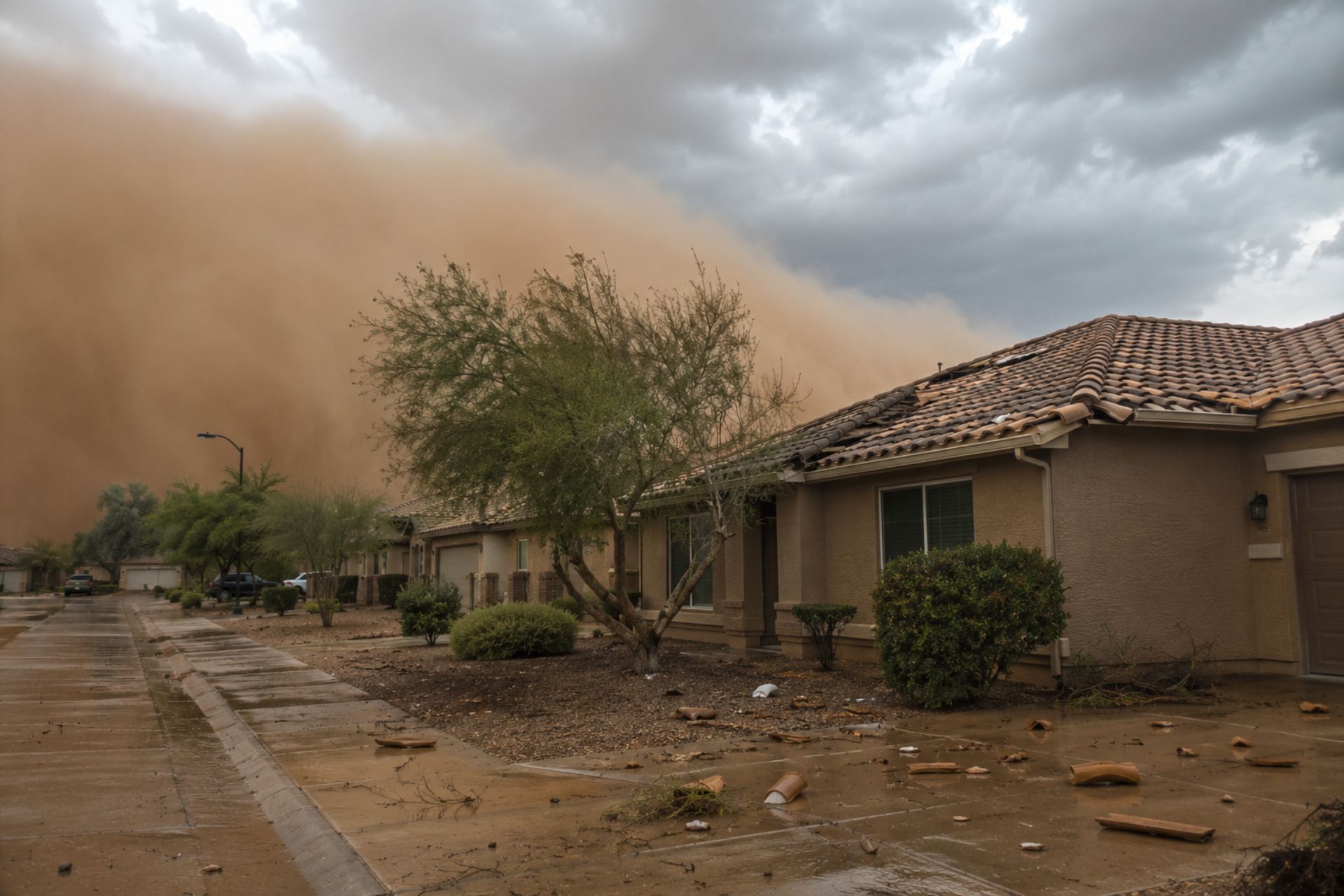
On top of the inherent risks, Arizona brings its own challenges. Heat, dust, and monsoon storms can all weaken insulation, corrode terminals, and damage dock infrastructure. Many marine technicians work in tight spaces on vessels, often with limited access and variable maintenance histories, which increases the chance of accidental property damage or injury on site.
For working technicians, this all translates into a simple reality. If something goes wrong around the water, the resulting claim is rarely small. Liability, equipment, and injury exposures stack quickly, so insurance needs to be built with those possibilities in mind rather than treated as a basic add on.

How Arizona’s Electrical Market Shapes Coverage Needs
Insurance carriers look closely at state level trends when they price and structure policies. For Arizona electricians, that context is shifting. Between 2020 and 2025, the number of electrician businesses in the state has grown at an average annual rate of about 3.8 percent, according to one analysis of Arizona commercial electrician operations from a regional business insurance specialist. More contractors, more competition, and more job sites all feed into the insurance picture.
As the trade expands, insurers see a higher volume of claims, but they also see more variation in how work is performed. Some marine electricians specialize in full refits, generator work, or shore power projects. Others handle quick dockside repairs, lighting, or electronics. Underwriting has started to reflect this by asking more detailed questions about the mix of work, vessel sizes, and where the jobs take place.
For a marine technician, the takeaway is practical. Being specific about how much work happens on water, on docks, in shipyards, or in general commercial settings can make a real difference in how policies are priced and what exclusions appear in the fine print.
Core Insurance Coverages Every Marine Electrician Should Know
Marine electricians in Arizona usually start with the same foundational policies as any other electrical contractor. The difference is in the details: limits, endorsements, and the way marine exposures are handled. Understanding the major coverage areas makes it easier to spot gaps before a claim exposes them.
General Liability
General liability is the backbone of most contractor insurance programs. It responds when a client, marina, or bystander alleges property damage or bodily injury caused by the electrician’s work. For marine technicians, this might involve a fire traced back to a wiring job, a damaged vessel circuit, or someone getting hurt because a panel was left open in a work area.
The key is making sure the policy does not exclude work on or over water, docks, or marinas. Some standard contractor policies are written with land based risks in mind and may quietly carve out marine related operations. Reviewing those sections with a broker and asking direct questions about boat, dock, and pier work can prevent unwelcome surprises.
Workers Compensation
Any marine electrician with employees needs workers compensation. It pays medical bills, lost wages, and related benefits when a worker is injured on the job. Marine work raises the stakes here because technicians are often bending, climbing, kneeling, and lifting in cramped spaces, sometimes in hot weather or on unstable surfaces.
Even solo technicians should check state rules on when coverage becomes mandatory and consider the risk of injury for anyone who occasionally assists on projects. A fall from a dock, a back injury moving heavy equipment, or an electric shock can sideline a worker and place serious financial strain on a small operation.
Commercial Property And Tools
Most marine electricians own a mix of high value tools, diagnostic gear, and sometimes shop or office space. Commercial property coverage can protect buildings, office contents, and shop inventory, while an inland marine or tool floater policy can follow equipment to marinas, boatyards, and lakeside job sites.
Salt, moisture, and rough handling all take a toll on electrical tools in marine environments. Without the right mobile equipment coverage, a theft from a truck or a toolbox knocked into the water can become an out of pocket expense instead of an insured loss.
Professional Liability And Errors Coverage
Marine electrical systems are complex, especially on larger vessels with navigation electronics, generators, inverters, and multiple power sources. When something is wired incorrectly or a specification is missed, the damage might not be visible right away. Professional liability coverage, sometimes called errors and omissions, is designed for these kinds of alleged mistakes in design, advice, or technical judgment.
For marine electricians offering consulting, design build services, or detailed troubleshooting on high value vessels, this coverage can be as important as general liability. It adds a layer of protection once a client claims that the electrician’s recommendations or schematics, not just physical work, caused a financial loss.

Marine Specific Risks Around Boats, Marinas, And Docks
Working around water changes almost every aspect of electrical risk. Boats vibrate, flex, and corrode in ways buildings do not. Shore power systems are exposed to spray, ultraviolet light, and constant plugging and unplugging, which can loosen terminals and damage insulation.
For technicians, that means many claims stem from conditions that developed long after the job was finished. A connector that was safe when installed can become hazardous once moisture wicks into a cable or a dock settles unevenly. Good documentation, including photos and clear notes on the condition of existing systems, can help defend against claims that emerge much later.
Marinas and boatyards also introduce additional third party risks. Crowded walkways, unfamiliar ladders, fuel lines, and tight access routes create more chances for someone to trip, slip, or bump into tools and materials. Safety practices and site specific planning matter just as much as the wiring itself.
What Coverage Typically Costs For Arizona Electricians
While each marine electrician’s premium depends on revenue, payroll, claims history, and exact operations, broader electrical industry cost data offers a useful benchmark. Across the country, one detailed cost study found that electrical business insurance can range from roughly 591 to 2,327 dollars per year on average, depending on the type of coverage, the state, and the sub industry involved according to an analysis of electrical insurance pricing. Marine specialists usually fall toward the higher end of any range, simply because of the added risk around water and high value property.
Arizona marine electricians should also remember that the mix of policies matters as much as the sticker price. A bare bones package might include only general liability and a small tool floater, while a more complete set adds workers compensation, commercial auto, professional liability, and coverage for leased or rented equipment. Looking only at the total premium without understanding what it buys can lead to being underinsured when a serious claim hits.
To make the tradeoffs clearer, it helps to look at the major coverage types side by side.
| Coverage Type | What It Protects erage that helps | Why It Matters For Marine Electricians |
|---|---|---|
| General Liability | Claims of bodily injury or property damage from your work | Responds to fires, damaged vessels, dock incidents, and other third party losses tied to your operations |
| Workers Compensation | Employee injuries, medical bills, and wage replacement | Covers crew members hurt on docks, in yards, or on board during electrical work |
| Commercial Property | Buildings, office contents, and shop equipment | Protects a fixed shop where panels are built, gear is stored, or admin work is done |
| Inland Marine / Tool Floater | Mobile tools and equipment away from your shop | Follows testers, hand tools, and specialty gear to marinas, boatyards, and remote launch sites |
| Professional Liability | Alleged mistakes in design, advice, or technical judgment | Addresses claims that a wiring plan, load calculation, or equipment recommendation caused a financial loss |
| Business Owners Policy | Bundled general liability and property, often with extras | Useful for smaller firms that want a single policy for basic liability and premises coverage |
Marine specialists can use a table like this as a checklist when comparing quotes. The goal is not to buy everything possible, but to match coverage to the actual work being done, the value of tools and vehicles, and the kinds of clients served.
Why Marine Electrician Premiums Keep Rising
Many electricians have noticed their renewals creeping up even when their claim history stays clean. Industry reporting backs this up. Over the past decade, annual reports indicate that many electricians have seen average premium increases in the range of roughly 5 to 15 percent, even without major losses on their own record according to a review of electrician insurance trends. Marine contractors feel these changes acutely because they already sit in a higher risk category.
Part of the pressure comes from broader economic forces. From 2013 to 2022, one industry research group estimated that rising inflation alone drove insurer losses higher by roughly 35 to 44 billion dollars, which translated into an increase of about 19 to 24 percent in those loss figures as reported in an insurance industry analysis. When claim costs and repair bills climb that quickly, premiums often follow.
For marine electricians, there is another factor at work. Boats, electronic systems, and marina infrastructure have become more sophisticated and more expensive to repair. A small wiring issue can now damage complex navigation systems, battery banks, or control modules. That extends claim severity, which insurers must account for in pricing, especially when work takes place on high value vessels.
Building An Insurance Package That Fits Marine Work
No two marine electricians in Arizona run exactly the same business. Some focus on freshwater marinas and smaller recreational boats. Others handle larger vessels in commercial yards, government contracts, or specialty industrial work. Insurance should be built from the ground up to match that real world mix.
A practical starting point is to map out where and how work happens during a typical week. List how much time is spent on docks, on board boats, in a fixed shop, on commercial premises, and on the road between sites. Then layer in factors like subcontractor use, after hours emergency calls, and the value of tools kept in vehicles overnight. This exercise helps identify which policies deserve higher limits or special endorsements.
It is wise to bring this picture to an insurance professional who is familiar with electrical and marine exposures. When underwriters can see a clear breakdown of operations, they can often tailor coverage more effectively and avoid blunt exclusions that do not fit the actual work. Being transparent about the riskiest parts of the business tends to produce better long term results than trying to minimize them on an application.
Risk Management Steps That Support Better Coverage
Insurance is only one part of managing risk. For marine electricians, day to day habits and systems do at least as much to prevent claims as any policy language. Well run operations often use their safety record as leverage when negotiating terms and pricing.
Regular equipment inspection is a good starting point. Testers, meters, extension cords, and protective gear should be checked frequently, with damaged items taken out of service quickly. On docks and boats, where footing is uncertain and space is limited, keeping tools in good condition can prevent shocks and trip hazards.
Documentation is just as important. Keeping job notes, change orders, and photos of existing conditions creates a clear record of what was and was not part of the electrician’s scope. When a problem shows up months later, that file may be the difference between a denied claim and a paid one, or even whether a suit is filed at all.
Insurance Tips For Solo Technicians And Growing Crews
Marine electricians often start as one person operations, then gradually add helpers and employees. Insurance needs change at each step. A solo technician might rely heavily on general liability, tools coverage, and personal or commercial auto. Once employees enter the picture, workers compensation and stronger safety programs quickly come into play.
Subcontractors add another layer. If a marine electrician uses independent helpers for portions of a job, contracts should clearly outline who carries which coverages and at what limits. Certificates of insurance are helpful, but they need to be current and verified. Many marinas and commercial clients also require being listed as an additional insured, so building that into standard agreements can avoid delays at the job start.
Growing crews should review their policies at least annually, not just when a renewal bill arrives. Changes in payroll, new types of work, or expansion into new locations can all shift the risk profile. Bringing those updates to an insurance advisor proactively makes it easier to adjust coverage before a loss exposes gaps.
Frequently Asked Questions About Arizona Marine Electrician Insurance
Marine electricians often share similar concerns when they start thinking seriously about insurance. These short answers cover common starting points and can help frame a more detailed conversation with a broker or agent.
Is marine electrician insurance different from regular electrical contractor insurance?
Often, yes. Many standard electrical contractor policies are designed for work on land and may exclude or limit coverage for operations on boats, docks, or marinas. Marine electricians should confirm that their policies specifically allow for work in and around water and on vessels.
Do I need workers compensation if I only hire helpers occasionally?
Rules vary by state, and Arizona has its own thresholds for when workers compensation becomes mandatory. Even when it is not strictly required, anyone doing physical work for the business, even on a part time or temporary basis, can be injured, and workers compensation is usually the cleanest way to handle those claims.
Will my tools be covered if they are stolen from a truck at a marina?
Not always. Some policies limit coverage to tools stored at your primary business location, while others extend protection to vehicles and job sites through a tool floater or inland marine form. Marine electricians should verify where their tools are covered and whether theft from vehicles is included or excluded.
Does professional liability really matter for hands on electrical work?
It can. Marine electrical jobs often involve design decisions, equipment recommendations, and troubleshooting that go beyond simple labor. Professional liability is designed to respond to claims that those technical judgments caused a financial loss, even if there was no direct physical damage.
Can I work on boats with a general liability policy that does not mention marine work?
That is risky. If a policy was rated and written for land based electrical work, an insurer might deny a claim tied to a vessel or dock, especially if marine operations are excluded in the policy language. It is safer to disclose all boat, dock, and marina work and ensure the policy is written with those activities in mind.
How often should a marine electrician review insurance coverage?
At least once a year, and any time there is a significant change in operations, equipment, or staffing. New types of jobs, larger vessels, or new locations can all alter the risk profile and may require different limits or endorsements.
Before You Head Back To The Dock: Key Takeaways For Arizona Marine Electricians
Marine electrical work in Arizona carries higher stakes than standard land based projects, and insurers price that reality into their coverage. One national pricing analysis found that electrical business insurance can span a wide range, with marine specialists often trending toward the upper end, while another study of Arizona electricians placed the average monthly general liability premium for electrical businesses around 113 dollars, or about 1,353 dollars per year, for basic coverage levels in the state based on an in depth review of electrical insurance costs. For marine technicians, that starting point usually needs to be expanded with workers compensation, tool coverage, professional liability, and careful attention to water related exclusions.
The most effective insurance strategies for marine electricians share a few traits. They accurately describe how and where work happens, they blend several complementary policies rather than relying on a single basic option, and they are paired with strong safety and documentation practices on the water and in the shop. With that foundation in place, Arizona marine electricians can focus on their craft knowing that a serious claim is less likely to capsize the business.
About The Author:
Taylor Whatcott
As President of Wilde Wealth Insurance Services, I’m committed to providing trusted protection for both families and businesses across Arizona. Our independent team works with top-rated carriers to deliver tailored, comprehensive coverage—making insurance simple, accessible, and hassle-free.
Contact Us
Commercial Coverage Solutions
Protect Your Business with the Right Insurance
We offer customized insurance solutions to safeguard your business from financial risks. Our policies provide protection for property, employees, and liability concerns.
Commercial Property Insurance
Safeguards buildings, equipment, and inventory from damage or loss.
Professional Liability Insurance
Covers claims of negligence, errors, or omissions in services.
Cyber Liability Insurance
Protects against data breaches, cyberattacks, and online threats.
Who We Protect
Insurance Solutions for Your Industry
We specialize in providing tailored coverage for businesses in key industries. Our policies are designed to meet industry-specific risks and ensure complete protection.




Protection for Your Home & Assets
Reliable Coverage for Life’s Unexpected Moments
We provide personal insurance solutions designed to safeguard your home, vehicle, and financial well-being. Our policies ensure you and your loved ones are protected.







What Our Clients Say
Real Feedback. Real Confidence.
FAQs
Answers to Common Insurance Questions
How do I know which insurance coverage is right for me?
Choosing the right insurance depends on your personal or business needs. Our team evaluates your risks and recommends tailored coverage to protect what matters most.
We work with multiple carriers to provide different policy options. This allows you to compare benefits, limits, and pricing to make an informed choice.
If you’re unsure, we’ll walk you through the options step by step, ensuring you understand your coverage and feel confident in your decision.
Why should I choose an independent insurance agency like Wilde Wealth?
As an independent agency, we are not tied to a single insurance provider. This means we can compare multiple policies to find the best coverage at the best price.
Our goal is to advocate for you, ensuring you receive personalized service and expert advice tailored to your situation.
Unlike direct insurers, we offer ongoing support, helping you with claims, policy changes, and future coverage needs.
Can I bundle multiple insurance policies to save money?
Yes! Bundling policies like home and auto can lead to significant savings. Many carriers offer discounts for combining multiple coverages.
Bundling also simplifies policy management, with a single point of contact and streamlined renewals.
We help you explore bundling options to ensure you get the best value while maintaining the protection you need.
What factors affect my insurance rates?
Insurance rates are influenced by factors such as coverage limits, location, claims history, and risk exposure. Personal insurance may consider credit scores, driving history, and home value.
For businesses, factors like industry type, employee count, and annual revenue can impact pricing. Each carrier evaluates risk differently.
We shop multiple providers to find the best balance of coverage and cost, ensuring you don’t overpay while staying fully protected.
How does Wilde Wealth Insurance Services help business owners?
We provide customized business insurance solutions to protect against liability, property damage, employee-related risks, and cyber threats.
Our team works with a range of industries, including contractors, restaurants, and real estate professionals, to offer tailored policies.
From small startups to established enterprises, we help business owners minimize risks and keep operations running smoothly.
What happens if I need to file a claim?
Filing a claim is simple with our support. Contact us first, and we’ll guide you through the process, ensuring all necessary information is submitted correctly.
We work directly with your insurance carrier to expedite the claim, keeping you informed at every step.
Our team is here to advocate for you, making sure you receive a fair and timely resolution.
Latest Articles & Insights
Stay Informed with Expert Insurance Advice
We provide valuable insights to help you make informed insurance decisions. Explore our latest articles on coverage options, industry trends, and risk management tips.



Contact Us