
Arizona Heavy Equipment Rental Insurance
See How We're Different:
or Call Us:(480) 526-3222
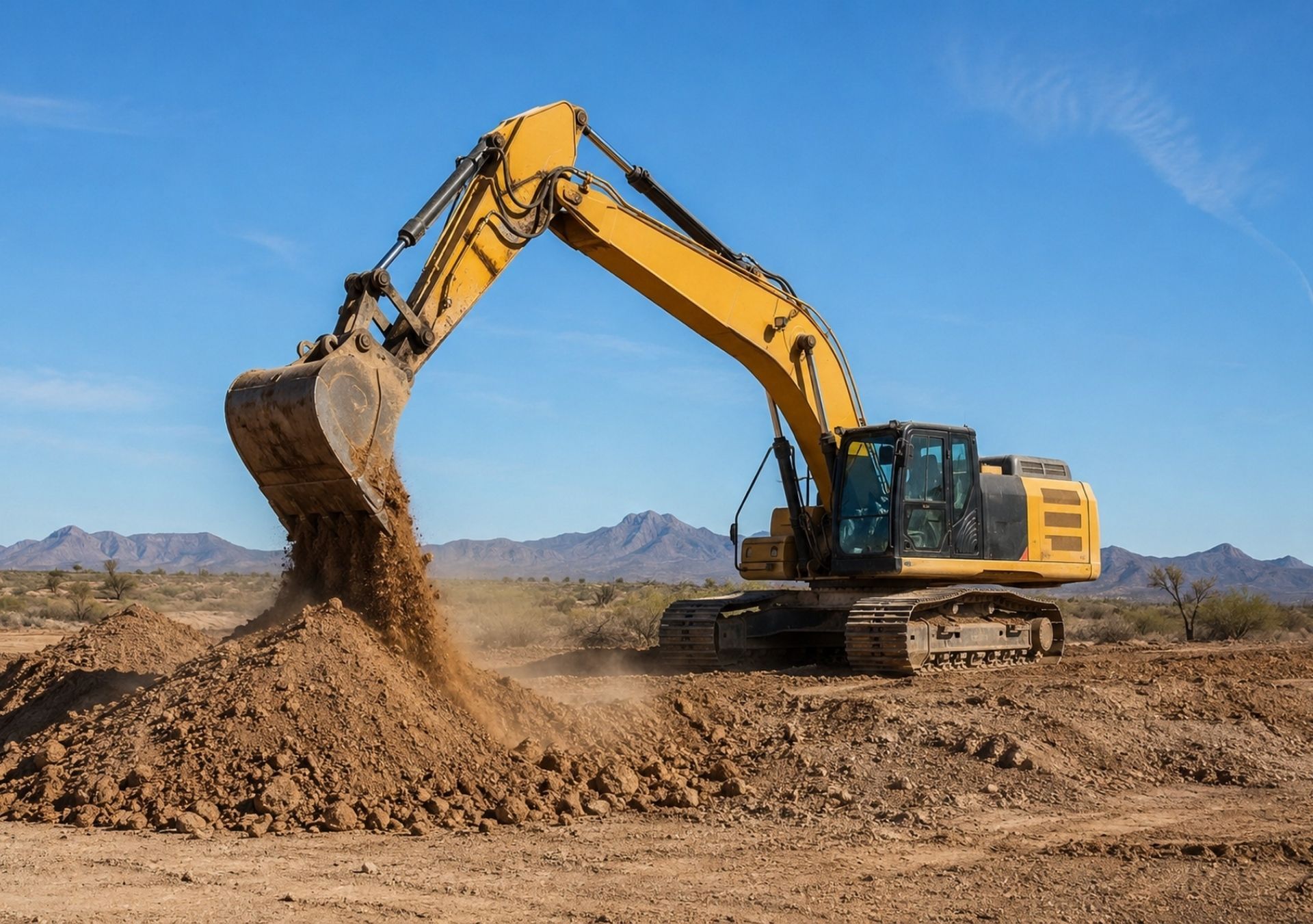
Renting heavy equipment without an operator is standard practice for Arizona contractors, but the insurance side of that arrangement trips up even experienced professionals. You're responsible for a machine worth $50,000 to $500,000 or more, and the rental agreement puts the financial risk squarely on your shoulders. A single dust storm, a hydraulic failure in 115-degree heat, or a theft from a remote desert jobsite can turn a profitable project into a financial disaster overnight.
This guide to Arizona heavy equipment rental insurance for contractors breaks down what you actually need, what the rental yard expects, and where most people waste money or leave dangerous gaps. Whether you're renting an excavator for a two-week grading job in Tucson or running a fleet of rented skid steers across multiple Phoenix metro sites, the right insurance structure protects both your business and your bottom line. Arizona's climate, geography, and regulatory environment create risks you won't find in most other states, and your coverage needs to reflect that reality. Understanding these risks before you sign a rental contract saves you from costly surprises when something goes wrong on the jobsite.
Understanding Rental Equipment Insurance Requirements in Arizona
Arizona doesn't mandate a single statewide insurance requirement for rented construction equipment, but a patchwork of liability standards, municipal codes, and rental yard contracts creates a complex set of obligations. Most contractors discover these requirements the hard way: at the rental counter, when they're told they can't take a machine without proof of coverage.
The state does require general liability insurance for licensed contractors, and most rental companies layer their own requirements on top of that baseline. Getting this wrong doesn't just mean losing a rental deposit. It can mean losing your contractor's license.
State-Specific Liability Standards for Contractors
Arizona's Registrar of Contractors requires active liability insurance for all licensed contractors, with minimum limits that vary by license classification. Residential contractors typically need at least $100,000 in coverage, while commercial contractors often carry $500,000 or more. These minimums apply to your general operations, but they rarely cover damage to rented equipment itself.
The state also holds contractors strictly liable for environmental damage caused by their operations. If a rented piece of equipment leaks hydraulic fluid on a site near a protected waterway, you're on the hook for cleanup costs regardless of whether the leak was caused by a mechanical defect. Arizona's environmental enforcement has grown more aggressive in recent years, making pollution liability a real concern for equipment operators working near washes, riverbeds, or tribal lands.
Common Rental Yard Insurance Requirements
Rental companies in Arizona almost universally require a Certificate of Insurance before releasing equipment. Most major yards, including national chains and local operations, want to see proof of general liability with limits of at least $1 million per occurrence and $2 million aggregate. They also want to be listed as an additional insured and loss payee on your equipment coverage.
Some rental yards require inland marine or equipment floater coverage specifically naming the rented machinery. If you can't produce this documentation, you'll be pushed toward the rental company's own damage waiver, which is almost always more expensive and less comprehensive than a standalone policy.
Essential Coverage Types for Heavy Machinery
Choosing the right insurance for rented heavy equipment isn't a one-size-fits-all decision. The type of policy, duration, and specific endorsements you need depend on the equipment, the project, and your existing coverage portfolio.
Inland Marine and Equipment Floater Policies
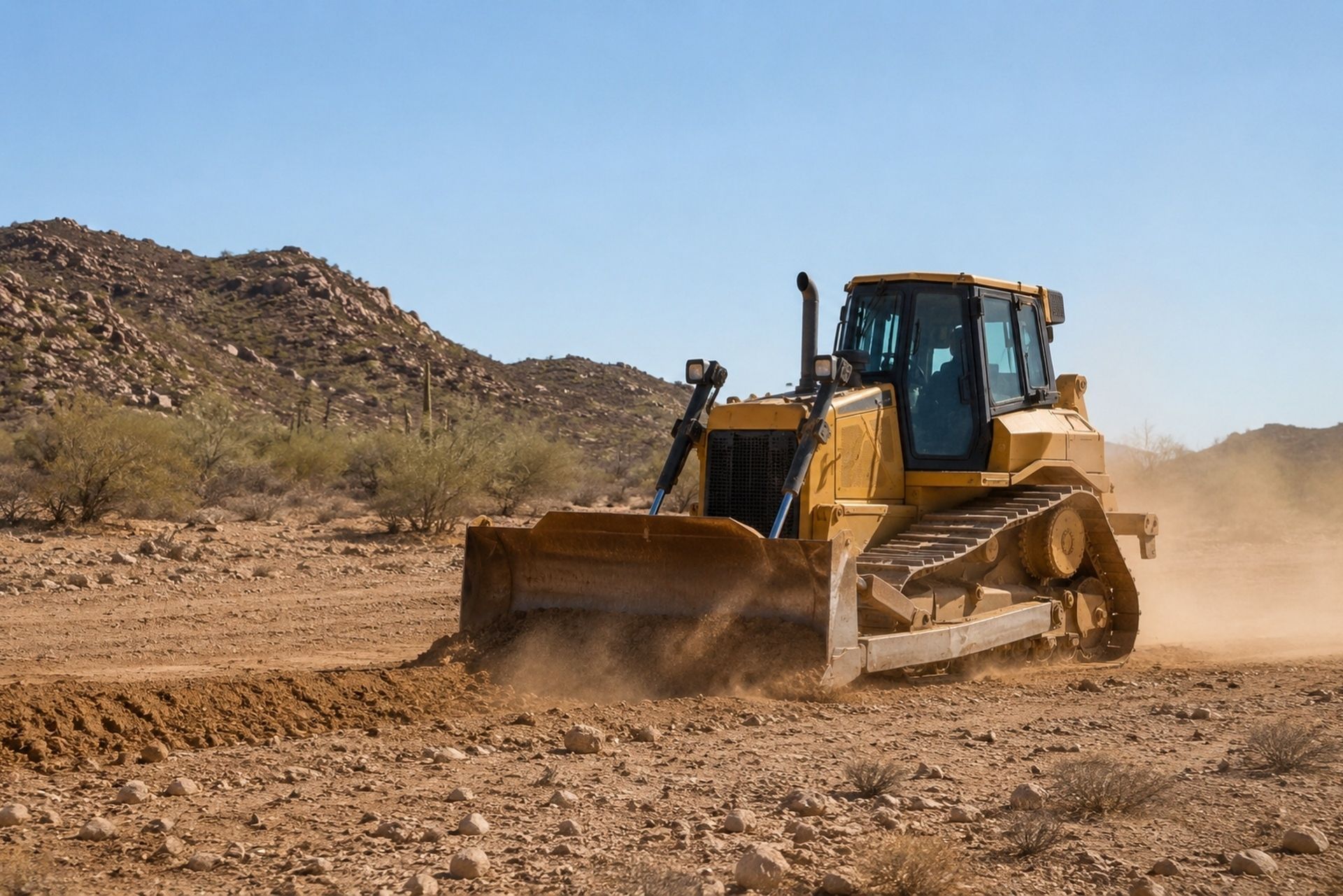
Inland marine insurance is the workhorse policy for rented construction equipment. Despite its nautical name, this coverage protects movable property, including bulldozers, excavators, cranes, and compactors, while they're in transit or on a jobsite. An equipment floater is a specific type of inland marine policy designed for machinery you don't own but are responsible for.
These policies typically cover theft, vandalism, fire, collision, and weather damage. They can be written to cover a single piece of equipment or a scheduled list of machines. Deductibles usually range from $1,000 to $5,000, and premiums are calculated as a percentage of the equipment's total insured value, often between 1% and 3% annually.
General Liability vs. Rented Equipment Coverage
Your general liability policy and your rented equipment coverage serve different purposes. Here's how they compare:
| Feature | General Liability | Rented Equipment Coverage |
|---|---|---|
| Covers bodily injury to third parties | Yes | No |
| Covers property damage to others | Yes | No |
| Covers damage to the rented machine | No | Yes |
| Covers theft of rented equipment | No | Yes |
| Required by rental yards | Yes | Usually yes |
| Typical minimum limits | $1M/$2M | Equipment value |
A common mistake is assuming your general liability policy covers damage to rented equipment. It doesn't. You need both policies working together to avoid a gap that could cost you tens of thousands of dollars.
Short-Term vs. Annual Rental Policies
If you rent equipment once or twice a year, a short-term or per-project policy makes financial sense. These policies cover a specific machine for a defined rental period, and premiums reflect the shorter exposure window. For a $200,000 excavator rented for 30 days, expect to pay somewhere between $400 and $1,200 depending on your claims history and the coverage limits.
Contractors who rent equipment regularly, say more than four or five times per year, should consider an annual equipment floater with a blanket limit. This approach covers any rented equipment up to a specified value without needing to add each machine individually. The annual premium is higher upfront, but the per-rental cost drops significantly, and you avoid the administrative hassle of securing new coverage for every project.
Addressing Arizona Environmental and Climate Risks
Arizona's environment is uniquely hostile to heavy machinery. The combination of extreme heat, abrasive dust, monsoon flooding, and remote jobsite locations creates a risk profile that insurers and contractors both need to take seriously.
Dust, Heat, and Extreme Weather Damage
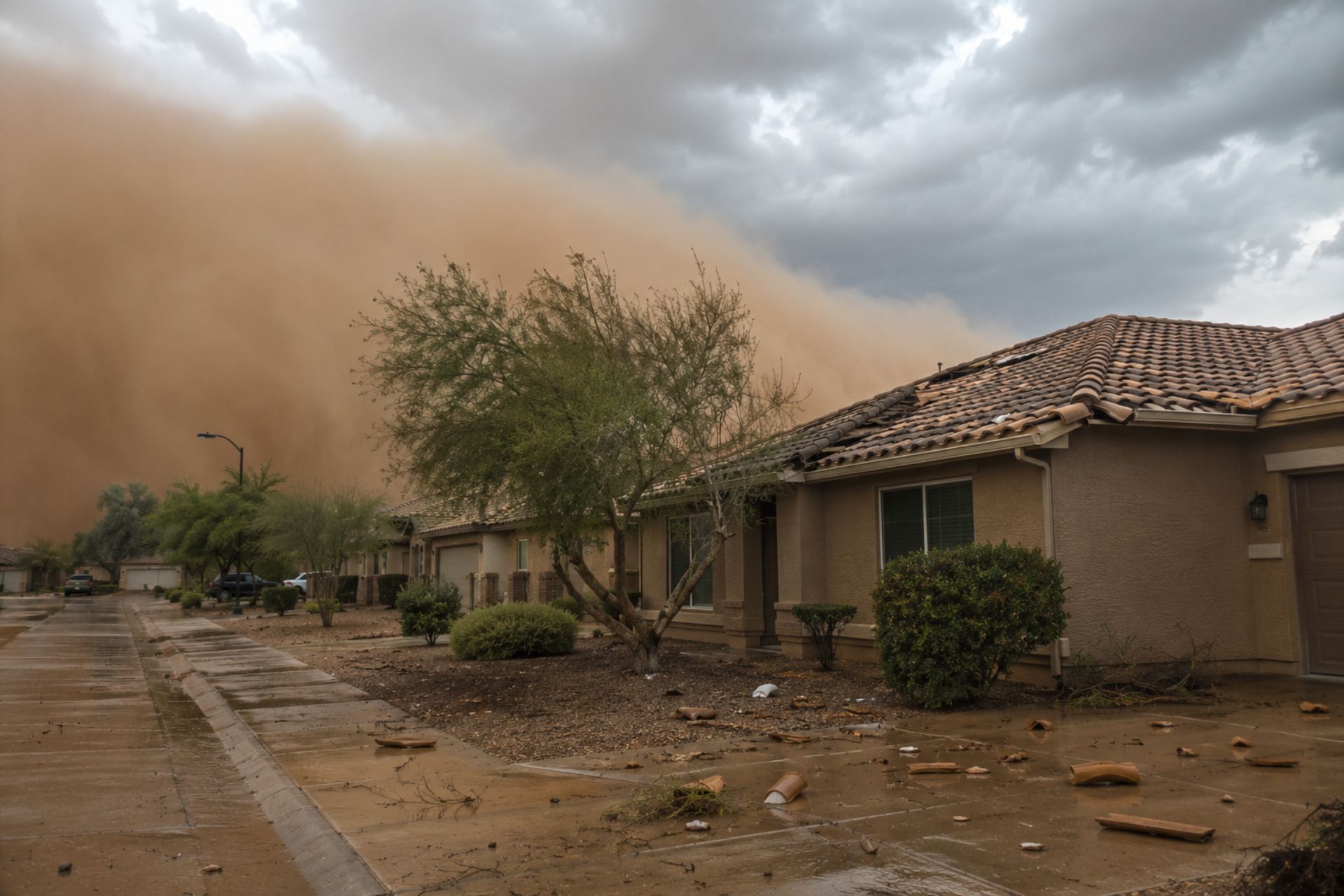
Arizona's extreme heat regularly exceeds 110°F, and this contributes to a 35% increase in heat-related equipment claims compared to the national average. Hydraulic lines crack, engine components warp, and electrical systems fail at higher rates during summer months. Dust infiltration is another constant threat: fine particulate from desert soil works its way into filters, bearings, and seals, accelerating wear on rented machines.
Monsoon season, running from June through September, brings sudden flash floods that can submerge equipment parked in low-lying areas. Standard equipment floater policies cover flood damage, but some cheaper policies exclude it. Always confirm that your policy explicitly includes flood, dust damage, and heat-related mechanical failure. If your insurer tries to classify heat damage as "wear and tear" rather than a covered peril, you'll face a denied claim.
Theft and Vandalism Protection on Remote Jobsites
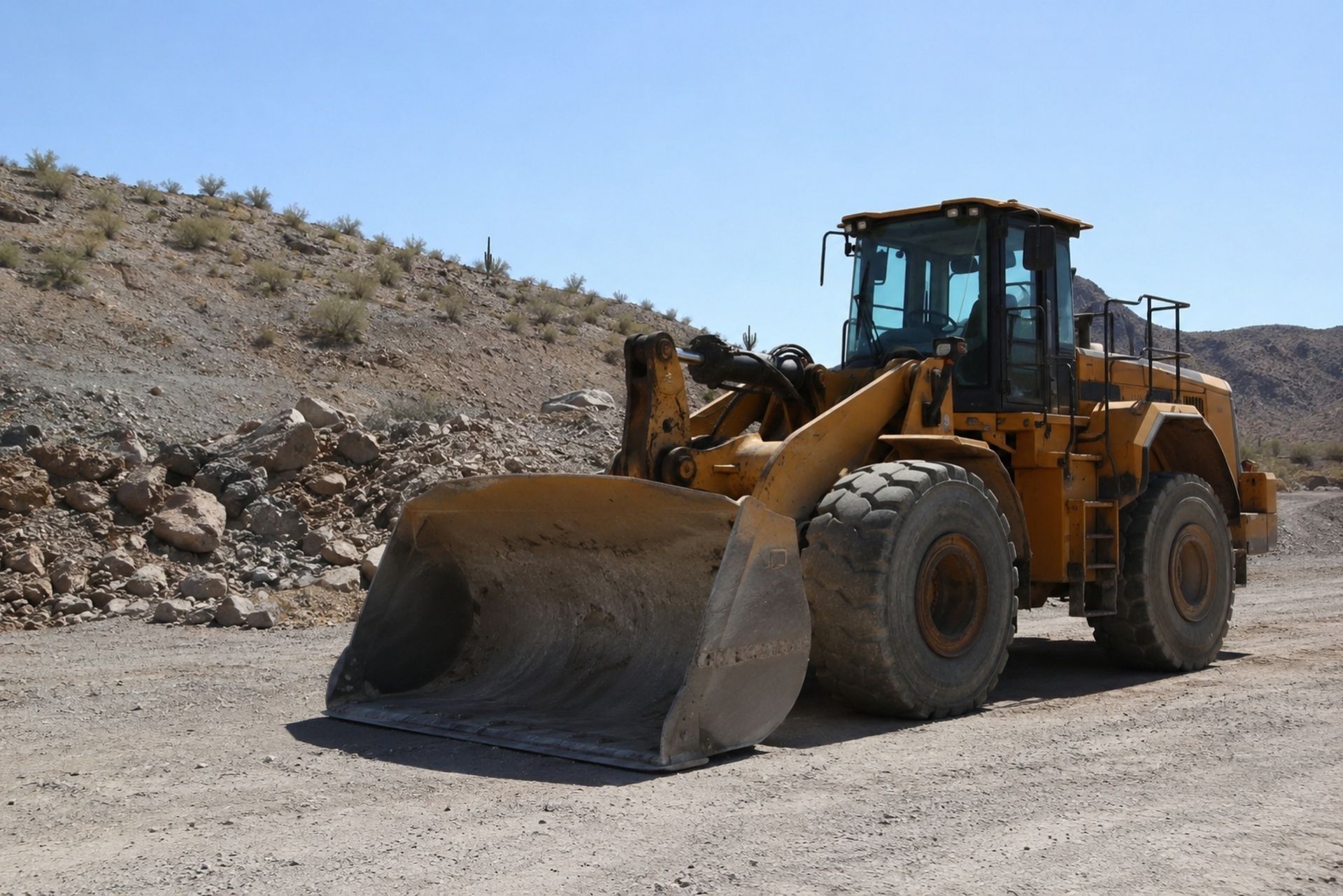
Construction equipment theft is a persistent problem across the Southwest, and Arizona's vast, sparsely populated areas make remote jobsites especially vulnerable. A rented excavator left on an unguarded site outside Kingman or along the I-10 corridor between Tucson and Phoenix is an attractive target.
Your rented equipment policy should cover theft with no exclusions for unattended machinery. Some policies require you to demonstrate "reasonable security measures," such as GPS tracking, locked ignition systems, or fenced storage. Installing a GPS tracker on rented equipment, even if the rental company doesn't require it, can reduce your premiums and dramatically improve recovery rates if a machine is stolen.
Financial Benefits of Third-Party Insurance vs. Damage Waivers
The insurance decision most contractors face at the rental counter is whether to buy the rental company's damage waiver or rely on their own third-party policy. This choice has real financial consequences, especially on longer projects.
Limitations of Rental Center Damage Waivers
Rental company damage waivers aren't insurance policies. They're contractual agreements that limit your financial responsibility if the equipment is damaged, but they come with significant restrictions. Most waivers don't cover theft, don't cover damage from "misuse" (a vaguely defined term), and don't cover loss of rental income while the machine is being repaired.
The cost is also steep. Damage waivers typically run 10% to 15% of the daily rental rate. On a $1,500-per-day crane, that's $150 to $225 per day just for the waiver, and you're still exposed to exclusions that could leave you paying for major repairs out of pocket.
Cost-Benefit Analysis for Long-Term Projects
For projects lasting more than a few weeks, third-party insurance almost always wins on cost. Consider a 90-day rental of a $300,000 hydraulic excavator. A damage waiver at 12% of a $900 daily rate costs $9,720 over the rental period. A standalone equipment floater for the same machine might cost $2,000 to $4,000 for the same period, with broader coverage and lower deductibles.
The savings scale with project duration and equipment value. Contractors working on Arizona's growing
infrastructure and commercial development projects often rent multiple pieces of equipment for six months or longer, making a blanket annual policy the most cost-effective approach by a wide margin.
Managing Claims and Compliance for Arizona Projects
Filing a claim on rented equipment is stressful enough without compliance gaps making things worse. A little upfront documentation saves enormous headaches if something goes wrong.
Documenting Equipment Condition and Use
Before you take possession of any rented machine, photograph and video every surface, every scratch, every dent, and every fluid level. Do the same when you return it. This documentation is your primary defense against inflated damage claims from rental companies.
Keep daily equipment logs that record operating hours, operator names, and any unusual performance issues. If a hydraulic cylinder fails on day 15 of a rental, your log showing the machine was already running rough on day 3 supports a claim that the failure was a pre-existing condition rather than operator error.
Certificate of Insurance (COI) Best Practices
Your COI is the document that proves you have coverage and satisfies the rental company's requirements. Request your COI from your insurer at least five business days before you need it. Rush requests lead to errors, and a COI with the wrong additional insured name or incorrect policy limits will delay your rental pickup.
Make sure your COI lists the rental company as both an additional insured and a loss payee. Keep digital and physical copies on the jobsite. If your policy renews mid-project, get an updated COI immediately. An expired certificate can trigger a breach of your rental agreement, even if your actual coverage is still active.
Frequently Asked Questions
Does my business auto policy cover rented heavy equipment? No. Business auto insurance covers licensed vehicles driven on public roads. Heavy equipment like excavators, bulldozers, and cranes requires a separate inland marine or equipment floater policy.
Can I use my own insurance instead of the rental company's damage waiver? Yes, and it's usually cheaper. Provide a COI showing adequate coverage, and most rental companies will waive their damage waiver requirement.
What happens if rented equipment is damaged by a monsoon flood? Most equipment floater policies cover flood damage, but verify this before signing your rental agreement. Some budget policies exclude flood or require a separate endorsement.
How much does rented equipment insurance cost in Arizona? Premiums typically run 1% to 3% of the equipment's insured value per year. A $200,000 machine might cost $2,000 to $6,000 annually to insure, depending on your claims history and coverage limits.
Do I need separate coverage for each piece of rented equipment? Not necessarily. A blanket equipment floater covers multiple machines up to a specified total value, which is more efficient if you rent frequently.
Securing the Right Policy for Your Contracting Business
Getting the right insurance for rented heavy equipment in Arizona comes down to three things: understanding what the rental yard requires, matching your coverage to Arizona's specific climate and theft risks, and choosing third-party insurance over damage waivers whenever the math supports it.
Don't wait until you're standing at the rental counter to figure out your coverage. Talk to an insurance broker who specializes in construction and understands Arizona's unique conditions. Ask them specifically about heat and dust exclusions, flood coverage during monsoon season, and theft provisions for remote sites. The right contractor insurance setup for equipment rentals protects your projects, your finances, and your reputation. A few hours spent getting your policy right now prevents weeks of dealing with denied claims later.
About The Author:
Taylor Whatcott
As President of Wilde Wealth Insurance Services, I’m committed to providing trusted protection for both families and businesses across Arizona. Our independent team works with top-rated carriers to deliver tailored, comprehensive coverage—making insurance simple, accessible, and hassle-free.
Contact Us
Commercial Coverage Solutions
Protect Your Business with the Right Insurance
We offer customized insurance solutions to safeguard your business from financial risks. Our policies provide protection for property, employees, and liability concerns.
Commercial Property Insurance
Safeguards buildings, equipment, and inventory from damage or loss.
Professional Liability Insurance
Covers claims of negligence, errors, or omissions in services.
Cyber Liability Insurance
Protects against data breaches, cyberattacks, and online threats.
Who We Protect
Insurance Solutions for Your Industry
We specialize in providing tailored coverage for businesses in key industries. Our policies are designed to meet industry-specific risks and ensure complete protection.

Protection for Your Home & Assets
Reliable Coverage for Life’s Unexpected Moments
We provide personal insurance solutions designed to safeguard your home, vehicle, and financial well-being. Our policies ensure you and your loved ones are protected.



What Our Clients Say
Real Feedback. Real Confidence.
FAQs
Answers to Common Insurance Questions
How do I know which insurance coverage is right for me?
Choosing the right insurance depends on your personal or business needs. Our team evaluates your risks and recommends tailored coverage to protect what matters most.
We work with multiple carriers to provide different policy options. This allows you to compare benefits, limits, and pricing to make an informed choice.
If you’re unsure, we’ll walk you through the options step by step, ensuring you understand your coverage and feel confident in your decision.
Why should I choose an independent insurance agency like Wilde Wealth?
As an independent agency, we are not tied to a single insurance provider. This means we can compare multiple policies to find the best coverage at the best price.
Our goal is to advocate for you, ensuring you receive personalized service and expert advice tailored to your situation.
Unlike direct insurers, we offer ongoing support, helping you with claims, policy changes, and future coverage needs.
Can I bundle multiple insurance policies to save money?
Yes! Bundling policies like home and auto can lead to significant savings. Many carriers offer discounts for combining multiple coverages.
Bundling also simplifies policy management, with a single point of contact and streamlined renewals.
We help you explore bundling options to ensure you get the best value while maintaining the protection you need.
What factors affect my insurance rates?
Insurance rates are influenced by factors such as coverage limits, location, claims history, and risk exposure. Personal insurance may consider credit scores, driving history, and home value.
For businesses, factors like industry type, employee count, and annual revenue can impact pricing. Each carrier evaluates risk differently.
We shop multiple providers to find the best balance of coverage and cost, ensuring you don’t overpay while staying fully protected.
How does Wilde Wealth Insurance Services help business owners?
We provide customized business insurance solutions to protect against liability, property damage, employee-related risks, and cyber threats.
Our team works with a range of industries, including contractors, restaurants, and real estate professionals, to offer tailored policies.
From small startups to established enterprises, we help business owners minimize risks and keep operations running smoothly.
What happens if I need to file a claim?
Filing a claim is simple with our support. Contact us first, and we’ll guide you through the process, ensuring all necessary information is submitted correctly.
We work directly with your insurance carrier to expedite the claim, keeping you informed at every step.
Our team is here to advocate for you, making sure you receive a fair and timely resolution.
Latest Articles & Insights
Stay Informed with Expert Insurance Advice
We provide valuable insights to help you make informed insurance decisions. Explore our latest articles on coverage options, industry trends, and risk management tips.


Contact Us