
Arizona Fire Alarm System Electrician Insurance
See How We're Different:
or Call Us:(480) 526-3222
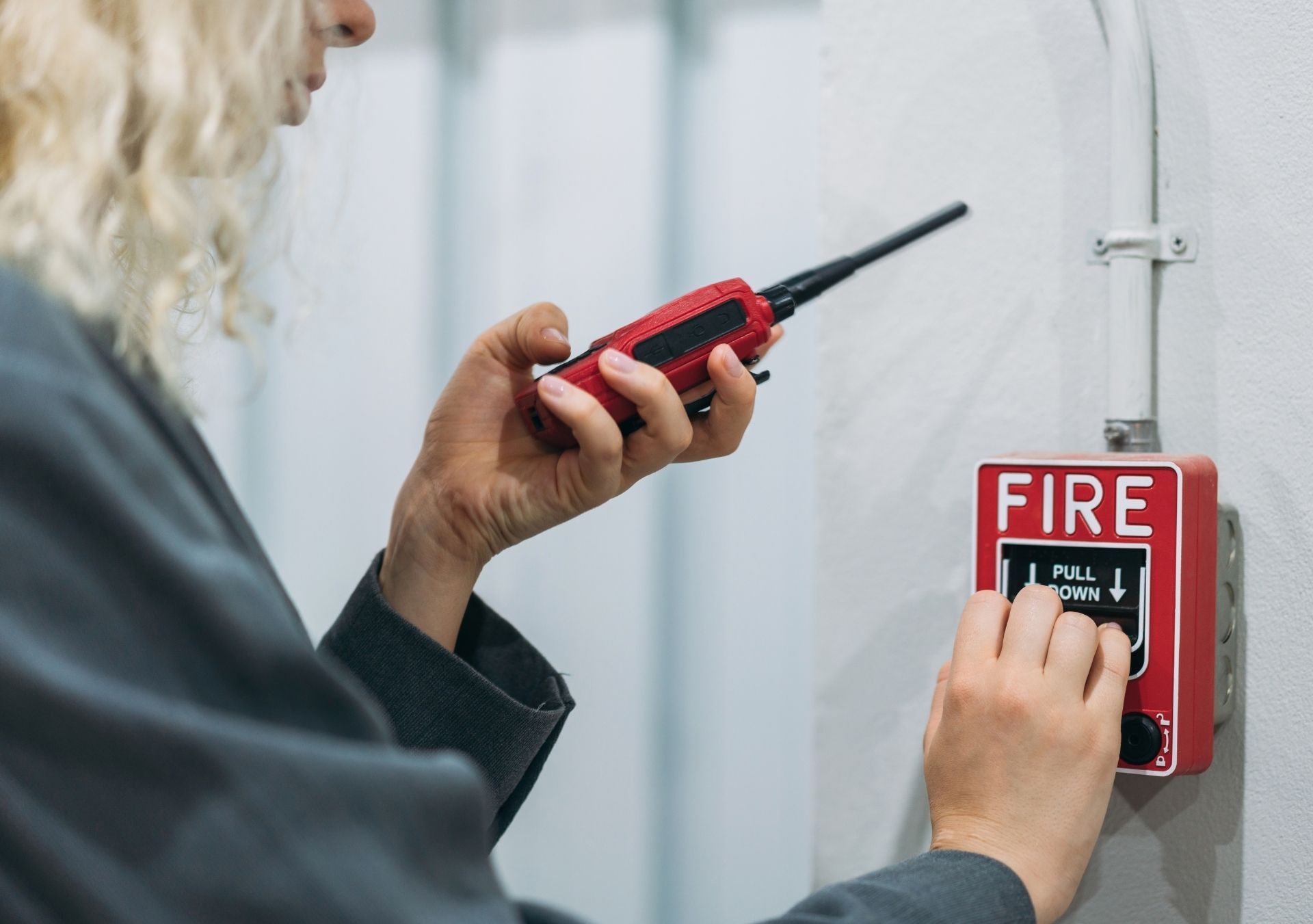
Picture a tenant improvement project in Phoenix where the fire alarm system is rushed at the end of the job. Months later, a small electrical fault grows into a smoky equipment fire. The alarm never transmits to the monitoring company because of a wiring mistake, and the building owner looks directly at the fire alarm contractor for answers and reimbursement. That is the exact moment when the quality of an Arizona fire alarm system electrician's insurance program is tested.
Fire alarm work sits at the intersection of electrical contracting, life safety, and strict building codes. Systems are expected to work at any hour, in every season, often long after the original installer has left the job. Many modern systems are replaced after roughly ten years in service, which reflects both hardware aging and steady code changes that demand upgrades
according to industry statistics on fire alarm system lifespan. Each replacement, retrofit, or service call brings its own set of liabilities that insurers pay close attention to.
What Arizona Fire Alarm System Electricians Actually Do, And Why Insurers Care
Fire alarm system electricians in Arizona rarely just pull wire. They interpret plans, mount devices, connect power and communication paths, program panels, and often coordinate with monitoring companies, sprinkler contractors, and building officials. The work involves low voltage circuits, but the consequences of an error can be far more serious than a typical lighting or receptacle circuit.
Insurers focus on the fact that these contractors touch life safety systems that must operate during fires, power failures, storms, and after years of tenant changes. When a detector is missed in a sleeping area, a notification appliance is left disconnected, or a communicator is not programmed correctly, a future fire can turn into a property or bodily injury claim. Even when there is no fire, repeated false alarms can drive claims for lost business, municipal fines, and disputes with building owners.
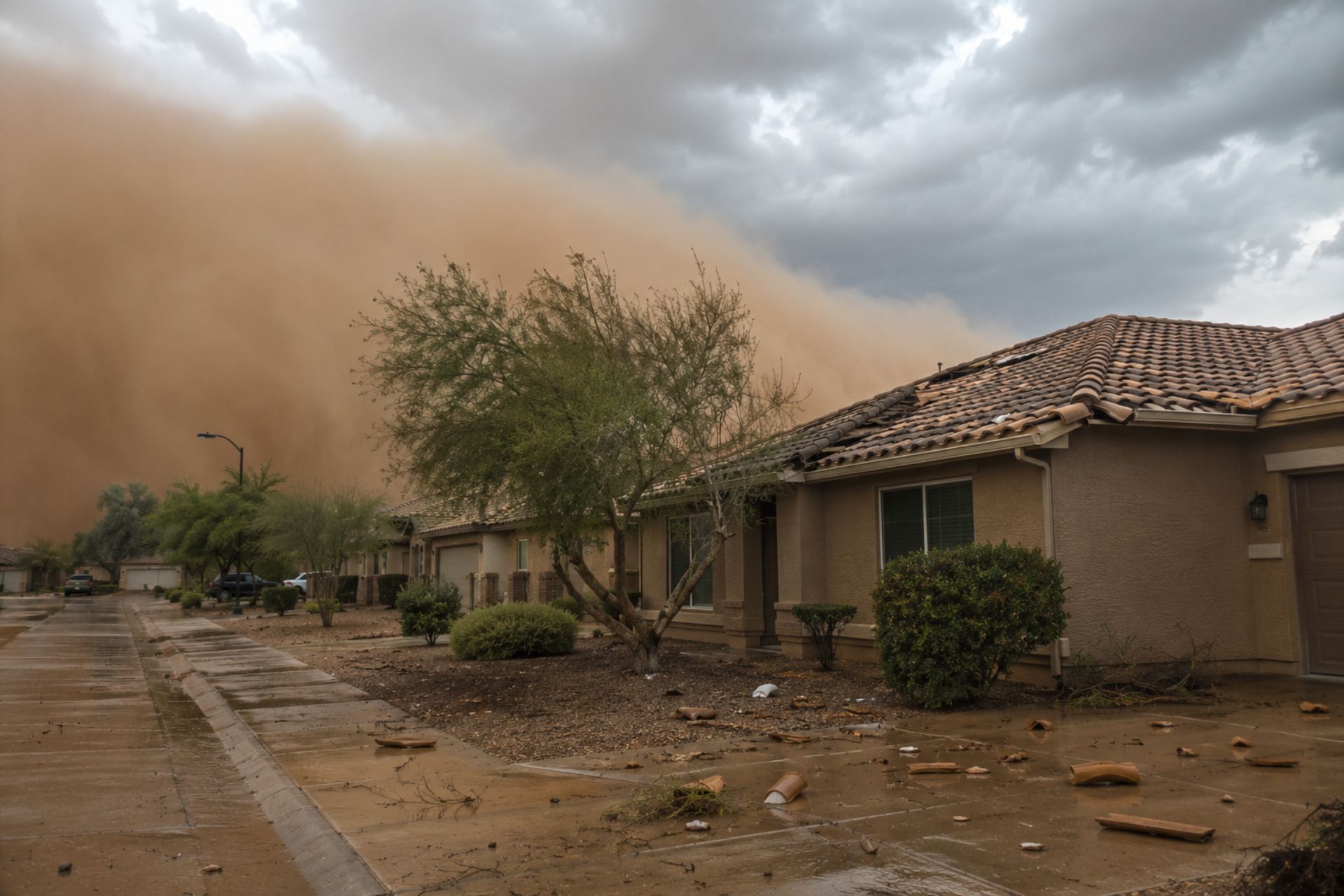
Arizona adds a few twists that carriers pay attention to. Desert dust and extreme heat are hard on smoke detectors and outdoor devices, which increases service and replacement frequency. Rapid growth in multifamily housing, senior living, and large distribution facilities also concentrates risk in a single project. All of this makes fire alarm work a specialty niche from an insurance perspective, not just another trade category.
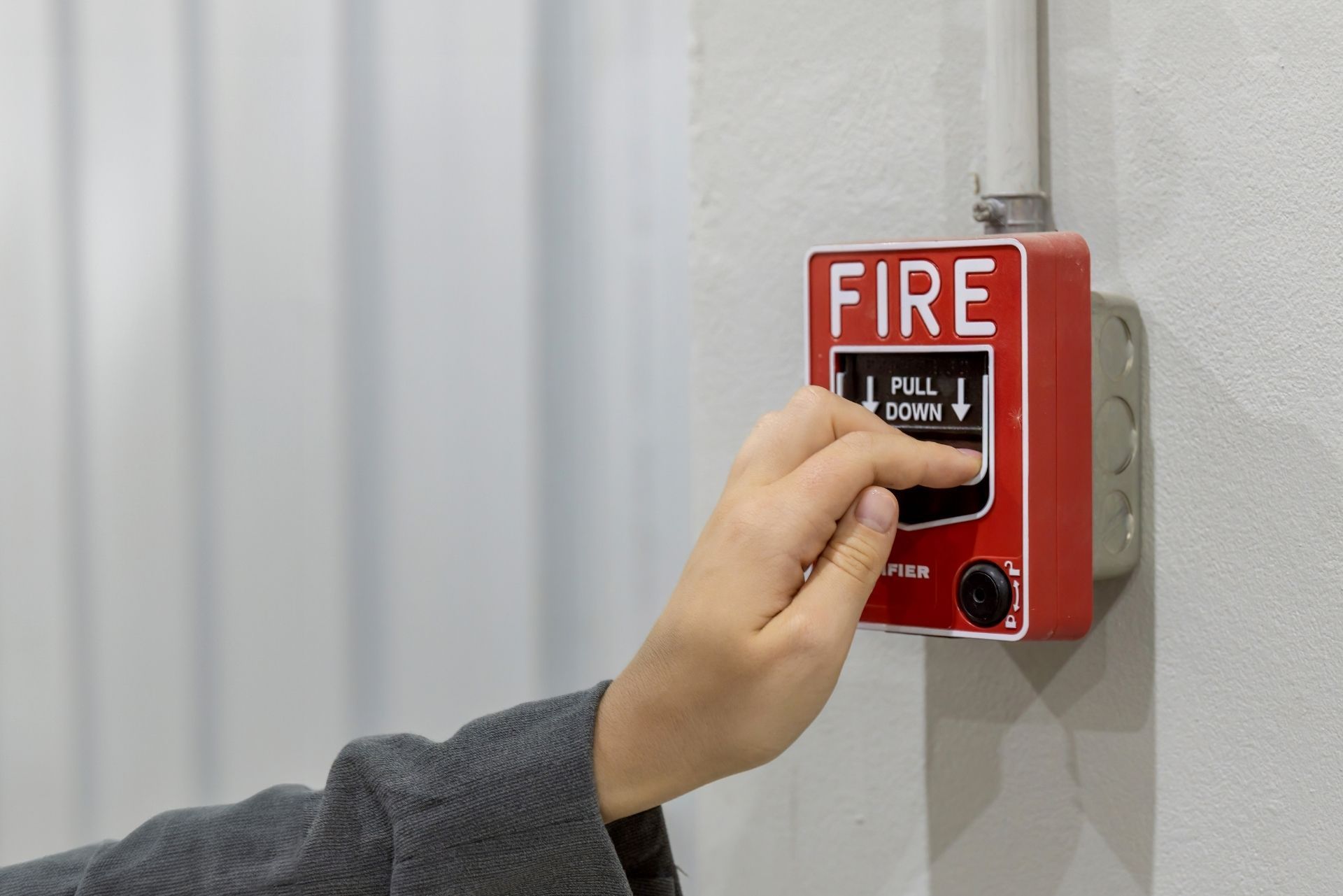
Core Insurance Policies Every Arizona Fire Alarm Electrician Should Consider
Most Arizona fire alarm contractors carry at least a handful of standard policies, but the details and limits can vary widely. Understanding what each policy is meant to address makes it easier to spot gaps before a serious claim shows up. The goal is to line up coverage with the real risks of design, installation, and ongoing service of fire alarm and related low voltage systems.
General liability is usually the starting point. It responds to third party bodily injury or property damage, such as a lift striking a car in the parking lot or a worker accidentally cracking a marble lobby floor while running conduit. For fire alarm work, the products and completed operations portion of general liability is especially critical, because that is what is called on when a system allegedly contributes to the severity of a fire long after the job is signed off.
Professional liability, often called errors and omissions, is the coverage that addresses purely economic losses that arise from design or specification mistakes. Fire alarm electricians who provide layout, device spacing, equipment selection, or code consulting are exposed here. If an engineer, architect, or owner alleges that a design error forced expensive rework or caused a failed inspection, professional liability coverage is what helps defend the claim and pay damages, subject to policy terms.
| Key fire alarm risk | Insurance coverage that helps |
|---|---|
| System fails to operate correctly during a fire | General liability with strong products and completed operations coverage, plus professional liability if design is involved |
| Costly rework after failed inspection or design conflict | Professional liability and carefully structured contract terms |
| Injury to a technician while installing or servicing a system | Workers compensation coverage for employees |
| Theft or damage to tools, testers, and inventory in transit | Contractor's equipment and installation floater, often part of inland marine coverage |
| Auto accidents involving service vans and lifts | Commercial auto coverage with appropriate liability and physical damage options |
Beyond general and professional liability, workers compensation becomes essential as soon as employees are on payroll. Ladder work, roof access, and driving between sites all create injury potential, even in relatively clean interior environments. Commercial auto coverage protects company vehicles used for service calls, inspections, and deliveries. Inland marine coverage, often written as a contractor's equipment or installation floater, picks up tools, testers, laptops, and materials that move from job to job.
Compliance, Codes, And Licensing Risks For Arizona Fire Alarm Contractors
Fire alarm work is deeply tied to building and fire codes, and insurers know that. Industry leaders consistently describe the fire alarm segment as highly code driven, with increasing attention on staying compliant as codes evolve and enforcement tightens according to expert commentary on the state of the fire and life safety market. That compliance pressure affects both day to day operations and the way insurers view risk.
Recent editions of national model codes have raised the bar for design, documentation, and professional credentials, which in turn influences insurance underwriting and contract requirements for alarm contractors as reported in discussions of the 2024 International Building Code and 2025 NFPA 72 updates. When codes call for higher levels of supervision, more detailed recordkeeping, or specific technician qualifications, carriers often respond by asking more questions about internal procedures, quality control, and continuing education.
From an insurance angle, failing to follow adopted codes and local amendments can move a claim from an unfortunate accident toward allegations of negligence. Documentation of plans, approvals, inspections, and test reports becomes a key evidence trail. Contractors who build strong compliance habits not only reduce the likelihood of a loss, they also present a more attractive profile to insurers who are wary of life safety exposures.
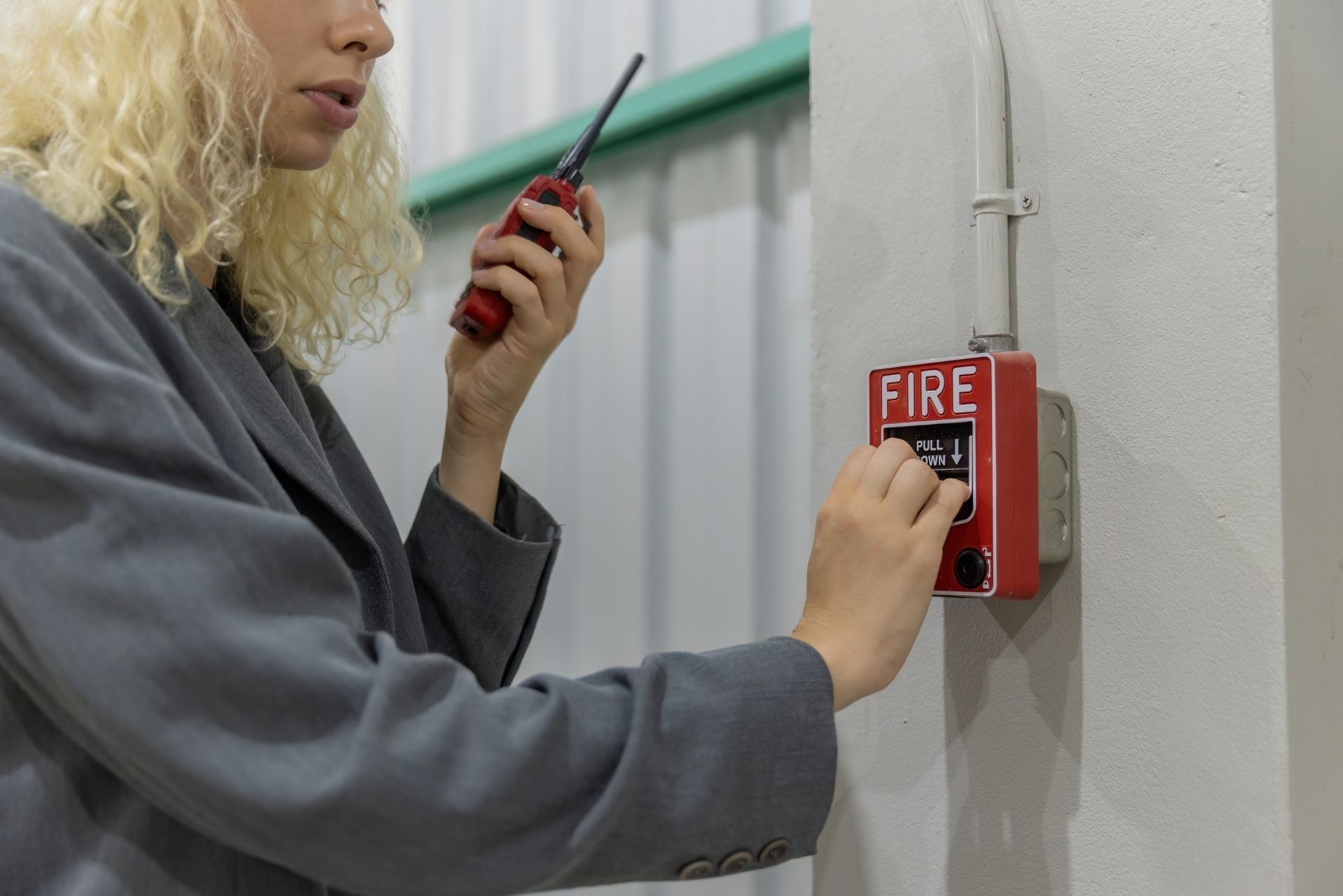
Training, Certifications, And Documentation: How They Shape Your Risk
Training and credentialing have a direct impact on both safety outcomes and legal exposure for Arizona fire alarm electricians. Many public sector projects, as well as sophisticated private owners, look for NICET certified technicians or documented years of specialized fire alarm experience. That is not just a badge of pride, it is a risk management tool that insurers respect.
Some state level technical guidance reflects this reality by requiring a qualified fire alarm system assessor to show several years of commercial experience or to hold a senior NICET certification before reviewing system performance, which underlines how important practical expertise is for reliable fire alarm work as outlined in Arizona documentation on fire alarm performance specification assessors. For insurance purposes, that kind of structured competency helps demonstrate that the contractor takes life safety seriously and is less likely to cut corners that lead to claims.
Insurers also place value on strong documentation habits. That includes maintained drawings, as built records, device lists, commissioning and acceptance test reports, and ongoing inspection and maintenance logs. When a loss occurs, those records can show that the contractor acted reasonably and complied with codes and manufacturer instructions. In some cases they are the difference between a defensible claim and an expensive settlement.
Technology Trends: From Cellular Communicators To Smart Homes
Fire alarm communication has shifted quickly away from traditional single path phone lines. The availability of multi carrier cellular communicators has pushed the market toward more resilient and flexible signaling between fire panels and central stations, which changes both technical risk and contract language with monitoring firms as highlighted in analyses of advances in fire panel communication options. Insurers pay attention because communication failures are a common element in severe fire loss investigations.
Connected home and building technology also affect the exposure profile. Recent industry data shows that a clear majority of new fire alarm installations now integrate with smart home or building automation platforms, representing well over half of new systems in a recent year based on statistics about smart home connectivity in new fire alarm systems. When alarms tie into apps, voice assistants, and cloud dashboards, contractors inherit cyber and data related concerns, along with more complex vendor relationships.
For Arizona fire alarm electricians, this means liability can arise not only from traditional hardware and wiring issues, but also from firmware updates, network configuration, and integration with third party platforms. Insurance programs that once focused mainly on slip and fall injuries and simple property damage now need to contemplate technology errors, privacy concerns, and contract disputes with software vendors.
Property, Tools, Vehicles, And Jobsite Exposures
Life safety risk often dominates the conversation, yet day to day operational exposures still produce many of the claims insurers see. Fire alarm work relies on service vans stocked with panels, devices, spools of cable, laptops, and specialized test equipment. Theft from vehicles, jobsites, or storage yards is common, especially when crews work late hours or in busy urban areas. Inland marine coverage for contractor's equipment and installation materials is vital to protect these mobile assets.
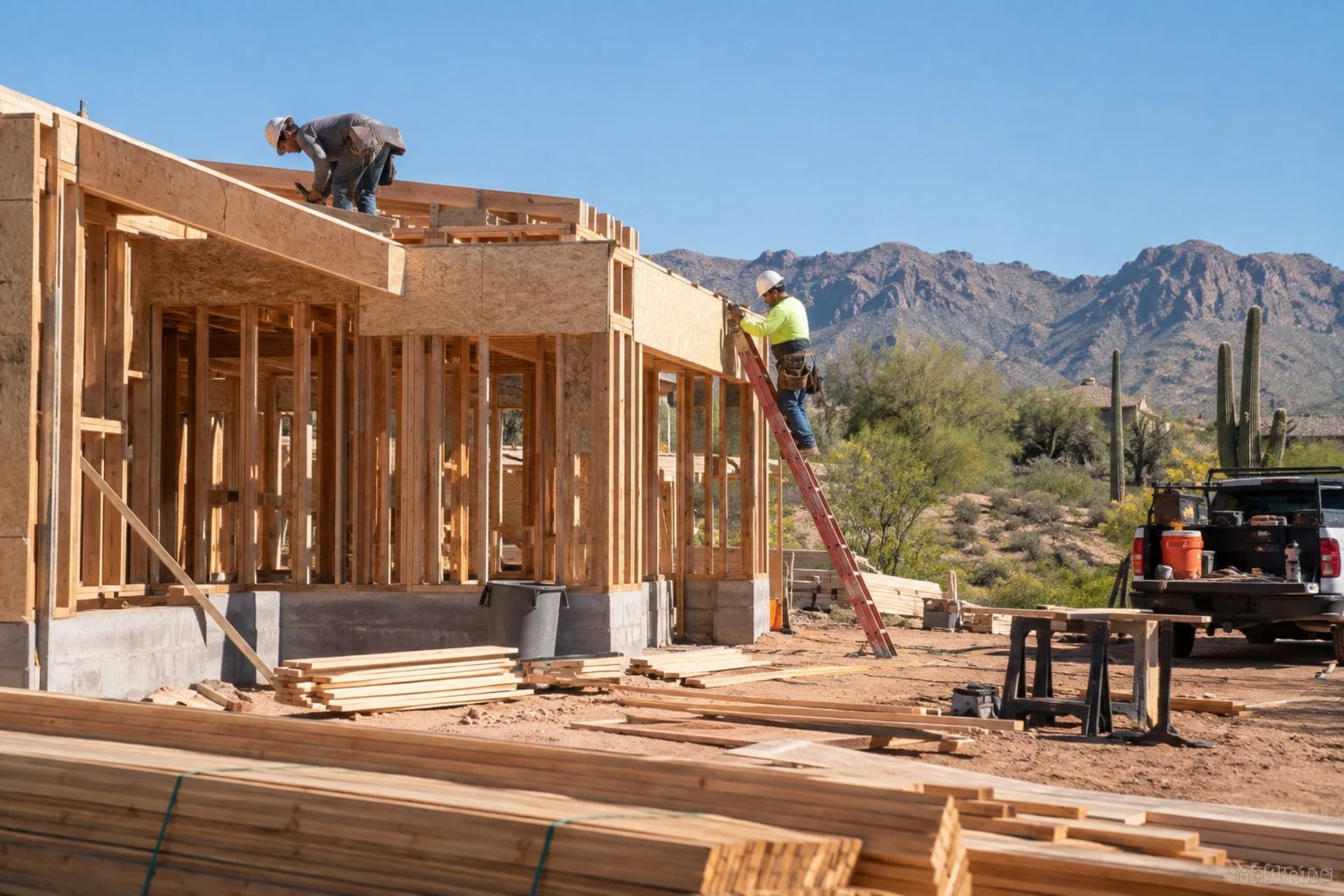
Jobsite conditions also matter. Fire alarm electricians work alongside other trades in crowded spaces, often on lifts or ladders, with open ceiling grids and incomplete lighting. A misplaced tool dropped from height, a cable left across a doorway, or a lift moved without proper spotting can injure other workers or damage finished surfaces. General liability, workers compensation, and strong safety protocols work together to address these routine but significant hazards.
Commercial auto exposure rounds out the picture. Crews drive between scattered buildings, campuses, and remote facilities, sometimes in dense traffic or harsh weather. A serious auto accident can quickly outsize a typical tools or property claim. Insurers will ask about driver screening, vehicle maintenance, and any telematics or fleet safety programs in place to manage this risk.
How Insurers Evaluate Arizona Fire Alarm Operations
Underwriters do not view every contractor that works on fire alarms the same way. They look closely at what percentage of work involves new installations versus inspections and service, whether the firm designs systems in house or simply follows stamped plans, and how much of the business involves high hazard occupancies such as healthcare, assembly, or large industrial facilities. A firm that primarily performs tenant fit ups in small retail spaces presents a different profile than one that designs and installs campus wide systems for hospitals.
They also consider how much work is subcontracted. When a contractor relies heavily on subs for design, programming, or specialty devices, underwriters want to see written agreements, proof of insurance from those subs, and risk transfer language such as indemnity and additional insured provisions. Poorly managed subcontractor relationships are a frequent source of coverage disputes after a loss.
Claims history plays a significant role. A pattern of false alarm complaints, inspection failures, or workmanship disputes can signal deeper process or training issues. On the positive side, documented safety meetings, internal quality checks, and a culture of reporting near misses and correcting issues show an insurer that leadership is serious about controlling risk. That can make coverage easier to obtain and keep over time.
Practical Ways To Keep Premiums Manageable Without Cutting Protection
Arizona fire alarm electricians often feel pressure from general contractors and building owners to keep prices low, which makes insurance costs an important part of the budgeting equation. Cutting coverage rarely ends well though, especially for a trade that sits so close to life safety. A better strategy is to make the business more insurable while tailoring coverages thoughtfully.
Clear written contracts with owners and general contractors are a powerful starting point. Agreements should outline the scope of work, clarify who is responsible for design versus installation, define limits on consequential or purely financial damages, and address inspection, testing, and maintenance responsibilities after turnover. Strong contract language reduces surprise liabilities and aligns with how policies are written to respond.
Operational improvements also help. Regular training, documented device testing, consistent labeling and as built updates, and pre functional checks before calling for an inspection all reduce rework and disputes. On the fleet side, enforcing driving policies, monitoring motor vehicle records, and maintaining vehicles carefully can improve commercial auto results over time. When insurers see a contractor actively managing these areas, they are often more receptive to competitive pricing and broader coverage terms.
Frequently Asked Questions About Arizona Fire Alarm System Electrician Insurance
Many fire alarm contractors in Arizona carry insurance because it is required by licensing boards or general contractors, but the fine print is not always clear. These common questions highlight how coverage interacts with real life scenarios on fire alarm projects
The answers below are general in nature. Specific policies can vary widely, so every contractor should review their own coverages with a knowledgeable insurance professional who understands the fire and life safety industry.
Is general liability coverage alone enough for a fire alarm electrician in Arizona?
General liability is essential, but rarely sufficient on its own for fire alarm work. Because mistakes in design, layout, or system specification can lead to claims that involve purely financial loss, most contractors also benefit from professional liability coverage tailored to life safety systems.
Does my insurance cover design errors if I follow an engineer's stamped plans?
It depends on the policy and the facts of the claim. If the contractor truly follows stamped plans without modification, responsibility may lean toward the design professional, but allegations often claim both parties contributed. Professional liability coverage can help defend the contractor when a lawsuit argues that field decisions or code interpretations played a role.
Are my subcontractors automatically covered under my policies?
Subcontractors are usually not automatically insureds under a contractor's policy. Most insurers expect subs to carry their own general liability and, when appropriate, professional liability and workers compensation, with written contracts that include indemnity and additional insured provisions in favor of the hiring contractor.
Do I need workers compensation if I only use part time helpers?
In most cases, once a contractor uses workers who are treated as employees, workers compensation becomes necessary, regardless of whether the work is part time or seasonal. Misclassifying helpers as independent contractors without proper documentation can create serious problems after an injury occurs.
Will my policy respond if the fire department or city fines my customer for false alarms?
Some general liability policies exclude fines and penalties directly imposed by governmental entities, while others may respond if the customer seeks reimbursement on the theory of negligence. Contract language, local ordinances, and specific policy wording all influence whether those costs are covered.
What insurance do I typically need to work for large general contractors or on public projects?
Larger general contractors and public agencies commonly require general liability, workers compensation, and commercial auto coverage, along with additional insured endorsements, primary and noncontributory wording, and sometimes professional liability or pollution coverage. Bid documents and contract exhibits usually spell out the exact requirements that must be met.
Does insurance cover software or programming mistakes in addressable systems?
Programming errors can fall into a gray area between traditional general liability and professional liability. Some policies extend coverage to technology related mistakes, while others exclude them, so contractors who program panels and integrate systems should confirm that their policies address these exposures specifically.
Before You Go: Turning Insurance Into A Business Advantage
Fire alarm system electricians in Arizona play a critical role in the broader life safety ecosystem. Automatic fire sprinklers alone are estimated to prevent the vast majority of deaths in residential fires when they operate as intended, which shows how deeply properly designed and maintained fire protection systems affect public safety based on data about the effectiveness of fire sprinklers in residential settings. Fire alarm systems tie into that protection by detecting fires early, notifying occupants, and summoning responders quickly.
Viewing insurance as more than a check box can turn it into a strategic asset. Thoughtfully chosen coverages, aligned with strong training, current certifications, and a disciplined approach to code compliance, can reassure building owners, general contractors, and public agencies that the firm is a reliable long term partner. With clear contracts, careful documentation, and a culture that treats life safety as the core mission, Arizona fire alarm system electricians can use their insurance program not just to survive a claim, but to support growth and long term business stability.
About The Author:
Taylor Whatcott
As President of Wilde Wealth Insurance Services, I’m committed to providing trusted protection for both families and businesses across Arizona. Our independent team works with top-rated carriers to deliver tailored, comprehensive coverage—making insurance simple, accessible, and hassle-free.
Contact Us
Commercial Coverage Solutions
Protect Your Business with the Right Insurance
We offer customized insurance solutions to safeguard your business from financial risks. Our policies provide protection for property, employees, and liability concerns.
Commercial Property Insurance
Safeguards buildings, equipment, and inventory from damage or loss.
Professional Liability Insurance
Covers claims of negligence, errors, or omissions in services.
Cyber Liability Insurance
Protects against data breaches, cyberattacks, and online threats.
Who We Protect
Insurance Solutions for Your Industry
We specialize in providing tailored coverage for businesses in key industries. Our policies are designed to meet industry-specific risks and ensure complete protection.




Protection for Your Home & Assets
Reliable Coverage for Life’s Unexpected Moments
We provide personal insurance solutions designed to safeguard your home, vehicle, and financial well-being. Our policies ensure you and your loved ones are protected.







What Our Clients Say
Real Feedback. Real Confidence.
FAQs
Answers to Common Insurance Questions
How do I know which insurance coverage is right for me?
Choosing the right insurance depends on your personal or business needs. Our team evaluates your risks and recommends tailored coverage to protect what matters most.
We work with multiple carriers to provide different policy options. This allows you to compare benefits, limits, and pricing to make an informed choice.
If you’re unsure, we’ll walk you through the options step by step, ensuring you understand your coverage and feel confident in your decision.
Why should I choose an independent insurance agency like Wilde Wealth?
As an independent agency, we are not tied to a single insurance provider. This means we can compare multiple policies to find the best coverage at the best price.
Our goal is to advocate for you, ensuring you receive personalized service and expert advice tailored to your situation.
Unlike direct insurers, we offer ongoing support, helping you with claims, policy changes, and future coverage needs.
Can I bundle multiple insurance policies to save money?
Yes! Bundling policies like home and auto can lead to significant savings. Many carriers offer discounts for combining multiple coverages.
Bundling also simplifies policy management, with a single point of contact and streamlined renewals.
We help you explore bundling options to ensure you get the best value while maintaining the protection you need.
What factors affect my insurance rates?
Insurance rates are influenced by factors such as coverage limits, location, claims history, and risk exposure. Personal insurance may consider credit scores, driving history, and home value.
For businesses, factors like industry type, employee count, and annual revenue can impact pricing. Each carrier evaluates risk differently.
We shop multiple providers to find the best balance of coverage and cost, ensuring you don’t overpay while staying fully protected.
How does Wilde Wealth Insurance Services help business owners?
We provide customized business insurance solutions to protect against liability, property damage, employee-related risks, and cyber threats.
Our team works with a range of industries, including contractors, restaurants, and real estate professionals, to offer tailored policies.
From small startups to established enterprises, we help business owners minimize risks and keep operations running smoothly.
What happens if I need to file a claim?
Filing a claim is simple with our support. Contact us first, and we’ll guide you through the process, ensuring all necessary information is submitted correctly.
We work directly with your insurance carrier to expedite the claim, keeping you informed at every step.
Our team is here to advocate for you, making sure you receive a fair and timely resolution.
Latest Articles & Insights
Stay Informed with Expert Insurance Advice
We provide valuable insights to help you make informed insurance decisions. Explore our latest articles on coverage options, industry trends, and risk management tips.

Contact Us