
Arizona Basement Waterproofing Contractor Insurance
See How We're Different:
or Call Us:(480) 526-3222
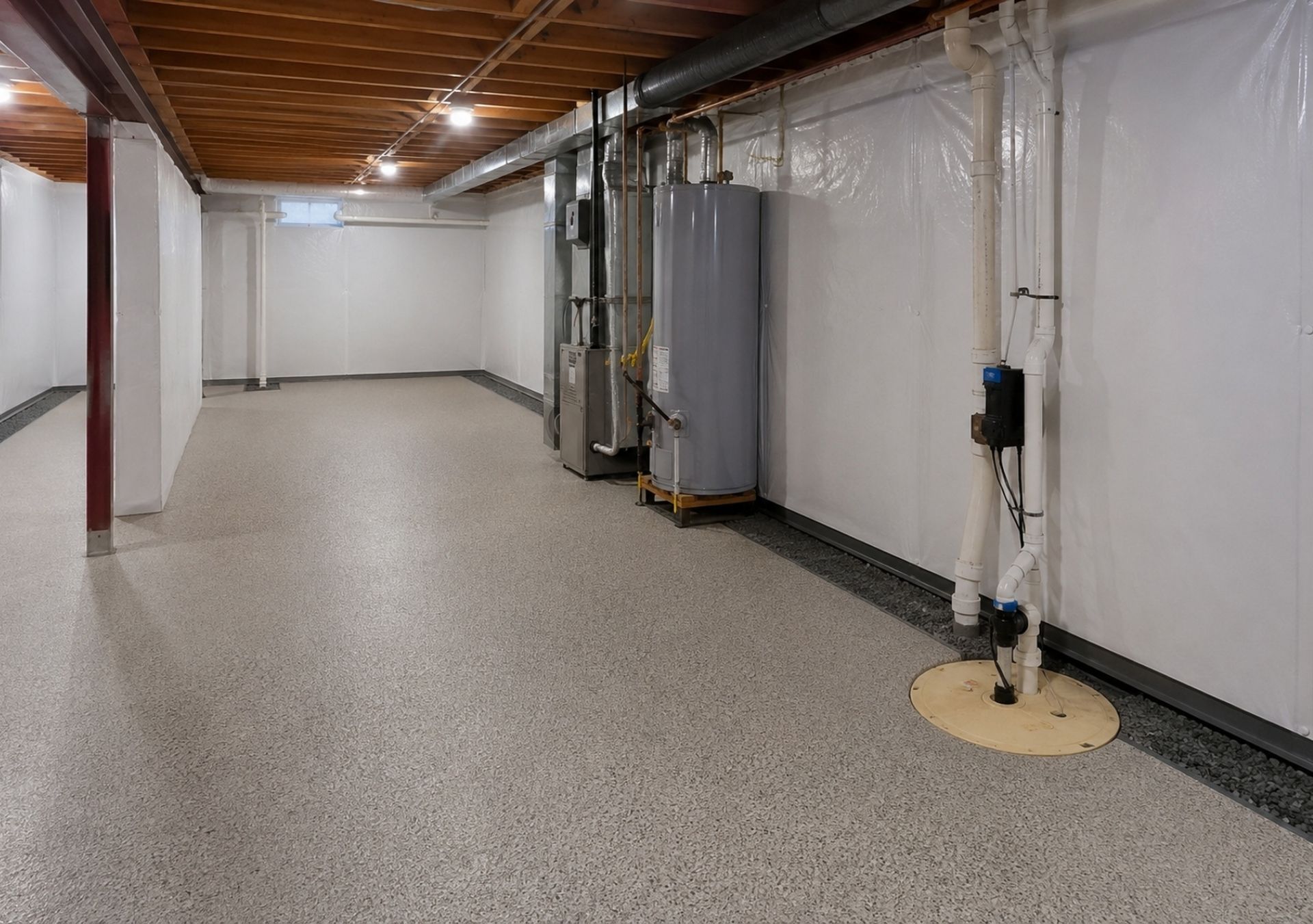
Running a waterproofing business in Arizona comes with risks that most general contractors never face. You're working below grade, dealing with moisture intrusion, handling chemical sealants, and operating expensive pumping equipment - often in tight residential spaces where one mistake can cause thousands in damage. If you don't carry the right insurance, a single claim could shut you down faster than a monsoon season flood.
This insurance guide for Arizona basement waterproofing contractor business owners breaks down the specific policies you need, the state requirements you must meet, and the common coverage gaps that catch specialty contractors off guard. Whether you're a one-person operation or managing a crew of ten, understanding your insurance options isn't optional - it's the difference between surviving a bad claim and closing your doors. Arizona's
construction insurance market has shifted in 2026, with new rate changes and evolving requirements that directly affect your bottom line.
Essential Insurance Coverages for Arizona Waterproofing Contractors
Waterproofing contractors face a unique blend of risks. You're not framing walls or hanging drywall. You're applying membranes, injecting epoxy into foundation cracks, and managing water flow around someone's most valuable asset. That risk profile demands specific coverage, not a generic contractor policy pulled off a shelf.
The three core policies below form the foundation of any responsible waterproofing business. Skipping any one of them leaves a dangerous gap.
General Liability for Site Accidents and Property Damage
General liability (GL) is your first line of defense. It covers third-party bodily injury and property damage that occurs because of your work. Think: a homeowner trips over your hose line and breaks a wrist, or your crew accidentally cracks a foundation wall during excavation.
For waterproofing contractors, GL claims often stem from water damage to a client's finished basement after a system fails. A standard GL policy typically covers completed operations, meaning it protects you even after you've left the job site. Most Arizona waterproofing contractors carry $1 million per occurrence and $2 million aggregate, though larger commercial jobs may require higher limits.
One thing to keep in mind: GL doesn't cover faulty workmanship itself. It covers the resulting damage. If your drainage tile installation was done incorrectly and water floods a client's basement, GL pays for the ruined carpet and furniture - not the cost to redo the drainage tile.
Professional Liability for Design and Engineering Errors
If you design waterproofing systems, recommend specific solutions, or provide engineering assessments, you need professional liability insurance (sometimes called errors and omissions, or E&O). This covers claims arising from bad advice, incorrect specifications, or design failures.
Here's a real scenario: you assess a homeowner's crawl space, recommend an interior drain system, and the problem turns out to be exterior hydrostatic pressure that needed a French drain and exterior membrane. The homeowner spends $8,000 on your recommended fix, it fails, and now they're coming after you for the original cost plus the correct repair. Professional liability covers that claim.
Many waterproofing contractors skip this policy because they don't consider themselves "designers." But if you're making recommendations - and you are - you're exposed.
Pollution Liability for Mold and Hazardous Materials
Standard GL policies almost always exclude pollution-related claims. That's a serious problem for waterproofing contractors, because mold is classified as a pollutant under most insurance contracts.
If your waterproofing system fails and mold develops in a client's home, a pollution liability policy covers the remediation costs, medical claims, and legal defense. Given that mold remediation in Arizona can run $10,000 to $30,000 for a residential basement, this isn't a theoretical risk. Pollution liability also covers accidental releases of chemical sealants, polyurethane foam, or other materials you use daily.
The construction industry's risk profile continues to evolve, and
2026 market conditions show increasing attention to environmental liability across specialty trades. Don't assume your GL policy handles mold. Read the exclusions.
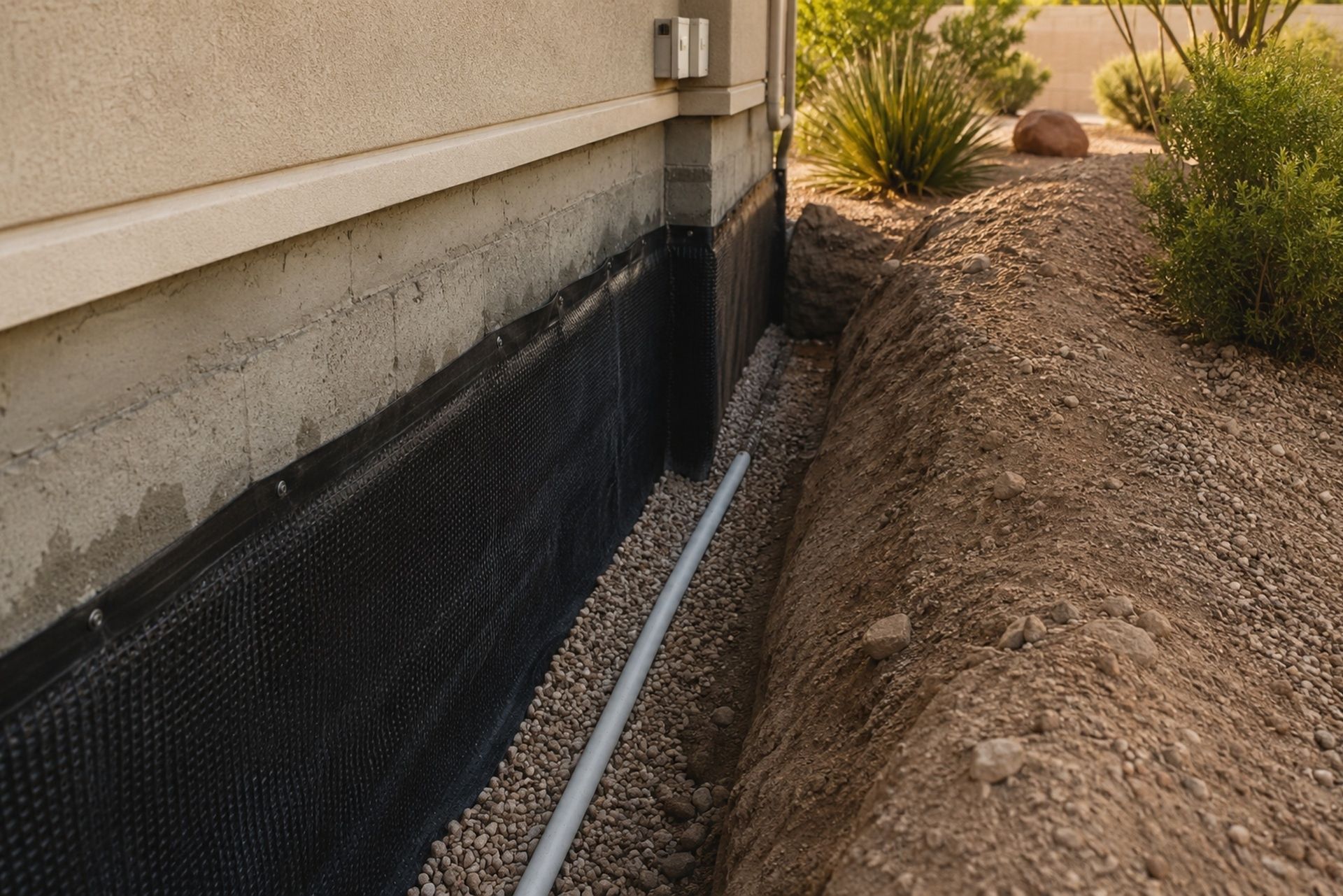
Arizona State Requirements and Licensing Compliance
Arizona regulates contractors more tightly than many states. Operating without proper licensing, bonding, and insurance isn't just risky - it's illegal and can result in fines, license suspension, or criminal charges.
ROC Bond Requirements for Specialty Contractors
Every Arizona contractor working on projects over $1,000 must hold a license from the Registrar of Contractors (ROC) and maintain a surety bond. Waterproofing contractors typically fall under specialty classifications.
The bond amount depends on your annual revenue. Arizona residential contractors must maintain specific ROC bonds based on annual volume: $4,250 for revenue up to $375,000. As your revenue grows, so does your bond requirement. These bonds protect consumers - not you. If you fail to complete a job or violate your contract, the bond pays the homeowner, and then the surety company comes after you for reimbursement.
Your ROC license also requires proof of insurance. Letting your policy lapse, even briefly, can trigger automatic license suspension through the ROC. Set up auto-pay or calendar reminders for every renewal date.
Workers' Compensation Laws for Small Crews
Arizona requires workers' compensation insurance for every employer, regardless of crew size. Even if you have just one part-time helper, you need a policy. The penalties for non-compliance include fines up to $1,000 per day and potential criminal prosecution.
The good news: Arizona's workers' comp rates have been decreasing for the 12th consecutive year, making coverage more affordable than in neighboring states. Arizona's comp premiums run significantly lower than California's rates for similar construction classifications, which gives your business a cost advantage.
That said, waterproofing work carries higher classification rates than general contracting because of confined space risks, chemical exposure, and heavy equipment operation. Expect to pay more per $100 of payroll than a
painter or drywall installer.
Comparing Policy Types: General vs. Specialized Coverage
Not all contractor insurance policies are created equal. A generic commercial general liability policy written for a handyman won't adequately cover a waterproofing contractor's specific risks. Here's where the differences matter.
Comparison Table: Standard GL vs. Specialized Waterproofing Policy
| Coverage Feature | Standard GL Policy | Specialized Waterproofing Policy |
|---|---|---|
| Third-party bodily injury | Covered | Covered |
| Property damage from operations | Covered | Covered |
| Completed operations (post-job claims) | Often limited | Extended coverage typical |
| Mold and pollution claims | Excluded | Available as endorsement or included |
| Below-grade work exclusion | Common exclusion | Typically removed |
| Professional liability/E&O | Not included | Available as add-on |
| Chemical application coverage | Often excluded | Included |
| Typical annual premium range | $1,200 - $2,500 | $2,800 - $5,500 |
The price difference is real, but so is the coverage gap. A standard GL policy with a below-grade exclusion is essentially worthless for a waterproofing contractor. You'd be paying premiums for a policy that won't pay claims on 90% of your work. The construction sector's
evolving risk and insurance options for 2026 make it more important than ever to match your policy to your actual trade.
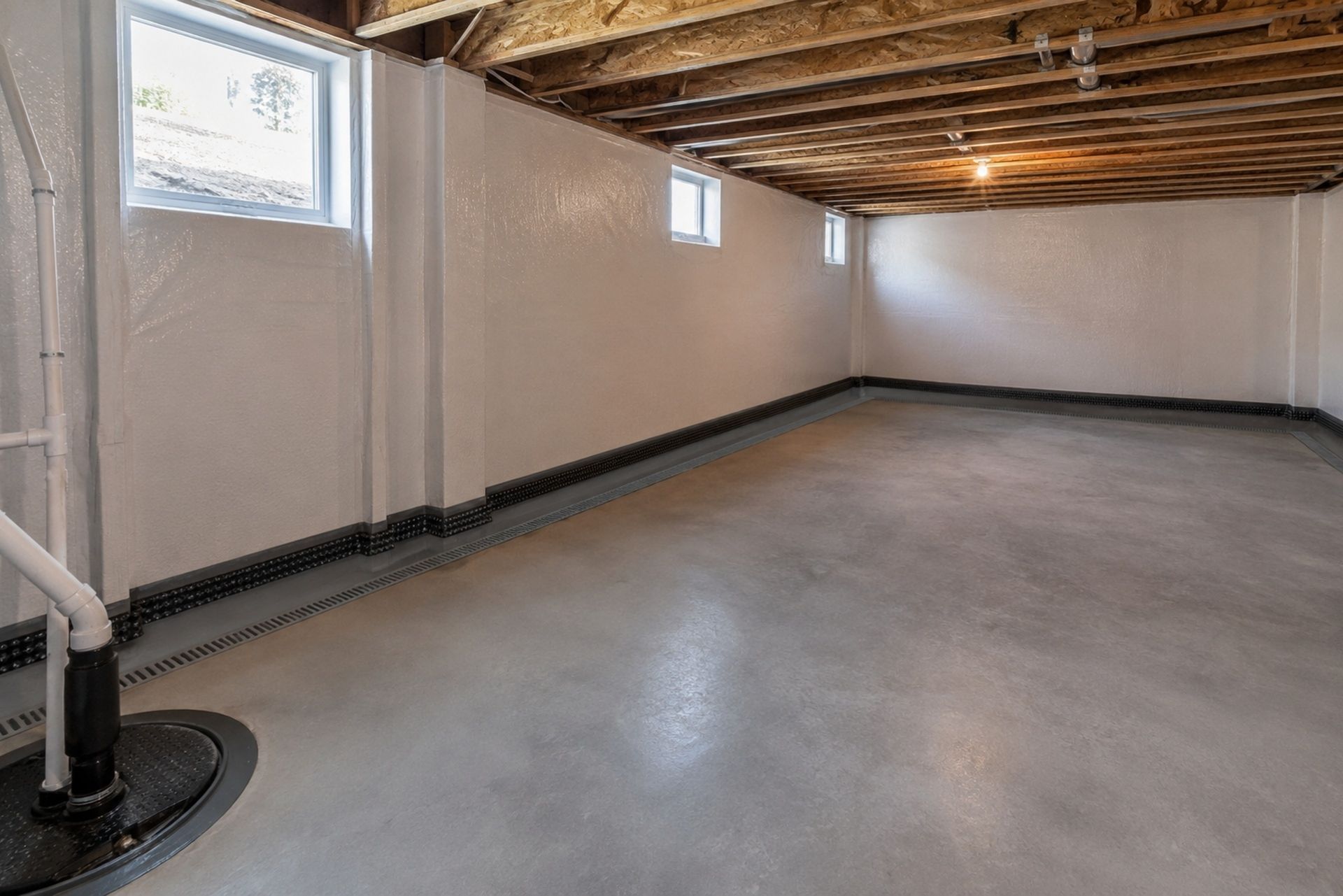
Protecting Specialized Equipment and Transit Assets
Your trucks, pumps, injection equipment, and diagnostic tools represent a significant investment. Standard property insurance won't cover equipment that moves between job sites.
Inland Marine Insurance for High-Value Pumps and Drills
Inland marine insurance covers tools and equipment in transit or stored at job sites. For waterproofing contractors, this includes sump pumps, hydraulic injection systems, moisture meters, concrete cutting saws, and dehumidification units.
A typical waterproofing contractor carries $25,000 to $75,000 worth of portable equipment. If your trailer gets stolen from a job site or your injection pump is damaged during transport, inland marine pays for replacement. Standard commercial property policies only cover items at your listed business location, so anything on the road or at a client's property falls through the cracks without this coverage.
Commercial Auto for Work Vans and Excavation Machinery
Personal auto insurance won't cover vehicles used for business purposes. If your crew drives a work van to a job site and causes an accident, your personal policy will likely deny the claim.
Commercial auto insurance covers your fleet - vans, trucks, trailers, and any self-propelled equipment driven on public roads. It also covers hired and non-owned vehicles, which matters if an employee uses their personal truck for a supply run. Arizona's
record bid response times in 2026 construction mean contractors are moving faster between jobs, increasing road exposure. Make sure your policy limits match the value of your vehicles and the liability risks of operating them daily.
Frequently Asked Questions About Contractor Insurance
How much does insurance cost for a small waterproofing company in Arizona? A sole proprietor with one helper typically pays $4,000 to $8,000 annually for a package that includes GL, workers' comp, and commercial auto. Specialized endorsements for pollution or professional liability add $1,000 to $3,000.
Can I use my personal auto insurance for my work van? No. Personal auto policies exclude vehicles used primarily for business. If you're hauling equipment or driving to job sites daily, you need a commercial auto policy.
Do I need pollution liability if I only do interior waterproofing? Yes. Interior waterproofing involves chemical sealants, and any failed system can lead to mold growth. Mold is classified as a pollutant, and your GL policy almost certainly excludes it.
What happens if my insurance lapses while I hold an ROC license? The ROC can suspend your license immediately. Reinstating it requires proof of current coverage and may involve additional fees or a waiting period.
Is workers' comp required if I only use subcontractors? If your subcontractors don't carry their own workers' comp, Arizona law may consider them your employees for insurance purposes. Always verify that subs have active policies before they start work.
Does my bond replace the need for insurance? No. Your ROC bond protects consumers from contractor default. Insurance protects you and your business from liability claims. They serve completely different purposes, and Arizona requires both.
Getting the right insurance isn't something you figure out once and forget. Your coverage needs change as your revenue grows, your crew expands, and you take on larger projects. Review your policies annually - ideally 60 days before renewal - to make sure your limits, endorsements, and classifications still match your actual operations.
Start by requesting quotes from at least three agents who specialize in construction trades. A generalist agent may not understand below-grade exclusions or pollution endorsements, and that knowledge gap can leave you dangerously underinsured. Ask specifically about completed operations coverage, mold exclusions, and whether the policy covers chemical injection work.
If you're building your Arizona waterproofing business in 2026, treat insurance as infrastructure, not overhead. The contractors who survive bad claims are the ones who planned for them. Get your ROC bond squared away, confirm your workers' comp classifications are accurate, and make sure every policy you carry actually covers the work you do every day. That's how you protect what you've built.
About The Author:
Taylor Whatcott
As President of Wilde Wealth Insurance Services, I’m committed to providing trusted protection for both families and businesses across Arizona. Our independent team works with top-rated carriers to deliver tailored, comprehensive coverage—making insurance simple, accessible, and hassle-free.
Contact Us
Commercial Coverage Solutions
Protect Your Business with the Right Insurance
We offer customized insurance solutions to safeguard your business from financial risks. Our policies provide protection for property, employees, and liability concerns.
Commercial Property Insurance
Safeguards buildings, equipment, and inventory from damage or loss.
Professional Liability Insurance
Covers claims of negligence, errors, or omissions in services.
Cyber Liability Insurance
Protects against data breaches, cyberattacks, and online threats.
Who We Protect
Insurance Solutions for Your Industry
We specialize in providing tailored coverage for businesses in key industries. Our policies are designed to meet industry-specific risks and ensure complete protection.


Protection for Your Home & Assets
Reliable Coverage for Life’s Unexpected Moments
We provide personal insurance solutions designed to safeguard your home, vehicle, and financial well-being. Our policies ensure you and your loved ones are protected.







What Our Clients Say
Real Feedback. Real Confidence.
FAQs
Answers to Common Insurance Questions
How do I know which insurance coverage is right for me?
Choosing the right insurance depends on your personal or business needs. Our team evaluates your risks and recommends tailored coverage to protect what matters most.
We work with multiple carriers to provide different policy options. This allows you to compare benefits, limits, and pricing to make an informed choice.
If you’re unsure, we’ll walk you through the options step by step, ensuring you understand your coverage and feel confident in your decision.
Why should I choose an independent insurance agency like Wilde Wealth?
As an independent agency, we are not tied to a single insurance provider. This means we can compare multiple policies to find the best coverage at the best price.
Our goal is to advocate for you, ensuring you receive personalized service and expert advice tailored to your situation.
Unlike direct insurers, we offer ongoing support, helping you with claims, policy changes, and future coverage needs.
Can I bundle multiple insurance policies to save money?
Yes! Bundling policies like home and auto can lead to significant savings. Many carriers offer discounts for combining multiple coverages.
Bundling also simplifies policy management, with a single point of contact and streamlined renewals.
We help you explore bundling options to ensure you get the best value while maintaining the protection you need.
What factors affect my insurance rates?
Insurance rates are influenced by factors such as coverage limits, location, claims history, and risk exposure. Personal insurance may consider credit scores, driving history, and home value.
For businesses, factors like industry type, employee count, and annual revenue can impact pricing. Each carrier evaluates risk differently.
We shop multiple providers to find the best balance of coverage and cost, ensuring you don’t overpay while staying fully protected.
How does Wilde Wealth Insurance Services help business owners?
We provide customized business insurance solutions to protect against liability, property damage, employee-related risks, and cyber threats.
Our team works with a range of industries, including contractors, restaurants, and real estate professionals, to offer tailored policies.
From small startups to established enterprises, we help business owners minimize risks and keep operations running smoothly.
What happens if I need to file a claim?
Filing a claim is simple with our support. Contact us first, and we’ll guide you through the process, ensuring all necessary information is submitted correctly.
We work directly with your insurance carrier to expedite the claim, keeping you informed at every step.
Our team is here to advocate for you, making sure you receive a fair and timely resolution.
Latest Articles & Insights
Stay Informed with Expert Insurance Advice
We provide valuable insights to help you make informed insurance decisions. Explore our latest articles on coverage options, industry trends, and risk management tips.


Contact Us