
Arizona Lighting Installation Contractor Insurance
See How We're Different:
or Call Us:(480) 526-3222

A chandelier slips during a retrofit in a Scottsdale home, shatters on the marble floor, and takes a chunk out of the countertop on its way down. No one is hurt, but the client expects everything repaired or replaced. For an Arizona lighting installation contractor, one bad moment like that can wipe out weeks of profit if the right insurance is not in place.
That is why many lighting businesses look for policies built specifically for installation risks instead of generic small business packages, and some even use online marketplaces that help lighting installation businesses compare quotes from multiple carriers in one place, such as the tools highlighted by
Insureon for lighting installation companies. This guide walks through how insurance works for Arizona lighting installers, what coverage types matter, how pricing is typically calculated, and how state specific issues like regulation and rising construction costs affect your protection.
How lighting installation risk in Arizona really looks on a job site
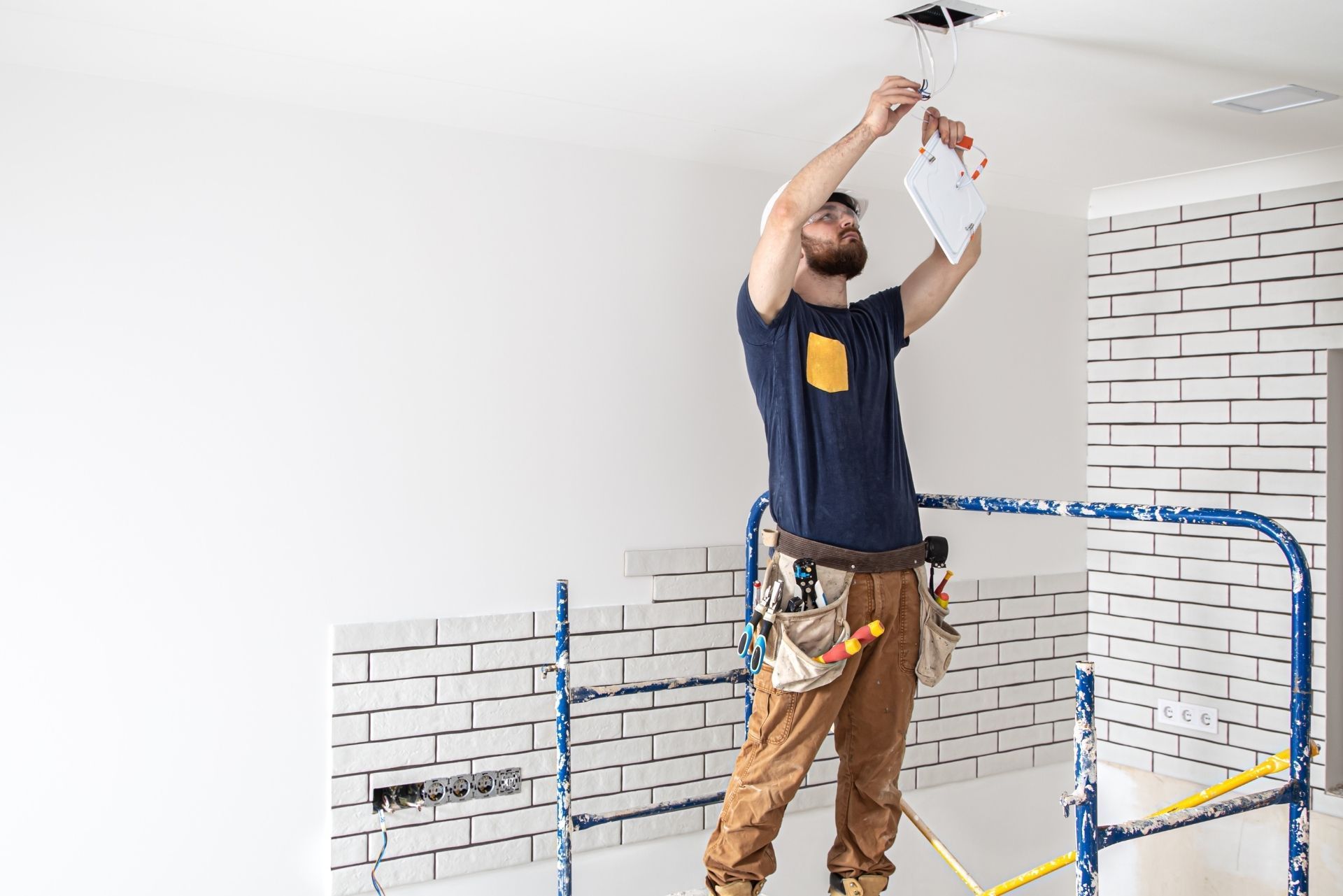
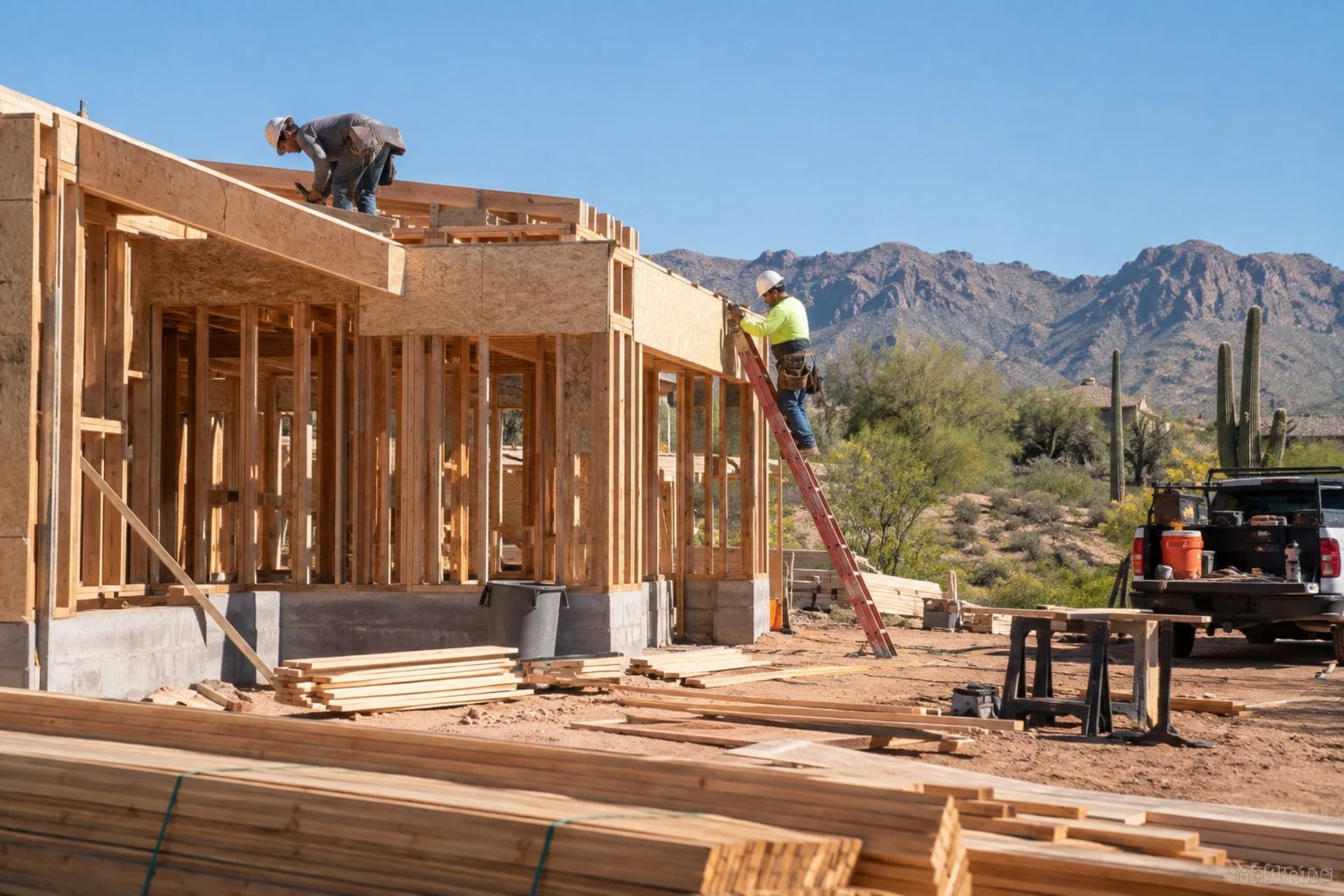
Lighting contractors handle a mix of electrical work, specialty fixtures, ladders or lifts, and often delicate client property. Even with careful crews, there is constant exposure to fire risk from wiring mistakes, falls from heights, and damage to expensive finishes or furniture. Residential projects add tight working spaces and homeowners who may be present while the work is going on, while commercial jobs can involve coordination with other trades and compressed timelines that increase the chance of mistakes.
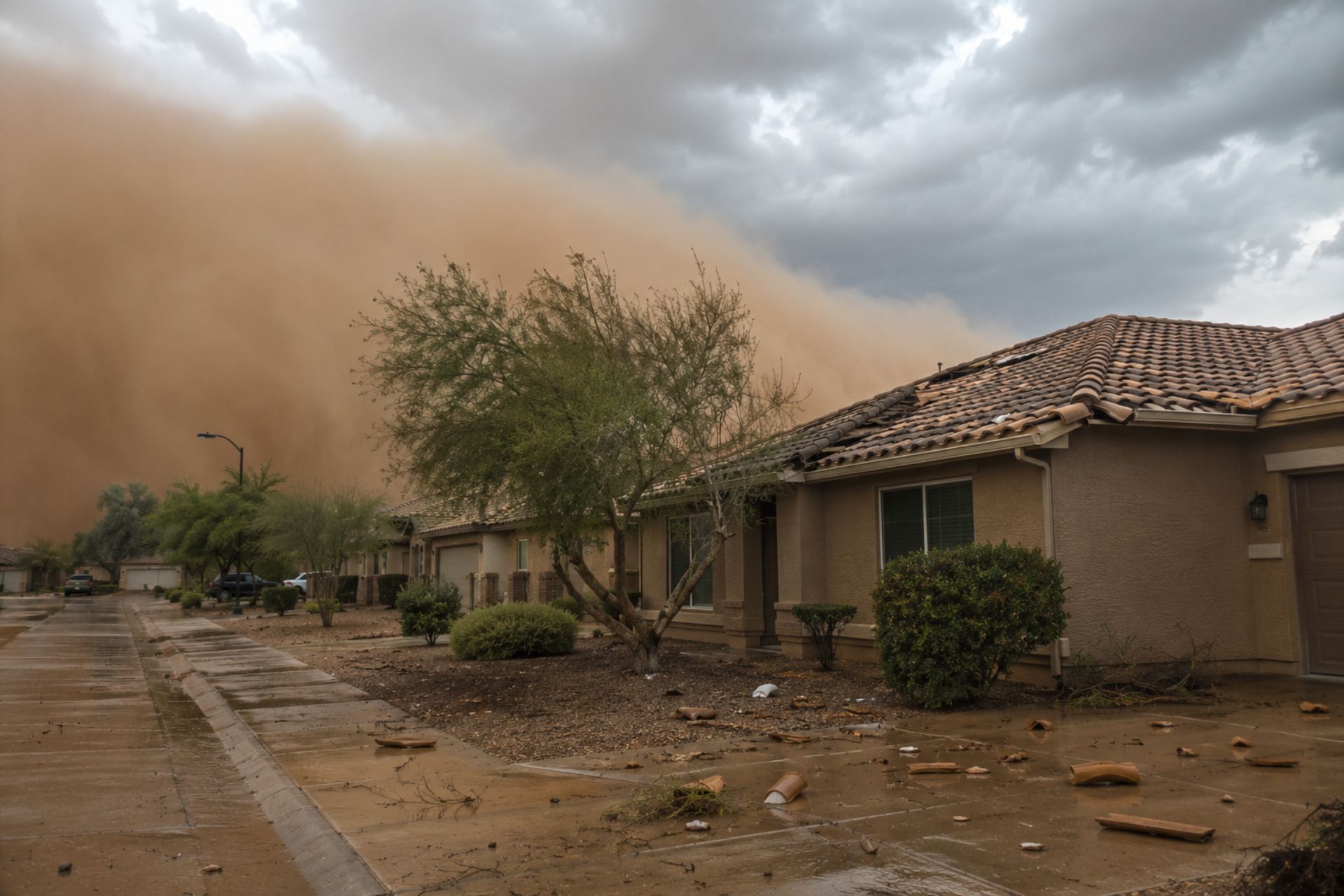
On top of that, Arizona brings its own twists. High summer heat can make roof or exterior lighting work more hazardous for crews. Dust, monsoon storms, and sudden power surges can damage materials in transit or on the job, or push an already stressed electrical system over the edge. For contractors who also handle lighting controls, low voltage systems, or smart home integration, any programming error that takes down a business’s operations or security system can quickly turn into a dispute.
Core insurance policies every Arizona lighting installer should consider
Most lighting contractors start by asking about general liability, because clients and general contractors often require it in contracts. That policy is the backbone of many insurance programs, but it is only one piece. A solid setup for an Arizona based lighting installer usually layers several policy types, so property damage, injuries, vehicles, and tools are all addressed in different ways.
The best way to think about it is to look at what could realistically go wrong. A ladder tips and injures a bystander. A new LED system is wired incorrectly and causes smoke damage weeks after the job. A work van is stolen with specialty fixtures inside that were already billed to the client. An employee gets hurt pulling wire through a hot, cramped attic. Each scenario points to a different type of policy.
The table below outlines the main coverage types that matter for most lighting installation businesses and how they typically respond to everyday risks.
| Coverage type | What it does for lighting installers t Name | Typical claim example |
|---|---|---|
| General liability | Helps pay for third party bodily injury and property damage claims, along with related legal defense, when something goes wrong in the course of your work. | A client trips over your extension cord, breaks a wrist, and sues for medical bills and lost wages. |
| Products and completed operations | Covers claims that arise after work is finished, often included as part of a general liability policy but sometimes with its own limits. | Weeks after you install track lighting, faulty connections allegedly cause a small fire that damages drywall and furnishings. |
| Commercial property | Protects your owned building, office contents, and sometimes materials stored at your shop from covered events like fire or theft. | A small warehouse fire destroys stored fixtures, wire spools, and your estimating computers. |
| Contractor’s equipment or inland marine | Covers tools, ladders, lifts, and sometimes materials while they are in transit or on job sites instead of at your main location. | Specialty recessed fixtures and cordless tools are stolen out of a locked trailer at a commercial site overnight. |
| Commercial auto | Insures your vans, box trucks, or pickups used for work, including liability for crashes and optional coverage for damage to your own vehicles. | Your loaded service van rear ends another driver on the freeway on the way to a job in Phoenix. |
| Workers compensation | Pays medical costs and a portion of lost wages for employees injured in the course of their work, and helps shield the business from many employee injury lawsuits. | An installer falls through a ceiling while working in an attic and needs surgery and rehabilitation. |
| Professional liability or errors and omissions | Addresses claims that your design, layout, or advice caused a client financial loss, especially relevant if you provide lighting design or specify control systems. | A restaurant claims your lighting design is inadequate and says they lost business because customers complain about poor visibility. |
| Umbrella or excess liability | Adds an extra layer of liability limits over general liability, auto, and sometimes employer’s liability, for high value or multi site contractors. | A complex commercial fire claim pierces your primary liability limits and you need additional capacity to settle the case. |
What does Arizona lighting contractor insurance cost
Contractors often want a simple answer about what they should expect to pay, but pricing depends heavily on revenue, payroll, types of work, claims history, and how carefully operations are managed. Still, there are useful benchmarks from similar trades that give lighting installers a ballpark. For example, a review of appliance installation contractors in Arizona found that annual general liability costs can range from about four thousand one hundred forty dollars to thirty four thousand six hundred fifty dollars depending on revenue, work mix, and risk profile, which at least illustrates how widely costs can swing as a business grows, according to ContractorNerd’s analysis of Arizona appliance installation contractors.
Looking at another neighboring trade can also help. An analysis of more than one thousand one hundred HVAC liability quotes found that premiums typically fall between about one point three and two point six percent of a contractor’s annual gross revenue, which is a reminder that many liability policies scale with sales volume and exposure rather than being purely flat fees, as reported by HVACInsure’s review of Arizona HVAC contractor premiums. Lighting installation contractors who do mainly straightforward interior work might land toward the lower end of similar ranges, while those taking on high end, high value commercial or exterior projects can see higher pricing.
Insurers also look closely at risk controls. A company that documents safety programs, tracks ladder and lift training, uses written lockout procedures, and has a clean loss history usually has stronger options than a business with the same revenue but frequent small claims. Whether crews work on live electrical systems, handle high voltage, or do design build work can shift classification codes and pricing as well. Finally, bundling multiple policies like general liability, commercial auto, property, and inland marine with a single carrier can sometimes create package discounts, although that benefit has to be weighed against the value of specialized policies for certain exposures.
Licensing, safety, and how regulation affects your insurance
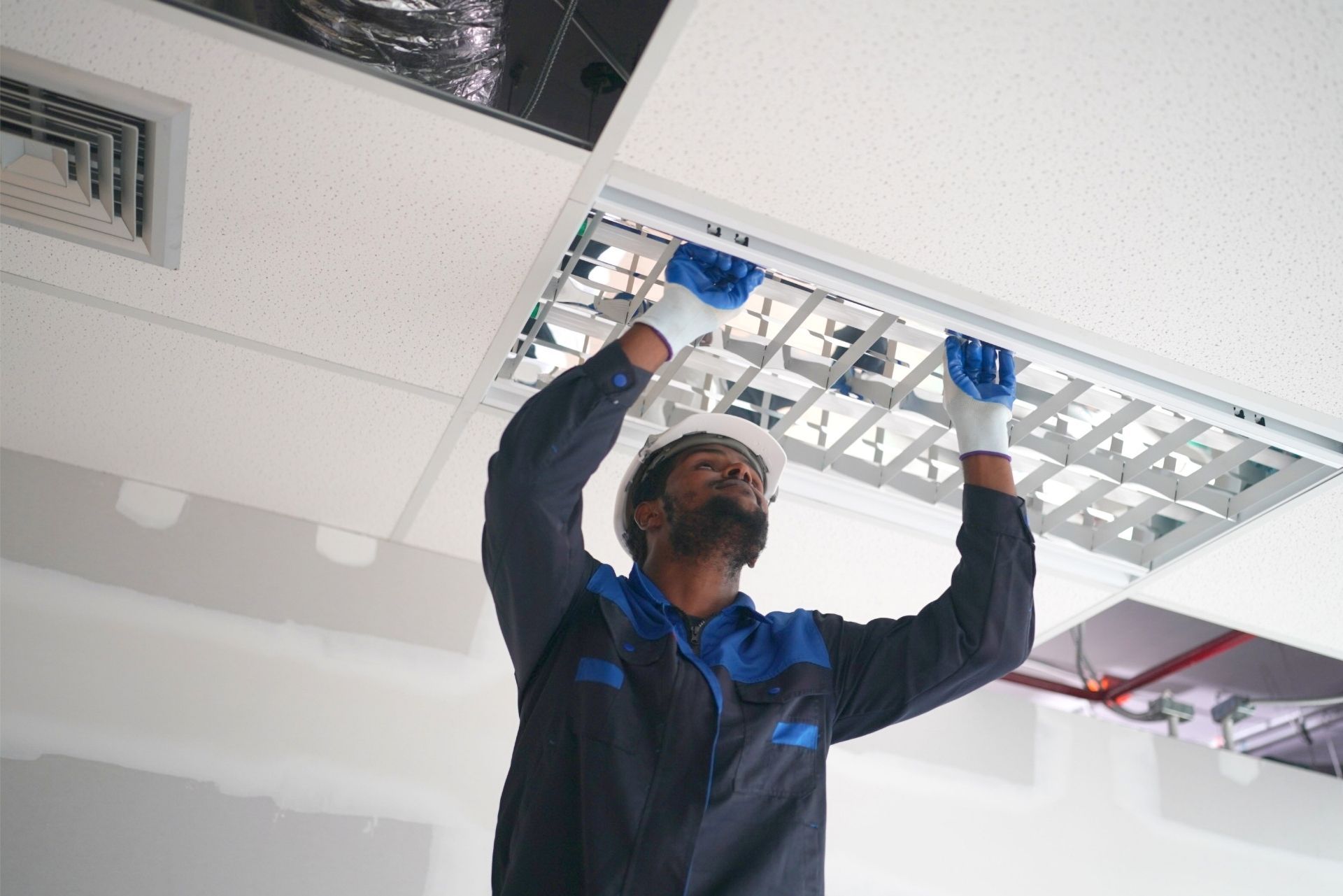
Arizona’s regulatory landscape for contractors has been the subject of active debate, especially around whether deregulation helps or harms the commercial construction market. The Arizona Registrar of Contractors released a study in February twenty twenty five that looked at how changes in oversight affect both business outcomes and safety, giving insurers more data to consider when they underwrite contractor risks, according to the Registrar’s twenty twenty four study on commercial contractor deregulation. For lighting installers that work on commercial projects, the study reinforces how licensing status, documented training, and adherence to standards influence not only legal compliance but the way underwriters perceive the risk.
One key finding from that same work is that enforcement of safety standards through regulatory activities can reduce injury related costs by between nine and twenty six percent, a sizable difference when translated to real claims and premiums over time, as noted in the
Registrar of Contractors’ analysis of safety enforcement and injury costs. This aligns with what many insurers already reward: written safety programs, job hazard assessments, toolbox talks, and consistent documentation. For Arizona lighting contractors, investing in those practices is not only good for crews, it can materially support better pricing and broader coverage options when it is time to renew.
Rising rebuild costs and why your limits matter
General liability often gets most of the attention, but property and inland marine limits can become a painful surprise if they are not updated regularly. The cost to rebuild or repair structures in Arizona has risen significantly in recent years, driven by materials pricing, labor shortages, and general construction inflation. The Arizona Department of Insurance has highlighted that since twenty twenty, construction expenses in the state have climbed substantially, which directly affects the cost to repair homes and commercial properties after a loss, as discussed in an industry report referencing Arizona Department of Insurance findings on rising construction expenses.
For a lighting installer, that trend shows up in two places. First, if a claim arises from your work that causes property damage, the size of that claim may be larger than a similar incident several years ago, which makes adequate liability limits more important. Second, your own commercial property and
contractor’s equipment coverage needs to keep pace with reality. Lifts, specialty tools, and even a fully stocked van of fixtures and materials cost more to replace. Regularly reviewing scheduled equipment, inventory values, and business income coverage with your broker helps ensure a fire, theft, or major storm does not leave a gap between insurance limits and the true cost of getting back to work.
Arizona lighting contractor insurance FAQs
Contractors often hear conflicting advice about what they must carry, what is optional, and how different coverages actually respond. These short answers address common questions from Arizona based lighting installers, especially those who are growing beyond solo operations.
Is general liability required for lighting contractors in Arizona?
Many clients, general contractors, and property managers will require general liability with specific limits in their contracts, even if the state is not directly mandating it for every situation. Without it, you may be shut out of larger projects and personally exposed if there is a significant injury or property damage claim tied to your work.
Do I need workers compensation if I only use subcontractors?
That depends on how those subcontractors are structured and how state law views the relationship. If subs do not carry their own valid workers compensation policies, or if they are treated as de facto employees in practice, your business can still be on the hook for injuries, so it is important to review certificates and contract language with a knowledgeable agent and, when needed, legal counsel.
What if I do both lighting design and installation?
When you are responsible for both specifying the system and installing it, you carry a design exposure as well as installation risk. In that case, pairing general liability with professional liability or errors and omissions coverage can close gaps where a client alleges that your layout, fixture choice, or controls programming caused them a financial loss beyond physical damage.
Does my commercial auto policy cover tools and fixtures in the van?
Most commercial auto policies focus on the vehicle itself and liability for crashes, not the contents. Tools, materials, and fixtures usually need to be covered under a contractor’s equipment or inland marine policy, which can follow them from your shop to the truck to the job site.
How do larger commercial projects change my insurance needs?
Bidding on bigger or more complex jobs often means higher required liability limits, stricter additional insured and waiver of subrogation wording, and more attention to completed operations coverage. It can also make umbrella liability coverage more important, since a single large claim on a major retail or industrial project can exceed standard general liability limits.
Can I use the same insurance program if I work in multiple states?
Often you can, but multi state operations raise extra questions about workers compensation, licensing, and how liability policies define coverage territories. If you are based in Arizona but regularly work in neighboring states, you will want an insurance advisor who understands how to structure policies so they respond properly across all of your job locations.
Before you go, how to put this insurance knowledge to work
Insurance for Arizona lighting installation contractors is not just about checking a box on a bid form. It is about building a safety net that aligns with how your business actually operates, the types of projects you pursue, and the way risk is managed day to day. That starts with mapping your exposures, from ladders and lifts to commercial vehicles, stored fixtures, and any design responsibilities, then matching those exposures to specific policies, limits, and endorsements instead of relying on generic packages.
From there, it pays to work with an insurance partner that understands the construction space in Arizona, not a generalist who treats contractors, retailers, and office professionals the same way. Regional specialists highlight that contractors choose them because of their focus on local trades and commitment to contractor success, a point emphasized by firms like
Gaslamp Insurance when describing why Arizona contractors work with them. Whether you use a local broker or an online platform, look for advisors who ask detailed questions about your operations, explain why they recommend certain coverages, and help you revisit limits as your lighting business grows.
About The Author:
Taylor Whatcott
As President of Wilde Wealth Insurance Services, I’m committed to providing trusted protection for both families and businesses across Arizona. Our independent team works with top-rated carriers to deliver tailored, comprehensive coverage—making insurance simple, accessible, and hassle-free.
Contact Us
Commercial Coverage Solutions
Protect Your Business with the Right Insurance
We offer customized insurance solutions to safeguard your business from financial risks. Our policies provide protection for property, employees, and liability concerns.
Commercial Property Insurance
Safeguards buildings, equipment, and inventory from damage or loss.
Professional Liability Insurance
Covers claims of negligence, errors, or omissions in services.
Cyber Liability Insurance
Protects against data breaches, cyberattacks, and online threats.
Who We Protect
Insurance Solutions for Your Industry
We specialize in providing tailored coverage for businesses in key industries. Our policies are designed to meet industry-specific risks and ensure complete protection.



Protection for Your Home & Assets
Reliable Coverage for Life’s Unexpected Moments
We provide personal insurance solutions designed to safeguard your home, vehicle, and financial well-being. Our policies ensure you and your loved ones are protected.







What Our Clients Say
Real Feedback. Real Confidence.
FAQs
Answers to Common Insurance Questions
How do I know which insurance coverage is right for me?
Choosing the right insurance depends on your personal or business needs. Our team evaluates your risks and recommends tailored coverage to protect what matters most.
We work with multiple carriers to provide different policy options. This allows you to compare benefits, limits, and pricing to make an informed choice.
If you’re unsure, we’ll walk you through the options step by step, ensuring you understand your coverage and feel confident in your decision.
Why should I choose an independent insurance agency like Wilde Wealth?
As an independent agency, we are not tied to a single insurance provider. This means we can compare multiple policies to find the best coverage at the best price.
Our goal is to advocate for you, ensuring you receive personalized service and expert advice tailored to your situation.
Unlike direct insurers, we offer ongoing support, helping you with claims, policy changes, and future coverage needs.
Can I bundle multiple insurance policies to save money?
Yes! Bundling policies like home and auto can lead to significant savings. Many carriers offer discounts for combining multiple coverages.
Bundling also simplifies policy management, with a single point of contact and streamlined renewals.
We help you explore bundling options to ensure you get the best value while maintaining the protection you need.
What factors affect my insurance rates?
Insurance rates are influenced by factors such as coverage limits, location, claims history, and risk exposure. Personal insurance may consider credit scores, driving history, and home value.
For businesses, factors like industry type, employee count, and annual revenue can impact pricing. Each carrier evaluates risk differently.
We shop multiple providers to find the best balance of coverage and cost, ensuring you don’t overpay while staying fully protected.
How does Wilde Wealth Insurance Services help business owners?
We provide customized business insurance solutions to protect against liability, property damage, employee-related risks, and cyber threats.
Our team works with a range of industries, including contractors, restaurants, and real estate professionals, to offer tailored policies.
From small startups to established enterprises, we help business owners minimize risks and keep operations running smoothly.
What happens if I need to file a claim?
Filing a claim is simple with our support. Contact us first, and we’ll guide you through the process, ensuring all necessary information is submitted correctly.
We work directly with your insurance carrier to expedite the claim, keeping you informed at every step.
Our team is here to advocate for you, making sure you receive a fair and timely resolution.
Latest Articles & Insights
Stay Informed with Expert Insurance Advice
We provide valuable insights to help you make informed insurance decisions. Explore our latest articles on coverage options, industry trends, and risk management tips.

Contact Us