
Arizona EV Charger Installer Insurance
See How We're Different:
or Call Us:(480) 526-3222

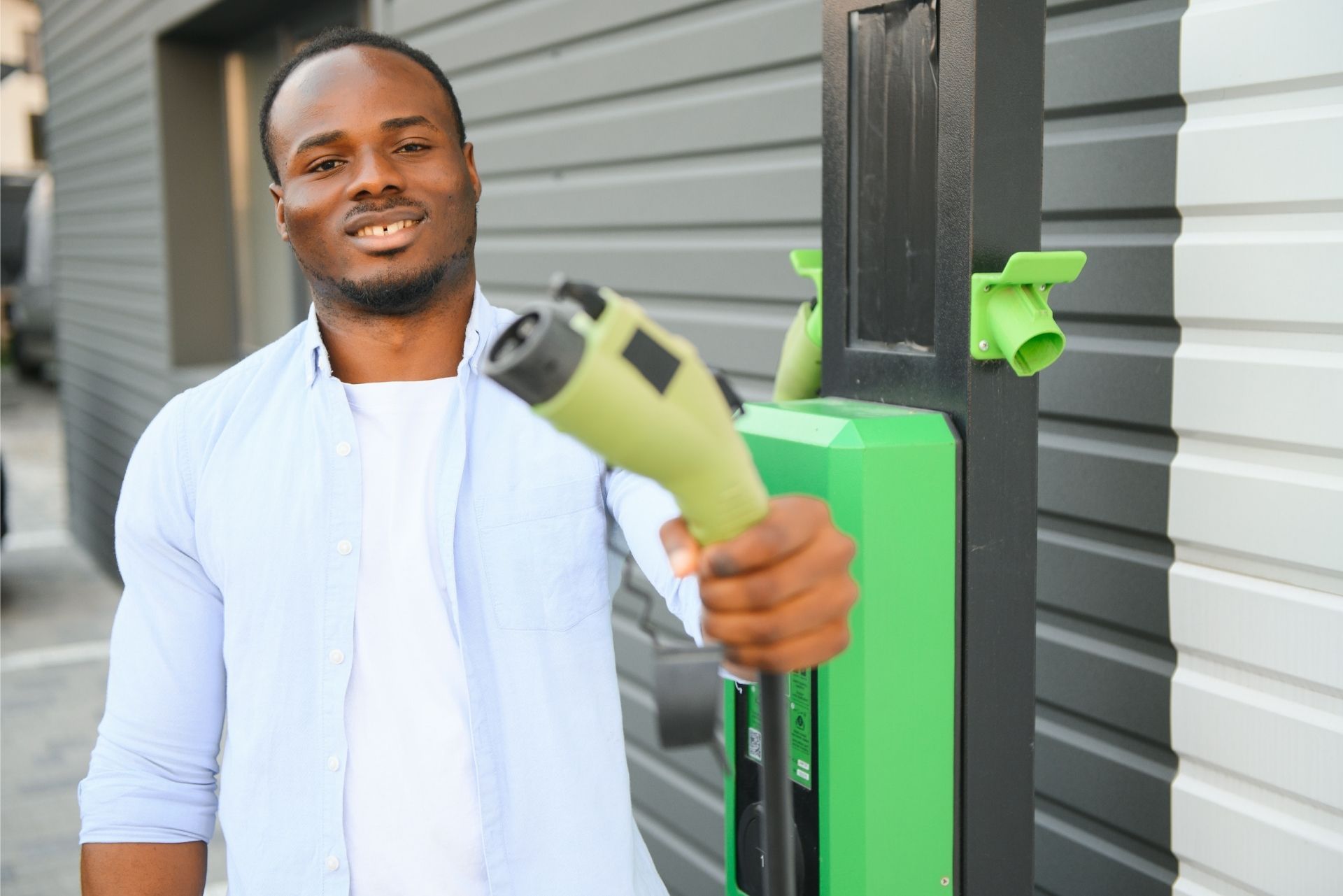
Arizona has quietly become one of the hottest markets for electric vehicles. The number of EVs registered in the state has tripled in roughly the last year and a half to 89,798, putting fast, complex charging projects squarely on the shoulders of local electrical contractors and specialists who install chargers for homes, businesses, and public sites according to federal data summarized by Cronkite News.
That kind of spike changes how risks look on the job. Crews are working around high-voltage equipment, tight schedules, and demanding commercial clients. One serious arc flash, trench collapse, or wiring error can turn into a claim that follows a business for years. As Tony Manjooran, chief operating officer at BreatheEV, put it, as growth continues the industry is crossing a threshold where chargers are something more and more people consider part of everyday life. That makes reliability and protection even more important for installers.
Insurance becomes part of that safety net. Done right, it does more than just check a box on a contract. It protects the balance sheet, keeps work moving after a loss, and reassures property owners that an installer can stand behind their work. This guide walks through the main coverage types, how costs are shaped in Arizona, and practical ways an EV charger installer can build a strong, affordable insurance program.
Arizona’s EV boom and what it means for charger installers
Arizona is not just adding EVs, it is building the highways to support them. The state has secured 76.5 million dollars over five years to expand its charging network, with plans for eighteen fast-charging stations along interstate highways, each including at least four charging ports through a federally backed buildout effort. That work will require experienced installers who can handle large, higher risk projects in remote and urban locations.
For contractors and specialized EV infrastructure firms, this surge in public and corridor charging projects often means bigger contracts, more subcontractors on site, rental equipment, traffic control, and stricter safety expectations. Municipalities and large commercial clients usually insist on specific insurance limits, additional insured status, and completed operations coverage that extends for years after the project wraps. The financial stakes are higher, so the liability expectations follow.
At the same time, the rapid adoption of EVs in residential neighborhoods reshapes risk on the smaller end of the market. Single family charger installations and multifamily retrofits can seem routine, but they involve tight electrical rooms, aging panels, and building owners who expect flawless coordination with utilities and inspectors. A small installer may go from basic service upgrades to complex EV-ready retrofits almost overnight, and insurance should keep pace with that shift.

Key risks Arizona EV charger installers face
EV charger work combines classic electrical contracting exposures with a few twists. Crews are trenching and boring near existing utilities, mounting heavy equipment on walls and pedestals, and tying into service equipment that may be undersized or poorly documented. On commercial sites, one mistake can fry sensitive building systems, take a retail center offline, or trigger business interruption claims from tenants.
Residential work brings its own challenges. A recent technical study on Arizona distribution systems warned that widespread residential EV charging, especially in clusters, can push local circuits closer to their technical hosting limits according to a grid impact analysis focused on the state. Installers who miscalculate load, fail to coordinate with utilities, or skip necessary panel upgrades could be blamed if overheating equipment, nuisance outages, or even fires are traced back to an EV charger project.
Liability is only part of the picture. Tools and test equipment are attractive targets for theft. Service vehicles loaded with gear are on the road constantly, often in dense traffic or unfamiliar neighborhoods. A collision in a wrapped van does not just damage the vehicle, it can put a dent in the company’s reputation. And if a key foreperson is injured on the job, lost time and workers compensation costs can mount quickly. Insurance for EV charger installers has to address all of these layers, not just injuries to third parties.
Essential insurance coverages for EV charger installers
Most EV charger installers in Arizona start with the same foundation as other electrical contractors, but the higher voltage and complex technology make it even more important to get the details right. Several core policies typically work together to protect the business from different directions, from everyday slip and fall incidents to rare but severe property damage or injury claims tied to a defective installation.
General liability usually sits at the center. It responds when a third party alleges bodily injury or property damage caused by the installer’s operations or completed work. For EV charger installers, that might include claims that a charger was wired incorrectly and damaged a customer’s vehicle, that trenching work cracked a neighboring building’s foundation, or that a visitor tripped over materials at a jobsite. Completed operations coverage becomes crucial, since issues often surface months after a project is finished.
Professional liability, sometimes called errors and omissions for contractors, is increasingly relevant in this niche. Many installers are not just following simple specs, they are advising on charger placement, load management strategies, and equipment choices. If a design recommendation leads to chronic overloading, costly service changes, or revenue loss for a commercial charging operator, a standard general liability policy might not fully respond. Professional liability can help fill that gap when the dispute centers on advice, design, or technical judgment rather than a straightforward physical accident.
| Coverage type | What it typically covers | Why it matters for EV charger installers |
|---|---|---|
| General liability | Third party bodily injury, property damage, and related legal defense | Protects against claims that a charger installation, jobsite condition, or field operation caused damage or injury. |
| Professional liability | Errors in design, consulting, or technical advice that cause financial loss | Addresses disputes over load calculations, equipment recommendations, or system layouts for commercial and residential clients. |
| Commercial auto | Liability and physical damage for company vehicles | Covers at-fault crashes in vans and trucks and can repair or replace vehicles that are essential for field work. |
| Inland marine / tools & equipment | Portable tools, testers, and equipment on the road or at jobsites | Helps replace stolen or damaged gear so crews can stay productive after a loss. |
| Workers compensation | Medical costs and lost wages for employees injured on the job | Mandatory in most cases and critical for protecting both staff and the business after on-site injuries. |
| Contractor’s pollution liability | Certain pollution events and clean-up costs arising from operations | Useful when working near sensitive sites or dealing with contaminated soil, batteries, or legacy equipment. |
Commercial auto is especially sensitive for EV-focused firms. Service vehicles are often on tight timelines, carrying expensive chargers and parts. While EVs themselves can have higher repair costs, with one industry report noting that repairable EV claims made up 2.4 percent of all such claims, up from 1.6 percent the prior year, and that the average repair cost was 46.9 percent higher than for non EVs, those trends can spill over into how insurers view fleets that regularly transport and work on this equipment according to CCC Intelligent Solutions Inc.’s Crash Course Q3 2024 Report. Higher physical damage costs can influence premiums and deductibles, so it becomes essential to manage driver safety and vehicle selection carefully.
Workers compensation and employment related coverages cannot be overlooked either. EV charger work often means lifting heavy units, working in awkward spaces, and dealing with hot Arizona weather. Heat stress, falls from ladders, and strains from handling chargers or pedestals can lead to costly claims. A solid workers compensation policy, paired with safety training and return to work programs, helps keep those risks manageable. For firms that use subcontractors heavily, clear agreements and certificates of insurance are vital so that injuries fall on the correct policy.
What insurance might cost and how to keep it manageable
Pinning down an exact premium is impossible without looking at a specific business, but there are some useful trends. On the personal side of the market, one analysis found that electric vehicle insurance premiums dropped by about 23 percent in 2025, helped by better repair networks and more standardized procedures for fixing EVs according to a review of recent pricing shifts. Commercial insurance does not follow the same pattern perfectly, yet it shows how insurers adapt as they gain experience and data around EV technology.
For EV charger installers, many of the usual rating factors carry extra weight. Insurers look at revenue, payroll by job classification, services offered, and loss history. In this niche, they also pay close attention to the mix of residential versus commercial work, involvement in design or engineering, use of subcontractors, and whether the firm is touching high power DC fast chargers or mainly lower power Level two units. Carriers may be more cautious when an installer handles public charging plazas or big highway sites, since a mistake there can affect far more people at once.
Project values and equipment costs play a role too. The Arizona Department of Transportation has estimated that a 150 kilowatt charging station can run about 94,000 dollars for the charger itself, with another 40,000 dollars in installation, bringing the total to roughly 134,000 dollars for a single unit before counting site work and soft costs
based on planning figures for infrastructure deployment. When those kinds of numbers are involved, clients often demand higher liability limits and broader coverage, which can increase premiums but also provide meaningful protection if a serious claim arises.
Practical risk management on projects and service calls
Insurance is only one side of the equation. Strong field practices keep people safe, protect property, and make the business more attractive to underwriters. For EV charger installers, that starts with standardized survey and installation checklists. Documenting panel capacity, grounding, existing conditions, and site photos before work starts helps prevent disputes later and shows that the company takes its responsibilities seriously.
On commercial and public projects, coordination is critical. Clearly defined scopes of work, written change orders, and up to date drawings reduce the chance that someone assumes another trade handled a crucial detail. When transformers, switchgear, and chargers all arrive from different vendors, someone has to own the final verification that equipment ratings, wiring, and protection devices line up with code and manufacturer requirements. Installers who can show insurers that they follow formal commissioning procedures are often seen as better risks.
Vehicle and driver management deserves its own focus. Simple steps like documented driver screening, regular motor vehicle record checks, and defensive driving training can cut down on crashes. Equipping service vehicles with basic security measures and clear inventory processes also limits theft and improves claims outcomes when a loss does occur. Many insurers are more flexible on premiums and deductibles when they see that a contractor treats fleet safety as part of its core operations rather than an afterthought.
EV charger installers rarely operate in a vacuum. They sit between equipment manufacturers, utilities, general contractors, property owners, and sometimes charging network operators. Each of those parties may push different requirements around insurance, warranties, and indemnity. Managing those expectations carefully can prevent unpleasant surprises when a claim hits.
Contracts with commercial clients often require specific insurance limits, additional insured status on general liability and sometimes auto, primary and noncontributory wording, and waiver of subrogation in favor of the client. Meeting those conditions is not just a matter of buying more coverage. It requires close coordination with the broker and insurer so that endorsements match the promised language. Providing certificates quickly and accurately can also help maintain preferred contractor status with repeat clients.
Relationships with charger manufacturers are just as important. Many offer limited warranties that depend on proper installation, documentation, and sometimes participation in certified installer programs. When a charger fails, everyone involved may look for someone else to shoulder the cost. Clear paperwork, photos, and commissioning records can help prove that the installer did their part, preserving warranty coverage and reducing the chance that the contractor’s liability policy is asked to pick up the tab unnecessarily.
Frequently asked questions about EV charger installer insurance
Do EV charger installers in Arizona need special insurance compared to regular electricians?
Many of the core policies are the same, like general liability, commercial auto, tools and equipment coverage, and workers compensation. What changes is the level of risk, project values, and contractual requirements, which often call for higher limits, more detailed endorsements, and sometimes professional liability for design or advisory work related to charging systems.
Are residential EV charger jobs low risk enough to skip professional liability?
Even small projects can involve load calculations, panel upgrades, and advice about charger placement or equipment selection. If a homeowner later claims that advice was faulty and led to costly changes or damage, professional liability can be the policy that responds, especially when the dispute is about design judgment rather than a straightforward physical accident.
How does fleet safety affect insurance costs for installer vans and trucks?
Insurers look closely at crash history, driver screening, and how vehicles are used day to day. A well run fleet with clean records, documented policies, and basic telematics or driver coaching tools often earns more favorable pricing and terms than a similar business that treats driving risks casually.
Do small EV charger installers really need high liability limits?
Property owners and commercial clients are increasingly aware that EV infrastructure can be expensive to repair or replace. Even a single charger at a small site can be tied into costly electrical gear and high value vehicles, so many clients insist on limits that feel large relative to the installer’s size to make sure there is enough protection if something goes badly wrong.
Can good contracts reduce the chance of uncovered claims?
Yes. Clear scopes of work, realistic warranties, and balanced indemnity clauses help keep responsibility where it belongs. When contracts and insurance policies are aligned, there is less risk that a claim falls into a gap between what was promised on paper and what the policy is designed to cover.
Key takeaways for Arizona EV charger installers
The rapid buildout of EV infrastructure across Arizona, from neighborhood driveways to interstate fast charging sites, is creating strong opportunities for skilled installers. Public corridor projects alone can involve charger hardware, installation, and site work that climbs well into six figure territory for a single location, as illustrated by state planning estimates for individual high power charging units and their associated installation work outlined by the Arizona Department of Transportation. When those kinds of dollars are on the line, one uninsured or underinsured mistake can threaten the future of a small or mid sized firm.
A thoughtful insurance program acts as a financial backstop and a credibility signal. Clients, manufacturers, and lenders all take more comfort in working with contractors who carry appropriate general and professional liability, protect their crews with workers compensation, and manage fleet and equipment risks proactively. Installers who combine that coverage with solid contracts, documentation, and safety practices put themselves in the best position to grow as Arizona’s EV market continues to expand.
For any EV charger installer, the next smart step is to map current projects, revenues, and risk profile against existing policies. From there, working with a knowledgeable commercial insurance professional who understands construction and emerging clean energy work can help fine tune limits, endorsements, and deductibles. The goal is simple: support the business through the inevitable bumps so that it can focus on delivering safe, reliable charging infrastructure across the state.
About The Author:
Taylor Whatcott
As President of Wilde Wealth Insurance Services, I’m committed to providing trusted protection for both families and businesses across Arizona. Our independent team works with top-rated carriers to deliver tailored, comprehensive coverage—making insurance simple, accessible, and hassle-free.
Contact Us
Commercial Coverage Solutions
Protect Your Business with the Right Insurance
We offer customized insurance solutions to safeguard your business from financial risks. Our policies provide protection for property, employees, and liability concerns.
Commercial Property Insurance
Safeguards buildings, equipment, and inventory from damage or loss.
Professional Liability Insurance
Covers claims of negligence, errors, or omissions in services.
Cyber Liability Insurance
Protects against data breaches, cyberattacks, and online threats.
Who We Protect
Insurance Solutions for Your Industry
We specialize in providing tailored coverage for businesses in key industries. Our policies are designed to meet industry-specific risks and ensure complete protection.



Protection for Your Home & Assets
Reliable Coverage for Life’s Unexpected Moments
We provide personal insurance solutions designed to safeguard your home, vehicle, and financial well-being. Our policies ensure you and your loved ones are protected.







What Our Clients Say
Real Feedback. Real Confidence.
FAQs
Answers to Common Insurance Questions
How do I know which insurance coverage is right for me?
Choosing the right insurance depends on your personal or business needs. Our team evaluates your risks and recommends tailored coverage to protect what matters most.
We work with multiple carriers to provide different policy options. This allows you to compare benefits, limits, and pricing to make an informed choice.
If you’re unsure, we’ll walk you through the options step by step, ensuring you understand your coverage and feel confident in your decision.
Why should I choose an independent insurance agency like Wilde Wealth?
As an independent agency, we are not tied to a single insurance provider. This means we can compare multiple policies to find the best coverage at the best price.
Our goal is to advocate for you, ensuring you receive personalized service and expert advice tailored to your situation.
Unlike direct insurers, we offer ongoing support, helping you with claims, policy changes, and future coverage needs.
Can I bundle multiple insurance policies to save money?
Yes! Bundling policies like home and auto can lead to significant savings. Many carriers offer discounts for combining multiple coverages.
Bundling also simplifies policy management, with a single point of contact and streamlined renewals.
We help you explore bundling options to ensure you get the best value while maintaining the protection you need.
What factors affect my insurance rates?
Insurance rates are influenced by factors such as coverage limits, location, claims history, and risk exposure. Personal insurance may consider credit scores, driving history, and home value.
For businesses, factors like industry type, employee count, and annual revenue can impact pricing. Each carrier evaluates risk differently.
We shop multiple providers to find the best balance of coverage and cost, ensuring you don’t overpay while staying fully protected.
How does Wilde Wealth Insurance Services help business owners?
We provide customized business insurance solutions to protect against liability, property damage, employee-related risks, and cyber threats.
Our team works with a range of industries, including contractors, restaurants, and real estate professionals, to offer tailored policies.
From small startups to established enterprises, we help business owners minimize risks and keep operations running smoothly.
What happens if I need to file a claim?
Filing a claim is simple with our support. Contact us first, and we’ll guide you through the process, ensuring all necessary information is submitted correctly.
We work directly with your insurance carrier to expedite the claim, keeping you informed at every step.
Our team is here to advocate for you, making sure you receive a fair and timely resolution.
Latest Articles & Insights
Stay Informed with Expert Insurance Advice
We provide valuable insights to help you make informed insurance decisions. Explore our latest articles on coverage options, industry trends, and risk management tips.

Contact Us