
Arizona Smart Home Electrician Insurance
See How We're Different:
or Call Us:(480) 526-3222

When homeowners in Arizona open their renewal letters and see their insurance bill jump, many look straight at their contractors and technology for answers. Home insurance premiums in the state have risen sharply, with average costs climbing to about $3,303 a year after a roughly 48 percent increase across a recent three year periodArizona homeowners premium increase. That kind of pressure filters down quickly to the electricians wiring smart panels, EV chargers, and whole home automation systems.
Consumer advocates in the state have warned that these double digit insurance hikes and the struggle to find coverage in wildfire exposed areas can wreck a family budget overnightArizona PIRG commentary on premium spikes. When money is tight and something goes wrong in a smart home, homeowners and their insurers look closely at everyone who touched the system. Electricians who work on connected devices are now tied into a web of property, liability, and cyber risks that did not exist a decade ago.
Smart home electricians across Arizona need coverage that keeps pace with this shift. Standard
contractor policies are often built for simple outlets and light fixtures, not integrated energy systems and cloud connected devices. A thoughtful insurance program protects the business, reassures clients, and keeps projects moving even when something unexpected happens.
Why Smart Home Electricians Face Unique Risks In Arizona
Arizona is not just hot and dry, it is also one of the states where home insurers are reacting quickly to wildfire risk, severe weather, and rising claim costs. As rates climb, many carriers are tightening underwriting and scrutinizing how complex a home’s systems are. When a house is loaded with smart switches, networked panels, solar tie ins, and automated security, every contractor who touched that system can be pulled into a dispute if there is a fire, surge, or unexplained malfunction.
Smart home electricians also tend to work on higher value projects. That might mean luxury homes in the foothills, investment properties built for short term rentals, or large remodels that add charging stations, backup batteries, and sophisticated controls. The more value in the home and the more systems that talk to each other, the larger the potential claim when something fails, even if the real cause is outside the electrician’s control.
On top of that, expectations are different when technology is involved. If a basic light switch fails, people usually see it as an inconvenience. When an automation system glitches and disables security cameras, locks, or smoke detectors, it can quickly turn into a serious allegation of negligence. That difference in perceived responsibility is a huge reason why smart home specialists in Arizona cannot rely on bare bones insurance.
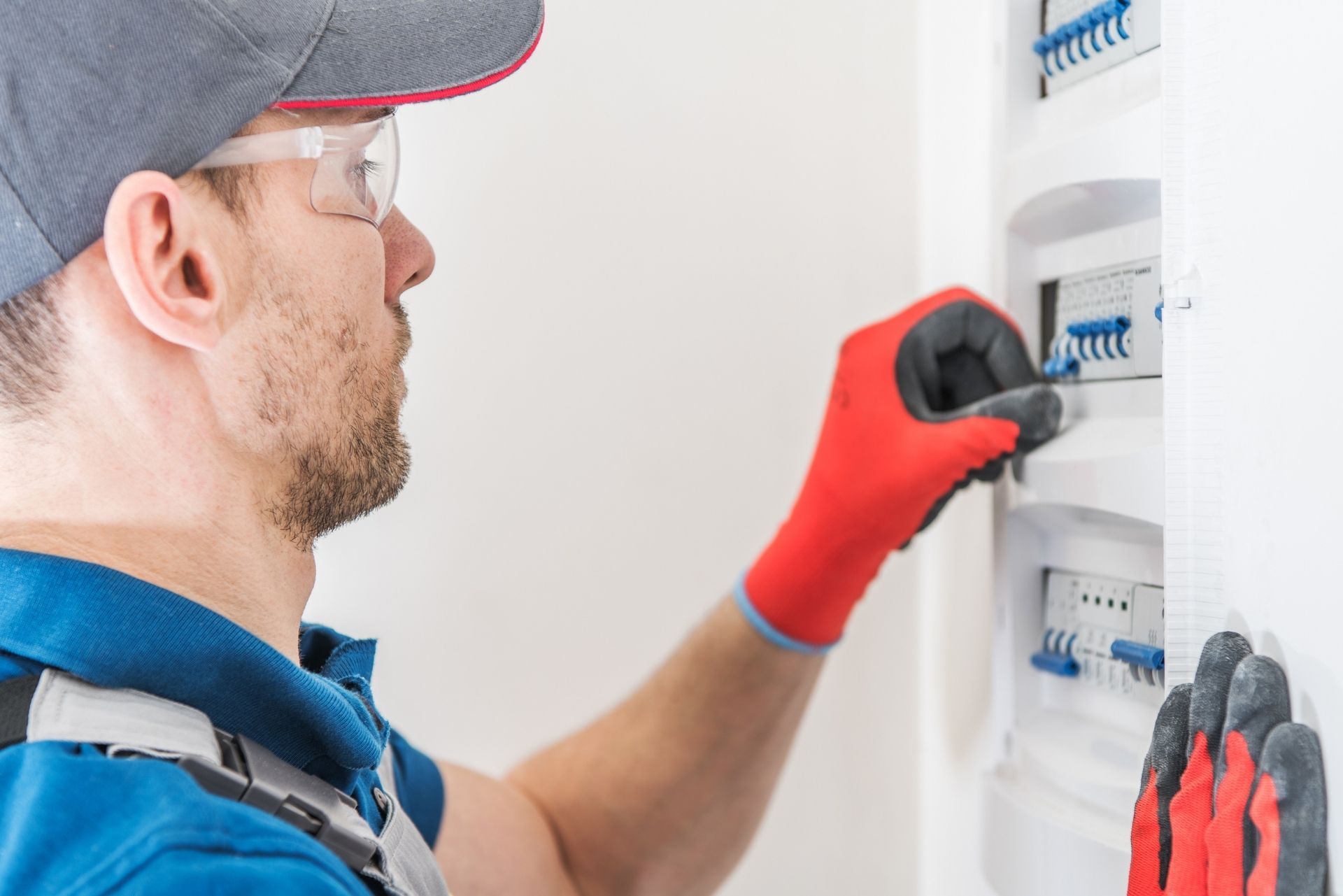
Core Insurance Policies Every Arizona Smart Home Electrician Should Consider
Most electricians carry at least some type of general liability coverage, often because clients or building owners demand it. For smart home work in Arizona, that basic policy is just the starting point. A typical project touches electrical safety, client data, network security, and expensive electronics. Each of those areas ties into a different type of insurance protection.
The right setup is rarely one single, catch all policy. It is usually a combination of liability, property, and specialized coverages that work together. The mix depends on whether the business focuses on residential or commercial jobs, whether it designs systems or only installs them, and how much tech is in the average project.
General Liability For On Site Injuries And Property Damage
General liability is the foundation for most electrical contractors. It addresses situations where work allegedly causes bodily injury or direct physical damage to someone else’s property. For a smart home electrician, that could be a fire tied to faulty wiring, water damage after cutting into a wall near plumbing, or damage to a client’s expensive flooring while running conduit.
Even when the electrician did everything correctly, homeowners and their insurers often start with whoever was recently on the property. General liability coverage steps in for legal defense and potential settlements, which can easily climb beyond what many small contractors can afford out of pocket. Without it, one disputed claim tied to a smart panel or charger installation could threaten the business.
Professional Liability For Design And Advice
Traditional electrical work is mostly about following code and installing equipment according to manufacturer instructions. Smart homes blur that line. Electricians may be recommending device brands, designing automation flows, advising on energy management, and integrating systems that were never originally meant to work together.
When the work involves advice or design choices, professional liability, often called errors and omissions coverage, becomes critical. It addresses claims that the contractor’s recommendations or plans caused a financial loss, even if there is no direct physical damage. An example would be specifying a system layout that cannot support a client’s EV charging and HVAC needs at the same time, leading to overloaded circuits and repeated service calls.
Property And Tools Coverage For Gear On The Move
Smart home projects rely on more than ladders and hand tools. Electricians increasingly carry laptops, tablets, testing equipment, programmers, and specialized gear that may cost thousands of dollars per kit. Those items travel from the shop to the van to job sites, which creates a mix of theft, damage, and loss exposures.
Commercial property coverage can protect equipment at a fixed location, such as an office or warehouse. For tools and devices that move between jobs, a form of inland marine or contractor’s equipment insurance often works better. Losing a programming laptop or diagnostic tool during a busy week can delay multiple projects. Proper coverage helps the business replace gear quickly and get back on schedule.
Workers Compensation And Employer Liability
Even a small smart home electrical team usually has at least a few field technicians, apprentices, or helpers. Climbing ladders, crawling through attics, and working around live circuits will always have some level of physical risk. Workers compensation coverage is designed to handle medical costs and lost wages for employees injured on the job.
In Arizona, carrying this coverage is also a key part of staying in line with state requirements when there are employees on payroll. It can protect the business from lawsuits that might otherwise arise if someone gets hurt while handling heavy equipment, navigating a hot attic in summer, or lifting smart home components into tight spaces.
How Much Does Electrician Insurance Typically Cost?
There is no single price tag for a smart home electrician policy in Arizona. Premiums shift with revenue, payroll size, claims history, and the types of projects the business tackles most often. That said, industry data drawn from hundreds of contractor quotes shows that general liability premiums for electricians often fall within a band of about 0.6 to 1.3 percent of annual revenuegeneral liability cost share of revenue. Smart home specialists with higher average project values or more design responsibility may trend toward the upper edge of that range or beyond.
Adding extra coverages such as professional liability, cyber insurance, or higher limits can raise the total cost, yet that investment often looks small compared with the price of even a single serious claim. When a dispute involves a premium property full of connected devices, legal fees alone can outpace several years of premiums. Many contractors find that structuring coverage around risk rather than around the absolute lowest price leads to far more stable operations.
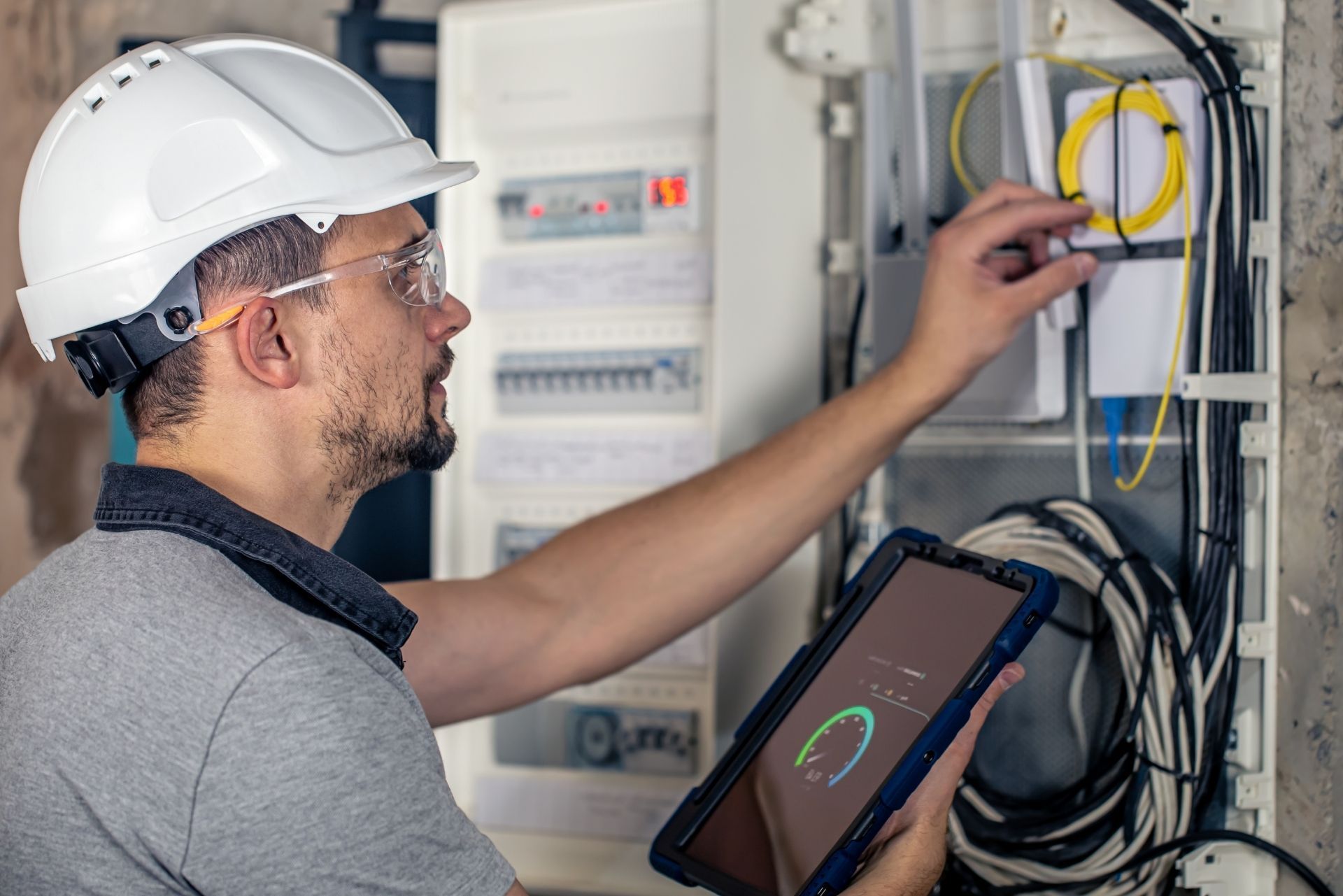
Smart Meters And Connected Power Systems: Safety And Liability
Smart meters, advanced panels, and load management devices are now a common part of the Arizona electrical landscape. Some homeowners worry about health impacts from these meters, since they communicate wirelessly. A year long study by the Arizona Department of Health Services found that transmissions from smart meters sit well below even strict radio frequency safety thresholds, and that these devices pose no hazard to the health of state residentsArizona smart meter safety study. That science based backing is helpful when addressing client concerns.
From an insurance point of view, the absence of a documented health hazard does not remove all risk. Electricians can still be blamed if a homeowner believes a smart meter or related upgrade coincided with headaches, sleep problems, or other issues. They may also be pulled into claims if equipment fails, causes arcing, or triggers a surge that damages electronics. General and professional liability policies become important tools for navigating these disputes, especially when multiple parties such as utilities and device manufacturers are involved.
As smart meters tie into more complex home systems, electricians should document work carefully. Clear diagrams, photos, and notes about how existing systems were left help show that the installation followed code and manufacturer guidelines. Thorough documentation also helps the insurer build a stronger defense if a lawsuit appears later.
Cyber Risks In Smart Homes And Why Electricians Should Care
Every smart thermostat, camera, lock, and speaker runs on software. That software often sits on networks that were never professionally secured. A report by the Society of Actuaries found that a large majority of smart homes contain at least one device that is vulnerable to cyber attacks because of weak credentials or similar gaps, with the study placing the figure at about 69.2 percentsmart home cyber vulnerability rate. When a breach happens, finger pointing can follow.
Electricians who configure routers, help set up apps, or integrate devices into a single control system may be drawn into claims if hacked devices lead to theft, property damage, or privacy violations. Even if the security lapse is clearly tied to a manufacturer or user error, the contractor’s involvement in setup creates perceived responsibility. Traditional liability policies often have limited or no protection for purely cyber driven incidents, which is why many Arizona contractors now look at cyber liability coverage as part of their core insurance lineup.
Insurance specialists that focus on contractors in the state have started to highlight these digital exposures. They point to project management platforms, online billing systems, remote monitoring tools, and connected job site devices as new risk points that did not exist for the previous generation of tradespeopleArizona contractor cyber risk commentary. For a smart home electrician, that list is even longer, which makes a dedicated cyber policy and strong data handling practices very hard to ignore.
Designing An Insurance Program That Fits A Smart Home Electrical Business
Buying a generic contractor policy without tailoring it to the actual work is a missed opportunity. To build better protection, smart home electricians in Arizona can start by mapping their services. Design heavy work, such as specifying automation layouts or integrating home energy systems, points toward higher professional and cyber risk. Basic service calls and code driven upgrades put more weight on general liability and workers compensation.
A practical way to move forward is to group services into categories, such as design, installation, maintenance, and remote support. Each category carries a different mix of exposures. Remote firmware updates, for instance, barely existed for traditional electricians but are now routine for smart device installers. Once the map is clear, it becomes easier to set coverage limits, add endorsements, or request specialties like technology errors and omissions under a single coordinated program.
Contract requirements should also guide decisions. Large builders, commercial property owners, and sophisticated homeowners often demand specific limits, additional insured language, or waiver of subrogation clauses. Those requirements can be negotiated before bids go out, yet only if the electrician understands what they already carry and what their insurer is willing to provide. Keeping a clean, up to date certificate of insurance on file makes it much simpler to win higher tier smart home projects.
Managing Claims And Disputes In A High Tech Environment
Even with excellent workmanship and strong risk management, disputes can arise. In a smart home, assigning fault is rarely simple. Devices may come from several vendors, each with its own app and cloud service. There might be a security company, a solar installer, an HVAC contractor, and the electrician all tied into the same infrastructure. When owners or insurers see a problem, they sometimes call everyone.
Electricians who prepare for that moment tend to fare far better. Having documented job scopes, detailed contracts, and written change orders cuts down on misunderstandings. Using checklists at project closeout, including demonstration videos or signed acknowledgements that systems were operating correctly, gives the insurer concrete evidence if a claim appears a year later.
Prompt reporting to the insurance carrier matters too. Waiting to see whether a frustrated client calms down can backfire if a lawsuit is filed without warning. Many policies expect contractors to report incidents or potential claims as soon as they become aware that an issue might lead to legal action. A quick conversation with the broker or carrier often leads to better outcomes and smoother handling.
Sample Coverage Comparison For Arizona Smart Home Electricians
Not every electrician needs the same depth of protection. A one person shop handling basic residential installations will structure coverage differently from a firm that designs and maintains complex automation for high end properties. The table below outlines how a few common coverage types might appear under three different approaches, ranging from lean to robust.
| Coverage Type | Bare Minimum Contractor | Balanced Smart Home Specialist | Advanced Automation Firm |
|---|---|---|---|
| General Liability | Basic limits, meets only client minimums, few endorsements | Higher limits, includes additional insured wording and completed operations | High limits, tailored endorsements for high value projects and custom work |
| Professional Liability | Usually not purchased | Included to cover design advice and system specifications | Core policy, may include technology specific wording for automation design |
| Cyber Liability | None or very limited add on | Standalone policy or solid endorsement for smart home related work | Standalone policy with coverage for remote monitoring, data breaches, and system outages |
| Business Property And Tools | Basic office contents and some tool protection | Broader protection for electronics, test equipment, and tools in transit | Comprehensive equipment schedule, including specialized tech and spares |
| Workers Compensation | Simple policy, minimal safety programming | Active safety practices, training on ladder and attic work | Formal safety program, regular training on both electrical and tech field hazards |
| Commercial Auto | State minimums, basic liability only | Higher liability limits, physical damage coverage on key vehicles | Fleet style approach with rental reimbursement and downtime planning |
This comparison is only a starting point, not a universal template. Each Arizona smart home electrician should revisit coverage choices at least once a year, paying attention to changes in project size, types of clients, and the amount of technology in each job.
FAQ: Arizona Smart Home Electrician Insurance
Is regular electrician insurance enough for smart home work?
Standard policies often focus on physical injury and obvious property damage. Smart home projects introduce data, software, and design related risks, so most specialists need added protection such as professional and cyber liability.
Do homeowners in Arizona really care about whether an electrician is insured?
With premiums rising and insurers watching claim costs closely, many homeowners ask more questions about contractor coverage. Being properly insured and able to show clear documentation can make it easier to win work and resolve disputes.
What type of claim is most likely in a smart home project?
Common disputes include alleged wiring issues after a device failure, damage to finishes during installation, and complaints about systems not performing as promised. Good contracts and accurate job descriptions often prevent these problems from turning into lawsuits.
Is cyber insurance really necessary for a small smart home shop?
Even a small contractor may handle client Wi Fi credentials, use cloud based project tools, or access smart home dashboards remotely. Cyber insurance is increasingly seen as basic protection once any of those activities are part of daily work.
How can a smart home electrician keep insurance costs under control?
Maintaining clean job sites, documenting work thoroughly, training staff, and responding quickly to client concerns all help reduce claim frequency. Fewer losses often translate into better pricing and more options at renewal.
Does insurance cover defective smart devices themselves?
Often, problems with faulty hardware are handled under manufacturer warranties, not the electrician’s insurance. Coverage may still be triggered if the installation is blamed or if a defect leads to broader property damage.
How often should coverage be reviewed?
Any time the business grows, adds new services, or starts working with larger clients, coverage should be reevaluated. Many contractors choose an annual review rhythm so their insurance does not fall behind their operations.
What Arizona Smart Home Electricians Should Remember
Smart home projects in Arizona are not slowing down. Industry analysis suggests that the state’s electrician sector is on track to reach a market size in the billions of dollars, with projections pointing to about 5.5 billion and steady annual growth as more properties add electrical and technology upgradesArizona electrician market growth projection. With that growth comes more eyes on performance, more contractual obligations, and more complex systems in each home.
At the same time, homeowners are feeling the strain of rising premiums and tougher insurance markets, including recent double digit jumps in average home policy costs across the stateArizona home insurance rate increase data. That pressure often fuels quick blame when something in a house goes wrong, especially if there is modern technology involved. Smart home electricians sit at the intersection of electrical safety, digital security, and client expectations, which makes a strong insurance program more than just a paperwork task.
The contractors who thrive in this environment tend to treat coverage as part of their business toolkit, right alongside their meters and software. They understand their risks, keep clean records, and work with advisors who know both Arizona’s insurance climate and the realities of modern electrical work. With that foundation, smart home electricians can focus on delivering reliable, innovative systems while knowing they have a solid safety net if something goes sideways.
About The Author:
Taylor Whatcott
As President of Wilde Wealth Insurance Services, I’m committed to providing trusted protection for both families and businesses across Arizona. Our independent team works with top-rated carriers to deliver tailored, comprehensive coverage—making insurance simple, accessible, and hassle-free.
Contact Us
Commercial Coverage Solutions
Protect Your Business with the Right Insurance
We offer customized insurance solutions to safeguard your business from financial risks. Our policies provide protection for property, employees, and liability concerns.
Commercial Property Insurance
Safeguards buildings, equipment, and inventory from damage or loss.
Professional Liability Insurance
Covers claims of negligence, errors, or omissions in services.
Cyber Liability Insurance
Protects against data breaches, cyberattacks, and online threats.
Who We Protect
Insurance Solutions for Your Industry
We specialize in providing tailored coverage for businesses in key industries. Our policies are designed to meet industry-specific risks and ensure complete protection.




Protection for Your Home & Assets
Reliable Coverage for Life’s Unexpected Moments
We provide personal insurance solutions designed to safeguard your home, vehicle, and financial well-being. Our policies ensure you and your loved ones are protected.







What Our Clients Say
Real Feedback. Real Confidence.
FAQs
Answers to Common Insurance Questions
How do I know which insurance coverage is right for me?
Choosing the right insurance depends on your personal or business needs. Our team evaluates your risks and recommends tailored coverage to protect what matters most.
We work with multiple carriers to provide different policy options. This allows you to compare benefits, limits, and pricing to make an informed choice.
If you’re unsure, we’ll walk you through the options step by step, ensuring you understand your coverage and feel confident in your decision.
Why should I choose an independent insurance agency like Wilde Wealth?
As an independent agency, we are not tied to a single insurance provider. This means we can compare multiple policies to find the best coverage at the best price.
Our goal is to advocate for you, ensuring you receive personalized service and expert advice tailored to your situation.
Unlike direct insurers, we offer ongoing support, helping you with claims, policy changes, and future coverage needs.
Can I bundle multiple insurance policies to save money?
Yes! Bundling policies like home and auto can lead to significant savings. Many carriers offer discounts for combining multiple coverages.
Bundling also simplifies policy management, with a single point of contact and streamlined renewals.
We help you explore bundling options to ensure you get the best value while maintaining the protection you need.
What factors affect my insurance rates?
Insurance rates are influenced by factors such as coverage limits, location, claims history, and risk exposure. Personal insurance may consider credit scores, driving history, and home value.
For businesses, factors like industry type, employee count, and annual revenue can impact pricing. Each carrier evaluates risk differently.
We shop multiple providers to find the best balance of coverage and cost, ensuring you don’t overpay while staying fully protected.
How does Wilde Wealth Insurance Services help business owners?
We provide customized business insurance solutions to protect against liability, property damage, employee-related risks, and cyber threats.
Our team works with a range of industries, including contractors, restaurants, and real estate professionals, to offer tailored policies.
From small startups to established enterprises, we help business owners minimize risks and keep operations running smoothly.
What happens if I need to file a claim?
Filing a claim is simple with our support. Contact us first, and we’ll guide you through the process, ensuring all necessary information is submitted correctly.
We work directly with your insurance carrier to expedite the claim, keeping you informed at every step.
Our team is here to advocate for you, making sure you receive a fair and timely resolution.
Latest Articles & Insights
Stay Informed with Expert Insurance Advice
We provide valuable insights to help you make informed insurance decisions. Explore our latest articles on coverage options, industry trends, and risk management tips.

Contact Us