
Arizona Landscape Architect Insurance
See How We're Different:
or Call Us:(480) 526-3222

Arizona's landscape architecture industry faces a unique combination of professional risks that general business insurance simply doesn't address. From designing water-efficient xeriscapes that must survive triple-digit summers to specifying irrigation systems for commercial developments, your work carries liability exposures that extend years beyond project completion. A single design flaw in a retention basin or miscalculated drainage plan can trigger claims that threaten everything you've built.
This insurance guide for Arizona landscape architect business owners breaks down the specific coverages you need, the regional risks that demand attention, and practical strategies for managing premium costs without sacrificing protection. Whether you're a sole practitioner handling residential projects or running a firm with multiple licensed professionals, understanding these insurance fundamentals protects both your livelihood and your clients.
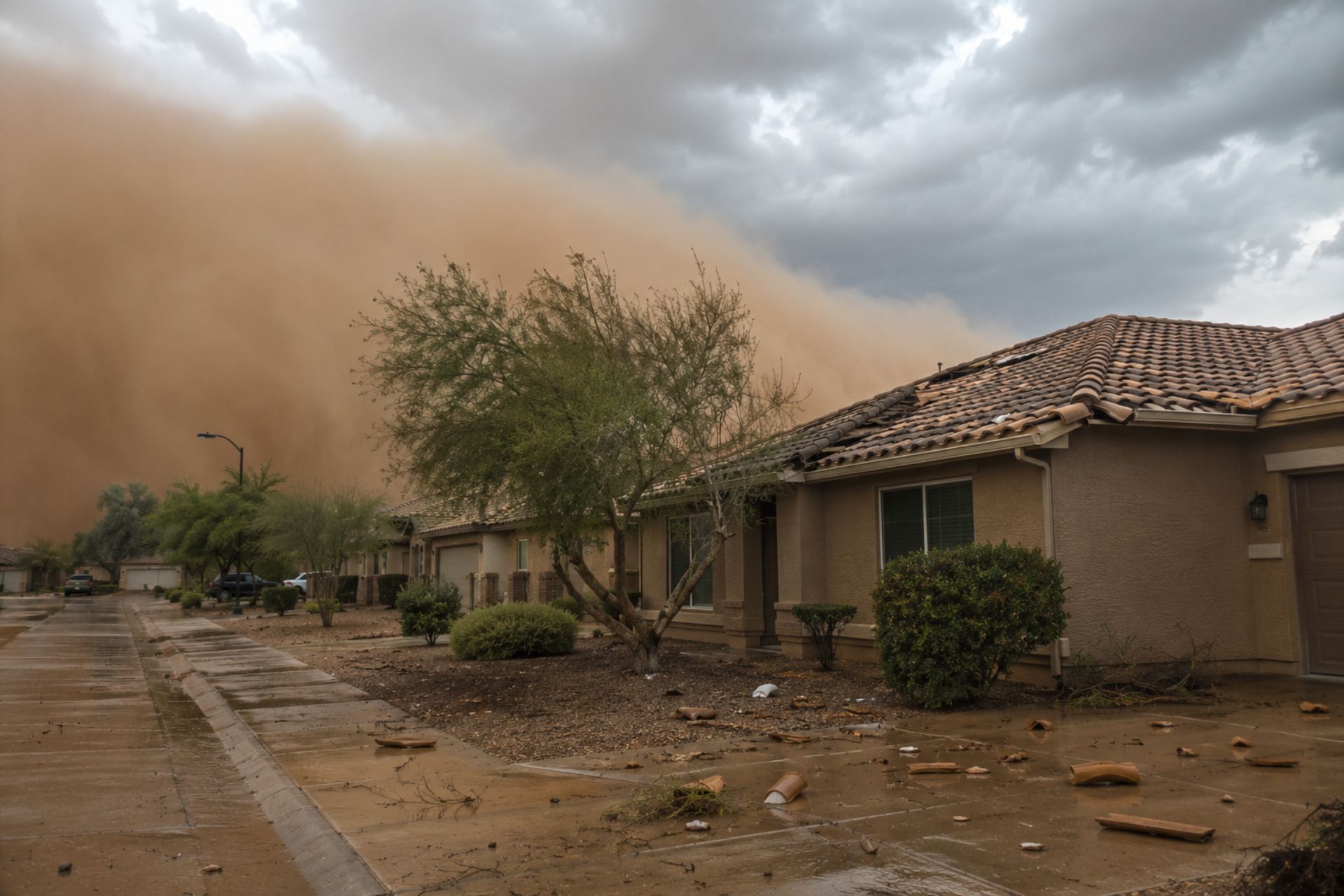
The desert Southwest presents challenges you won't find in insurance guides written for temperate climates. Monsoon flooding, extreme heat exposure, and the specialized equipment required for desert landscaping all factor into your risk profile. Getting this right means matching coverage to the actual work you perform, not settling for generic policies that leave dangerous gaps.
Core Insurance Requirements for Arizona Landscape Professionals
Professional Liability and Errors and Omissions
Professional liability insurance, often called errors and omissions coverage, protects you when clients claim your design work caused them financial harm. This isn't about physical injuries on job sites: it covers allegations that your plans were flawed, your specifications were incorrect, or your professional judgment led to project failures.
Arizona landscape architects face E&O claims ranging from plant selections that fail to thrive in specific microclimates to grading designs that cause drainage problems on neighboring properties. These claims often surface two or three years after project completion, when irrigation systems fail or hardscape installations crack under thermal stress.
Most policies provide claims-made coverage, meaning the policy in force when a claim is filed responds, not the policy active when the alleged error occurred. This distinction matters enormously if you change carriers or let coverage lapse. Tail coverage, which extends your reporting period after a policy ends, typically costs 150% to 200% of your annual premium but prevents gaps that could leave you exposed.
General Liability for Site Visits and Operations
General liability insurance covers bodily injury and property damage claims arising from your business operations. When you visit client properties, conduct site assessments, or supervise installation contractors, you're exposed to premises liability risks that professional liability won't touch.
A client trips over your survey equipment and breaks an arm. Your site visit damages an underground utility line. A tree you recommended falls and damages a neighbor's fence. General liability responds to these scenarios with coverage for medical expenses, legal defense, and settlements.
Arizona requires minimum liability limits for certain public contracts, typically $1 million per occurrence and $2 million aggregate. Private clients increasingly demand certificates of insurance showing similar limits before signing design contracts.
Arizona Workers' Compensation Mandates
Arizona law requires workers' compensation coverage for any business with employees, including part-time staff and seasonal help. There's no minimum employee threshold: even one employee triggers the requirement. Penalties for non-compliance include fines up to $1,000 per day and personal liability for injury costs.
Sole proprietors and partners can elect to exclude themselves from coverage, but this decision deserves careful consideration. If you're injured during a site visit and can't work for months, workers' comp would provide wage replacement and medical coverage that health insurance might not fully address.
Classification codes matter significantly for landscape architects. Your premium is calculated partly on payroll and partly on the risk classification of your work. Field work carries higher rates than office-based design work, so accurate classification prevents both overpayment and audit surprises.
Addressing Region-Specific Risks in the Southwest
Xeriscaping and Irrigation System Failures
Desert landscaping relies heavily on
drip irrigation systems that must function flawlessly in extreme conditions. When you specify irrigation components, design zone layouts, or calculate water requirements, you're taking on liability for system performance. A design flaw that wastes water or kills expensive specimen plants can generate substantial claims.
| Coverage Type | What It Protects | Typical Claim Scenario |
|---|---|---|
| Professional Liability | Design errors and specifications | Irrigation zones improperly calculated, causing plant loss |
| General Liability | Physical damage during operations | Contractor damages irrigation mainline during site visit |
| Inland Marine | Your equipment and tools | Soil moisture sensors stolen from job site |
Xeriscaping projects carry particular risk because plant replacement costs in desert environments run significantly higher than traditional landscapes. A mature saguaro cactus can cost $100 per foot of height, and established desert trees often exceed $5,000 to replace. Your coverage limits should reflect these replacement values.
Heat-Related Liability and Project Delays
Arizona's extreme summer temperatures create liability exposures that landscape architects in cooler climates never consider. Concrete poured above recommended temperatures can fail. Asphalt surfaces installed during heat waves may not cure properly. Plants installed in July face survival rates dramatically lower than fall installations.
Your professional liability coverage should address claims arising from project scheduling decisions. If you recommend summer installation to meet a client's deadline and materials fail due to heat exposure, you may face allegations of professional negligence. Documenting your recommendations and client decisions about timing provides crucial evidence if claims arise.
Heat also affects your employees and any field staff. Arizona OSHA regulations require heat illness prevention programs, and workers' compensation claims for heat-related injuries have increased substantially as summer temperatures break records. Training documentation and hydration protocols can reduce both injuries and premium costs.
Protecting Business Assets and Physical Property
Commercial Auto Insurance for Field Work
Personal auto policies exclude business use, meaning your coverage could be denied if you're in an accident while traveling to a client site. Commercial auto insurance closes this gap for vehicles you own, lease, or use for business purposes.
Hired and non-owned auto coverage extends protection to rental vehicles and employee-owned cars used for business errands. If your project manager drives their personal vehicle to a site meeting and causes an accident, your hired and non-owned coverage responds to claims exceeding their personal policy limits.
Arizona requires minimum auto liability limits of $25,000 per person and $50,000 per accident for bodily injury, plus $15,000 for property damage. These minimums are dangerously low for business use. Most commercial policies start at $100,000/$300,000/$100,000 or higher, with umbrella coverage available for additional protection.
Inland Marine Coverage for Specialized Equipment
Despite its nautical name, inland marine insurance covers movable property and specialized equipment used at various locations. For landscape architects, this includes surveying instruments, soil testing equipment, drones used for site documentation, and computer equipment taken to client meetings.
Standard property insurance covers items at your office location but often excludes or limits coverage for property in transit or at job sites. Inland marine fills this gap with coverage that follows your equipment wherever work takes you.
Scheduled coverage lists specific high-value items with agreed values, eliminating disputes about replacement costs after a loss. Unscheduled coverage provides blanket protection for categories of equipment up to specified limits. Most landscape architecture firms benefit from combining both approaches.

Contractual Risk Management and Compliance
Meeting State Board of Technical Registration Standards
Arizona's State Board of Technical Registration oversees landscape architect licensing and can require proof of insurance for license renewal or disciplinary proceedings. While the Board doesn't mandate specific coverage amounts, demonstrating adequate insurance shows professional responsibility and can influence disciplinary outcomes.
Many public agencies and institutional clients require landscape architects to maintain insurance meeting specific thresholds throughout project duration. Common requirements include $1 million professional liability limits, $1 million general liability per occurrence, and workers' compensation at statutory limits.
Certificate of insurance requests should be handled carefully. Adding additional insured status to your general liability policy extends coverage to clients for claims arising from your work. This costs nothing with most policies but creates contractual obligations you should understand before agreeing.
Indemnification Clauses in Design Contracts
Design contracts routinely include indemnification provisions requiring you to defend and hold harmless clients from claims arising from your work. These clauses can expand your liability beyond what insurance covers if they're poorly drafted or overly broad.
Review indemnification language before signing, and negotiate mutual indemnification that limits your obligations to claims caused by your negligence. Broad-form indemnification that makes you responsible for client negligence may not be insurable and creates unreasonable risk.
Your insurance carrier may need to review contracts with unusual indemnification requirements. Some professional liability policies exclude coverage for contractually assumed liability that exceeds your common law obligations. Discovering this exclusion after a claim is filed creates serious problems.
Implementing Robust Quality Control Procedures
Insurance carriers reward firms that demonstrate systematic approaches to risk management. Documented quality control procedures, peer review of designs, and standardized checklists show underwriters you're actively preventing claims rather than just insuring against them.
Specific practices that can reduce professional liability premiums include written project documentation standards, formal review processes before plan submission, and continuing education programs for staff. Some carriers offer premium credits of 5% to 15% for firms with documented risk management programs.
Claims history affects premiums more than any other factor. A single significant claim can increase rates by 25% or more and remain on your record for five years. Investing in quality control that prevents claims delivers returns far exceeding the implementation costs.
Bundling Policies via Business Owner's Plans (BOP)
Business owner's policies combine general liability, commercial property, and business interruption coverage into a single package at rates lower than purchasing each coverage separately. For landscape architecture firms with modest property exposures, BOPs offer an efficient foundation for insurance programs.
That said, BOPs have coverage limits and exclusions that may not suit every firm. Professional liability is never included and must be purchased separately. Auto coverage requires a separate commercial auto policy. Firms with significant equipment values may need inland marine coverage beyond BOP limits.
Work with an agent who understands design professional risks to evaluate whether a BOP meets your needs or whether separate policies provide better protection. The premium savings from bundling only matter if the coverage actually protects you when claims arise.
Frequently Asked Questions
How much does professional liability insurance cost for Arizona landscape architects? Annual premiums typically range from $2,500 to $8,000 for small firms, depending on revenue, project types, and claims history. Larger firms with public sector work often pay $15,000 or more.
Can I use my personal auto insurance for business site visits? No. Personal policies exclude business use, and claims can be denied if you're driving for work purposes. Commercial auto or hired/non-owned coverage is essential.
What happens if I let my professional liability lapse between projects? Claims-made policies only cover claims reported while coverage is active. If a client files a claim after your policy lapses, you'll have no coverage even if the alleged error occurred when you were insured.
Does general liability cover my design recommendations? No. General liability covers bodily injury and property damage from your operations, not professional services. Design errors require professional liability coverage.
Are independent contractors I hire covered under my insurance? Generally not. Require certificates of insurance from contractors and verify their coverage is active before they begin work on your projects.
Making the Right Coverage Decisions
Protecting your Arizona landscape architecture practice requires understanding both universal business risks and the specific exposures created by desert climate conditions. The right insurance program matches coverage to your actual operations, satisfies contractual requirements, and provides financial protection that lets you focus on design work rather than liability worries.
Start by documenting your current operations, project types, and contractual obligations. Review existing policies for gaps that leave you exposed. Work with an insurance professional who understands design professional liability and can explain how different coverages interact.
Your next step should be requesting quotes from carriers that specialize in design professional coverage. General business insurers often lack the expertise to properly underwrite landscape architecture risks, leading to either inadequate coverage or excessive premiums. The investment in finding the right coverage partner pays dividends every time you sign a new client contract.
About The Author:
Taylor Whatcott
As President of Wilde Wealth Insurance Services, I’m committed to providing trusted protection for both families and businesses across Arizona. Our independent team works with top-rated carriers to deliver tailored, comprehensive coverage—making insurance simple, accessible, and hassle-free.
Contact Us
Commercial Coverage Solutions
Protect Your Business with the Right Insurance
We offer customized insurance solutions to safeguard your business from financial risks. Our policies provide protection for property, employees, and liability concerns.
Commercial Property Insurance
Safeguards buildings, equipment, and inventory from damage or loss.
Professional Liability Insurance
Covers claims of negligence, errors, or omissions in services.
Cyber Liability Insurance
Protects against data breaches, cyberattacks, and online threats.
Who We Protect
Insurance Solutions for Your Industry
We specialize in providing tailored coverage for businesses in key industries. Our policies are designed to meet industry-specific risks and ensure complete protection.




Protection for Your Home & Assets
Reliable Coverage for Life’s Unexpected Moments
We provide personal insurance solutions designed to safeguard your home, vehicle, and financial well-being. Our policies ensure you and your loved ones are protected.







What Our Clients Say
Real Feedback. Real Confidence.
FAQs
Answers to Common Insurance Questions
How do I know which insurance coverage is right for me?
Choosing the right insurance depends on your personal or business needs. Our team evaluates your risks and recommends tailored coverage to protect what matters most.
We work with multiple carriers to provide different policy options. This allows you to compare benefits, limits, and pricing to make an informed choice.
If you’re unsure, we’ll walk you through the options step by step, ensuring you understand your coverage and feel confident in your decision.
Why should I choose an independent insurance agency like Wilde Wealth?
As an independent agency, we are not tied to a single insurance provider. This means we can compare multiple policies to find the best coverage at the best price.
Our goal is to advocate for you, ensuring you receive personalized service and expert advice tailored to your situation.
Unlike direct insurers, we offer ongoing support, helping you with claims, policy changes, and future coverage needs.
Can I bundle multiple insurance policies to save money?
Yes! Bundling policies like home and auto can lead to significant savings. Many carriers offer discounts for combining multiple coverages.
Bundling also simplifies policy management, with a single point of contact and streamlined renewals.
We help you explore bundling options to ensure you get the best value while maintaining the protection you need.
What factors affect my insurance rates?
Insurance rates are influenced by factors such as coverage limits, location, claims history, and risk exposure. Personal insurance may consider credit scores, driving history, and home value.
For businesses, factors like industry type, employee count, and annual revenue can impact pricing. Each carrier evaluates risk differently.
We shop multiple providers to find the best balance of coverage and cost, ensuring you don’t overpay while staying fully protected.
How does Wilde Wealth Insurance Services help business owners?
We provide customized business insurance solutions to protect against liability, property damage, employee-related risks, and cyber threats.
Our team works with a range of industries, including contractors, restaurants, and real estate professionals, to offer tailored policies.
From small startups to established enterprises, we help business owners minimize risks and keep operations running smoothly.
What happens if I need to file a claim?
Filing a claim is simple with our support. Contact us first, and we’ll guide you through the process, ensuring all necessary information is submitted correctly.
We work directly with your insurance carrier to expedite the claim, keeping you informed at every step.
Our team is here to advocate for you, making sure you receive a fair and timely resolution.
Latest Articles & Insights
Stay Informed with Expert Insurance Advice
We provide valuable insights to help you make informed insurance decisions. Explore our latest articles on coverage options, industry trends, and risk management tips.

Contact Us