Wilde Wealth Insurance
Business Owners Policy vs General Liability for Arizona Businesses
Choosing the right insurance policy is one of the most consequential decisions you'll make as an Arizona business owner, yet it's also one of the most confusing. The terms sound similar, the coverage overlaps in places, and the wrong pick can leave you exposed to losses that could shut your doors. Whether you run a Scottsdale boutique, a Tucson consulting firm, or a Mesa contracting company, understanding how a business owners policy compares to general liability coverage will save you money and protect your livelihood. Arizona's commercial insurance market has its own quirks, too: state-specific regulations, desert-climate property risks, and a booming small business sector all shape what you actually need. This guide breaks down the real differences, costs, and scenarios so you can make a confident choice.
Understanding Liability Protection for Arizona Small Businesses
Arizona ranks among the fastest-growing states for small business formation, and that growth brings risk. Every customer who walks through your door, every service you provide, and every product you sell creates potential exposure. Two insurance products dominate the conversation for most small operations: general liability (GL) insurance and the business owners policy, commonly called a BOP. They aren't interchangeable, and picking the wrong one could mean paying for coverage you don't need or, worse, missing coverage you desperately do.
What is General Liability Insurance?
General liability insurance covers third-party claims against your business for bodily injury, property damage, and personal or advertising injury. If a customer slips on your freshly mopped floor, or your marketing campaign accidentally uses a competitor's copyrighted slogan, GL is the policy that responds. It doesn't cover your own property, your employees' injuries, or lost income if you have to close temporarily.
Arizona small businesses typically pay around $122 per month for general liability coverage, though that number swings based on your industry, revenue, and claims history. A home-based bookkeeper will pay far less than a general contractor working residential job sites. Most GL policies carry a $1 million per-occurrence limit and a $2 million aggregate, which is enough for many service-based businesses but not necessarily for those with physical locations and inventory.
The Bundle Advantage: What is a Business Owners Policy (BOP)?
A BOP packages general liability with commercial property insurance and, in most cases, business interruption coverage. Think of it as a combo meal: you get the core liability protection plus coverage for your building, equipment, inventory, and lost income if a covered event forces you to close. Many BOPs also include extras like data breach liability and equipment breakdown coverage at no additional charge.
The bundled structure of a BOP typically costs less than buying each component separately. For Arizona businesses with a physical storefront or office, that savings is significant. A BOP isn't available to every business, though. Insurers generally reserve them for small to mid-sized companies with fewer than 100 employees and under $5 million in annual revenue. High-risk industries like roofing contractors or nightclubs usually can't qualify.
Key Differences in Coverage and Protection
On the surface, GL and a BOP look like they do the same thing. They don't. The distinction matters most when you file a claim and discover what your policy actually pays for.
Property vs. Liability: Where the Lines are Drawn
General liability only responds to claims from others against you. If a monsoon blows debris through your storefront window, GL won't pay to replace the glass or the damaged merchandise inside. You'd need a separate commercial property policy for that, or you'd need a BOP, which includes property coverage by default.
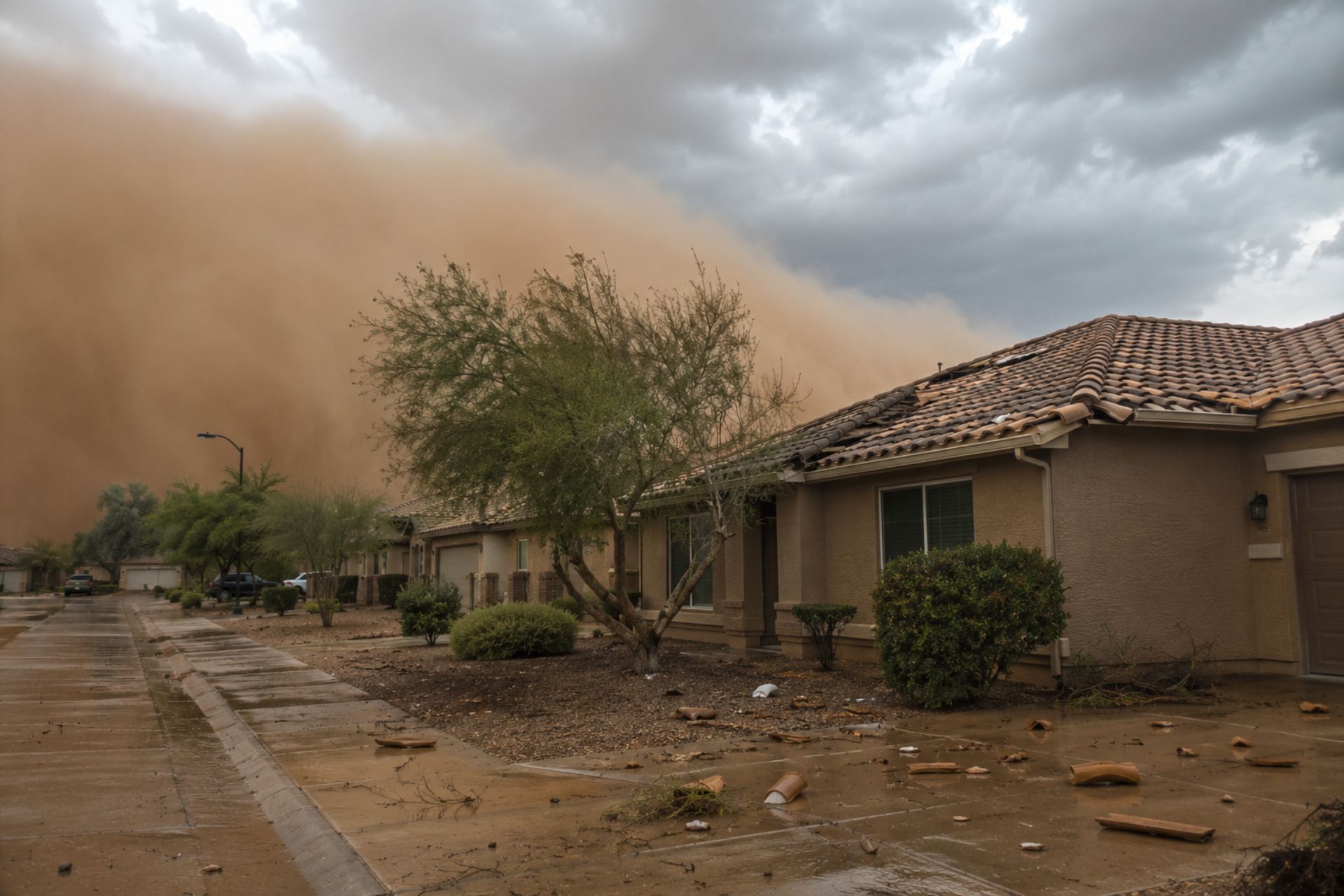
This is where Arizona's geography plays a role. Dust storms, extreme heat, and flash flooding create property risks that businesses in milder climates don't face. A standalone GL policy leaves you fully exposed to those hazards. A BOP wraps property protection into the same policy, covering your building (if you own it), tenant improvements, furniture, computers, and stock. One policy, one premium, one deductible for property claims.
Business Interruption: Protecting Arizona Revenue Streams
Here's a scenario I've seen play out multiple times: a small restaurant suffers fire damage to its kitchen. The owner has GL insurance, so he assumes he's covered. He isn't. GL doesn't pay for lost revenue during the weeks his kitchen is being rebuilt. It doesn't cover the ongoing rent, payroll, or utility bills that keep piling up while the doors are locked.
A BOP includes business interruption coverage, which replaces your lost income and covers continuing expenses during a covered shutdown. For Arizona businesses dealing with unique insurance requirements and climate-related risks, this coverage can be the difference between reopening and closing permanently. The policy pays out based on your financial records, so keeping clean books matters.
Side-by-Side Comparison: GL vs. BOP
Numbers and features are easier to compare in a structured format. Here's how the two options stack up for a typical Arizona small business.
Comparison Table: Coverage Features and Limits
| Feature | General Liability (GL) | Business Owners Policy (BOP) |
|---|---|---|
| Third-party bodily injury | Yes | Yes |
| Third-party property damage | Yes | Yes |
| Personal/advertising injury | Yes | Yes |
| Your building/tenant improvements | No | Yes |
| Your equipment and inventory | No | Yes |
| Business interruption/lost income | No | Yes |
| Data breach liability | No | Often included |
| Equipment breakdown | No | Often included |
| Average monthly cost (AZ) | ~$122/month | ~$150-$170/month |
| Best for | Service-only, no physical location | Retail, offices, restaurants |
| Availability | Nearly all businesses | Small-to-mid-sized, lower-risk |
The cost difference between GL alone and a full BOP is often less than many business owners expect. You're typically paying 25-40% more for significantly broader protection. That extra $30-$50 per month buys property coverage, business interruption, and several endorsements that would cost more if purchased individually.
Determining the Right Choice for Your Industry
Not every Arizona business needs a BOP, and not every business can get by with just GL. Your industry, physical footprint, and revenue model should drive the decision.
When General Liability is Sufficient
If you operate without a physical commercial space and don't own significant business equipment, standalone GL may be all you need. This applies to freelancers, consultants, and home-based service providers who work at client sites or remotely. A mobile dog groomer who operates from a van, for instance, doesn't have a storefront to insure or inventory to protect.
GL is also the right starting point for brand-new businesses testing a concept before committing to a lease. You can always upgrade to a BOP later when your operations expand. Some Arizona contractors rely on GL as their primary policy because their work happens on other people's property, though many supplement it with tools and equipment floaters.
One thing to keep in mind: GL alone leaves gaps that can surprise you. I've seen business owners assume their landlord's insurance covers their equipment inside a leased space. It almost never does.
Why Most Arizona Retailers and Offices Need a BOP
If you lease or own commercial space, keep inventory on-site, or rely on equipment to generate revenue, a BOP is almost always the smarter choice. Arizona's retail and professional office sectors are prime candidates. A Chandler hair salon with $40,000 in styling equipment, a Flagstaff gift shop with seasonal inventory, or a Phoenix accounting firm with servers full of client data all need more than liability coverage.
The BOP also makes sense financially. Buying GL, commercial property, and business interruption as three separate policies costs more and creates administrative headaches with multiple renewal dates and deductibles. The insurance needs of Arizona small businesses are best met by a single policy that covers the most common risks in one package.
That said, a BOP has limits. It won't replace workers' compensation, commercial auto, or professional liability insurance. Think of it as your foundation, not your entire insurance program.
Frequently Asked Questions About Arizona Business Insurance
Does Arizona require businesses to carry general liability insurance? Arizona doesn't mandate GL for most businesses, but many commercial landlords, clients, and licensing boards require proof of coverage before you can sign a lease or bid on a contract. The Arizona Department of Insurance and Financial Institutions oversees state insurance regulations.
Can I add coverage to a BOP if the standard package isn't enough? Yes. Most insurers let you add endorsements for things like hired/non-owned auto liability, cyber liability upgrades, or increased property limits. Your agent can tailor the BOP to your specific risks.
Is a BOP cheaper than buying the same coverages separately? Almost always. The bundled pricing typically saves 15-30% compared to purchasing general liability, commercial property, and business interruption as individual policies. The actual cost depends on your industry, location, and payroll.
What types of businesses can't get a BOP? Insurers exclude high-risk operations like bars, nightclubs, large manufacturers, and businesses with more than 100 employees. If your annual revenue exceeds $5 million, you'll likely need a commercial package policy instead.
Do I still need workers' comp if I have a BOP? Yes. Arizona requires workers' compensation for nearly all employers, and a BOP doesn't include it. These are completely separate policies covering different risks.
What happens if I only have GL and my office floods during monsoon season? Your GL policy won't pay a dime for your own property damage. You'd be responsible for replacing furniture, computers, inventory, and any tenant improvements out of pocket. Flood damage may also require a separate flood policy even with a BOP, since standard property coverage excludes flood in most cases.
Making the Right Choice for Your Local Business
The decision between a business owners policy and general liability coverage comes down to one question: do you have property, equipment, or income to protect beyond third-party claims? If the answer is yes, a BOP gives you broader protection for a modest increase in premium. If you're a service-only operator working from home or on client sites, GL alone may cover your needs for now.
Arizona's business environment rewards preparation. Between monsoon damage, the state's rapid growth, and increasing client expectations around insurance requirements, carrying the right coverage protects both your assets and your reputation. Don't wait for a claim to find out you chose the wrong policy.
Talk to a licensed Arizona insurance agent who can review your specific operations, property values, and revenue. Get quotes for both GL and a BOP side by side, and compare not just the premiums but the actual coverage you're getting. The cheapest policy isn't always the best value, and the best value depends entirely on what you stand to lose.