
Arizona Generator Technician Insurance
See How We're Different:
or Call Us:(480) 526-3222
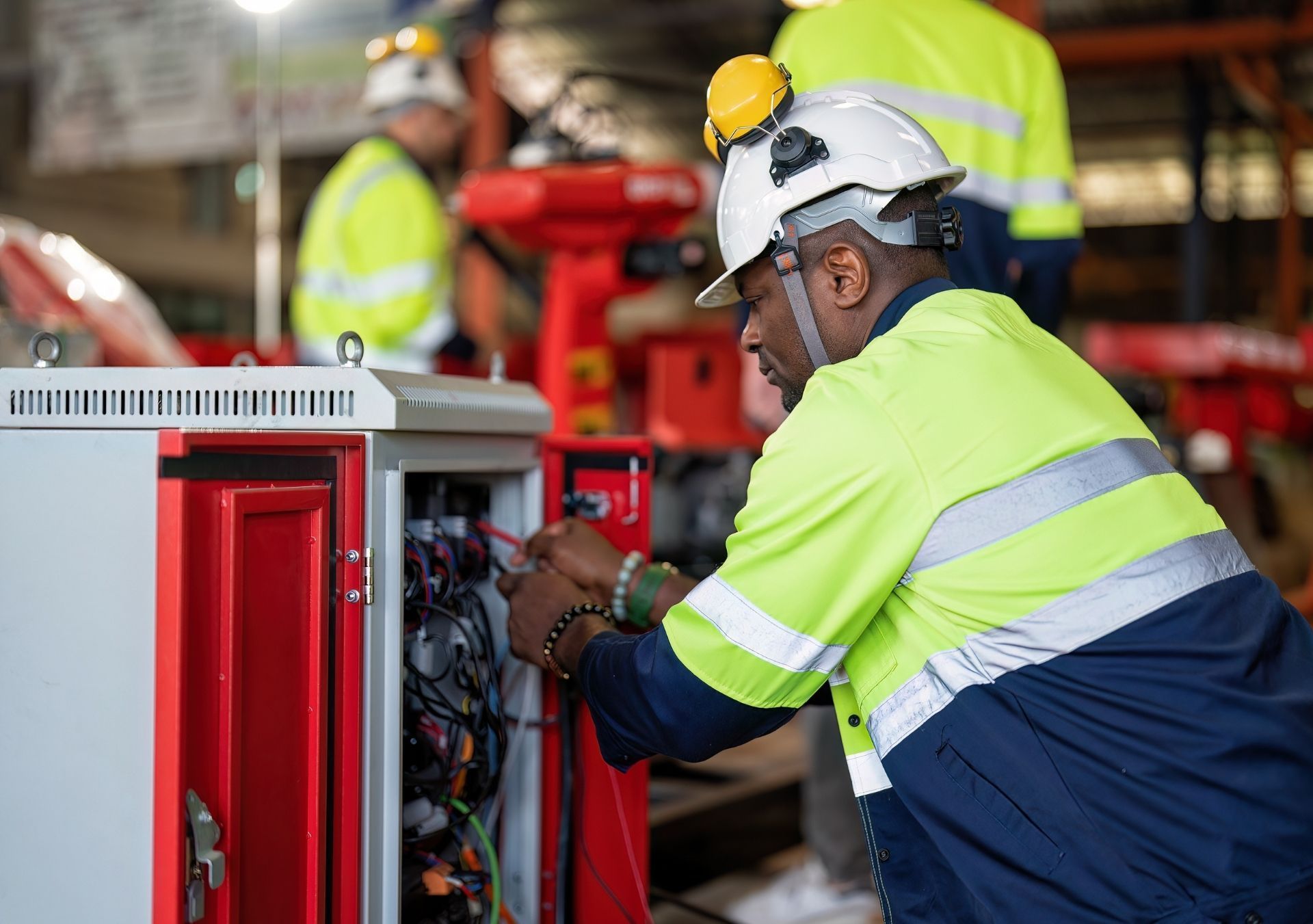
A power outage in the middle of a desert summer is more than an inconvenience. For many Arizona homes and businesses, the only thing standing between comfort and real safety concerns is a properly installed generator. Generator technicians step into that pressure zone every day, often working in tight spaces, around live electrical systems and expensive client equipment. It only takes one mistake or one unlucky accident for a routine job to become a costly claim.
Across the state, skilled trades are expanding fast. Arizona’s HVAC sector alone is projected to see a 51.4 percent increase in technician jobs between 2014 and 2024, adding about 420 new positions annuallyaccording to one industry analysis. Generator technicians often operate in the same environments, with similar risks and business models. That growth creates opportunity, but it also raises the stakes for having the right insurance structure in place.
Many generator specialists carry some form of coverage because a client or
general contractor asked for a certificate. The problem is that a bare minimum policy rarely matches the risks that come with handling high voltage systems, fuel storage, and emergency backup equipment. Understanding what to buy, how policies interact, and where exclusions can sneak up is the difference between a claim that is handled smoothly and a claim that threatens the future of the business.
Why Arizona generator technicians face unique insurance risks
Generator work is not the same as general electrical repair. Technicians deal with larger equipment, complex transfer switches, and systems that are expected to perform during extreme events. When a standby generator fails, the result can be spoiled inventory, damaged medical equipment, frozen pipes, or halted operations. Those downstream losses are exactly the kinds of disputes that often end up as insurance claims or lawsuits.
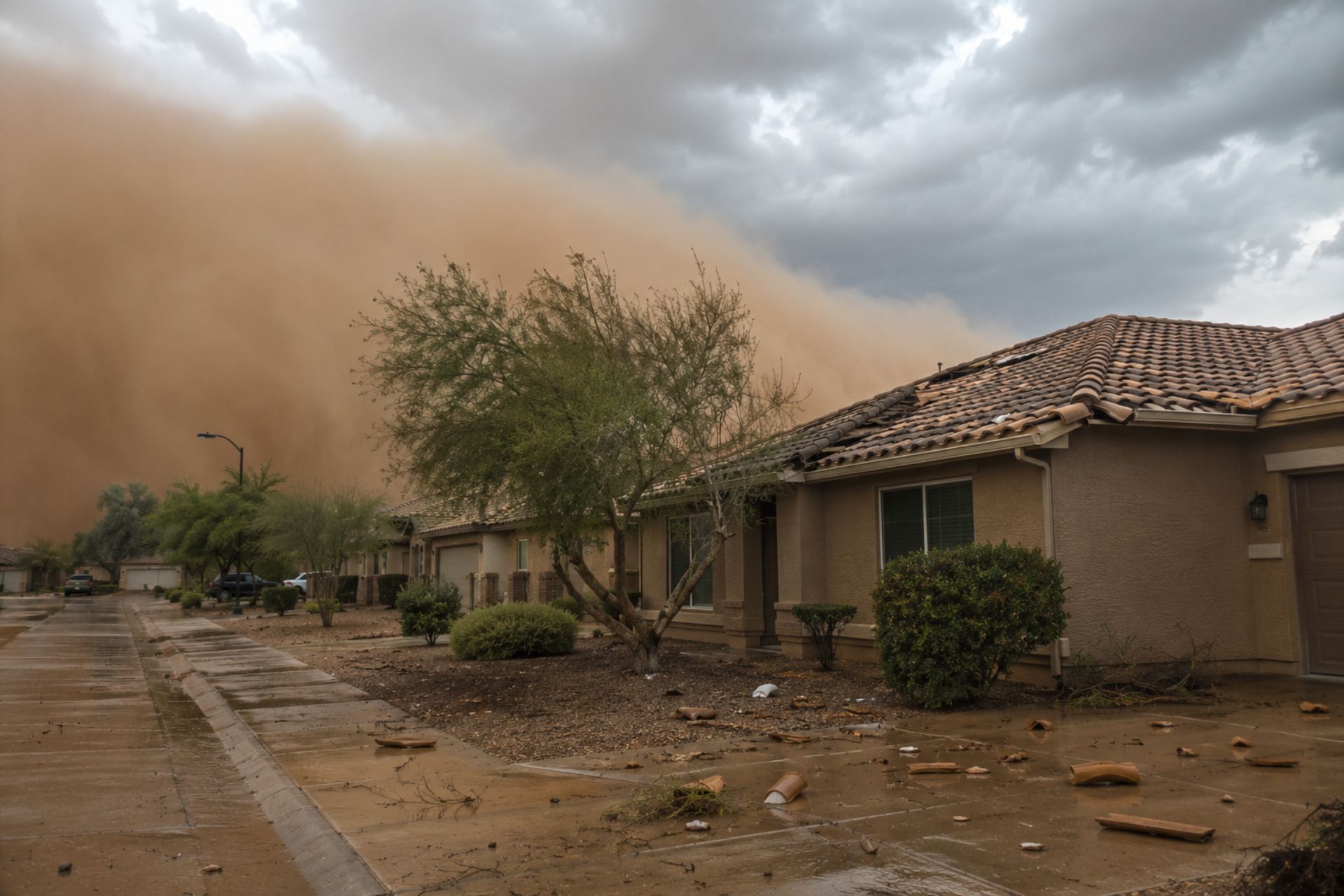
Arizona’s climate adds another layer. Long heat waves push power grids hard, so demand for backup power keeps climbing. That demand puts more generator installers and service technicians on job sites, often working in a hurry when storms are in the forecast or when wildfires threaten transmission lines. Between 2021 and 2024, homeowners insurance rates in Arizona rose by 48 percent, with some residents in wildfire prone areas seeing annual premiums jump from 1,450 dollars to 4,500 dollarsaccording to testimony shared with federal lawmakers. That level of property risk heightens scrutiny on any contractor who works around a structure’s electrical systems and fuel sources.
Generator technicians also sit at the intersection of several exposure categories. Work is often performed at client locations, sometimes as a subcontractor, sometimes directly for property owners, sometimes under maintenance contracts. One week might involve a small portable generator for a homeowner, the next a large commercial unit with parallel switchgear. Each scenario triggers slightly different liability and property concerns. A policy designed for a simple handyman operation rarely fits those nuances.

Core insurance coverages every generator technician should consider
The right insurance program for a generator technician is usually a combination of several policies. Some protect against claims from clients and the public. Others protect the technician’s own tools, vehicles, and employees. A few address higher level business risks like contracts and cyber exposures. Thinking about coverage in categories makes the choices less overwhelming and helps avoid dangerous gaps.
What works best depends on how the business is structured. A solo technician who handles only residential installs will need a different mix than a company that services industrial generators in data centers or hospitals. Still, there are core coverages that almost every generator contractor in Arizona should at least evaluate carefully.
General liability insurance
General liability is usually the first policy a generator technician buys, and for good reason. This coverage is designed to respond if a client or third party alleges bodily injury or property damage caused by the technician’s operations. Think about a fuel leak that damages landscaping, a dropped generator that cracks a client’s driveway, or a miswired transfer switch that fries sensitive electronics. Those allegations typically land in general liability territory.
Most commercial clients require proof of general liability before allowing a contractor onto their property. The trap is assuming that meeting a contract minimum automatically means being properly protected. Policy forms can exclude certain types of work, limit coverage for subcontractors, or contain high deductibles. Generator technicians should pay attention to any wording related to electrical work, explosion, pollution, or professional services, since these can directly impact claim outcomes.
Commercial property and inland marine coverage
Many generator contractors invest heavily in tools, test equipment, diagnostic devices, and sometimes inventory of transfer switches or smaller units. Standard commercial property policies usually protect items at a fixed location, like an office or warehouse. Generator work, however, is mostly mobile. Equipment rides in vans or trucks, moves on and off job sites, and may be left temporarily at customer locations.
This is where inland marine, sometimes called equipment floaters, becomes critical. It helps cover tools and equipment while in transit or on a job, filling the gap that a location based property policy leaves. For generator technicians, this might include load banks, lifting gear, specialized meters, and computers used for programming controllers. A stolen work truck without inland marine can turn into a far larger loss than many contractors expect.
Commercial auto insurance
Generator technicians spend a lot of time on the road, hauling equipment and sometimes towing trailers with larger units. Personal auto insurance does not reliably cover vehicles used for business, especially not vehicles titled in the company’s name or wrapped with logos. Commercial auto insurance is designed for that exposure, addressing liability from accidents and damage to the business vehicles themselves.
Vehicle costs and insurance pressures in Arizona are significant. The Bureau of Labor Statistics reported that auto insurance premiums in the state jumped 20.6 percent in 2024, the largest increase in nearly fifty yearsaccording to a review of regional rate data. That kind of pricing trend makes it even more important to structure commercial auto correctly, including reviewing liability limits, physical damage deductibles, and coverage for permanently attached equipment like cranes or liftgates.
Workers compensation
Any generator business with employees should expect to carry workers compensation coverage. Electrical and mechanical work around generators involves lifting, climbing, working in awkward positions, and exposure to energized components. Injuries do not need to be dramatic to be expensive. Back strains, hand injuries, or falls from short heights can generate medical bills and lost wage claims that add up quickly.
Beyond legal requirements, workers compensation is a key part of protecting the long term health of the business. Experienced technicians are difficult to replace and training new hires takes time. A thoughtful safety program, paired with solid workers compensation coverage, helps stabilize operations when unexpected injuries occur and can improve morale by showing employees that their well being matters.
Professional liability and errors coverage
General liability responds to physical damage and bodily injury, but it does not always address claims that center on advice, design, or configuration decisions. Generator technicians sometimes recommend system sizes, specify load priorities, or integrate generators with building management systems. If a client alleges that poor advice or programming caused them financial loss, it may fall into professional liability territory.
For example, a technician might design a system that fails to support critical equipment during an outage, leading to spoiled goods or lost business. Even if the work met code, the client could still claim that the professional judgment was flawed. Errors and omissions coverage is designed to defend against that type of allegation and help pay resulting settlements where covered.
Cyber and data related coverage
Modern generators are increasingly digital, with remote monitoring, cloud based controls, and integration into building networks. Many technicians log into customer systems, store network credentials, or manage maintenance histories through software platforms. That connectivity brings convenience, but it also creates cyber exposure. A lost laptop with client login details or a compromised remote monitoring portal could trigger expensive headaches.
Cyber policies can help pay for notification costs, forensic investigation, legal defense, and in some cases extortion related expenses after a cyber event. Even a small generator shop that never imagined needing cyber protection can find itself in the middle of a data incident due to third party software or vendor breaches. The more a technician touches client networks and remote control features, the more important this coverage becomes.
Arizona insurance trends that indirectly affect generator technicians
Insurance does not operate in a vacuum. Broader market trends in Arizona spill over into how carriers price and underwrite policies for generator contractors. Property risk is a good example. A study by the University of Arizona Cooperative Extension found a clear correlation between increased wildfire activity and homeowners insurance non renewals in certain countieshighlighting how environmental risk can reshape coverage availability. When property insurers tighten standards, they often look more closely at any contractors who work on or near high value structures.
Commercial insurance has also felt cost pressure. Many businesses have seen higher premiums for liability, property, and auto coverage over the last few years, driven by larger claims, inflation in materials and labor, and litigation expenses. While generator technicians cannot control these macro shifts, they can prepare for them. Clean loss histories, strong safety practices, and clear documentation of operations help present a more attractive risk profile to underwriters during renewal.
Technology is another moving piece. Insurers are investing heavily in advanced data tools to refine pricing and underwriting. That shift shows up during quoting, where carriers may ask more detailed questions, verify information against public records, or use predictive models to assess risk. Generator technicians who keep organized records of their work mix, safety programs, and equipment values are better positioned to navigate those deeper reviews and secure competitive terms.
Coverage mistakes generator technicians in Arizona often make
Most generator technicians did not enter the trade hoping to become insurance experts. Policies are bought in a hurry during licensing, at the request of a general contractor, or when a client suddenly requires higher limits. That rushed process leads to predictable mistakes that only become visible when something goes wrong. Knowing the most common pitfalls makes it easier to avoid them.
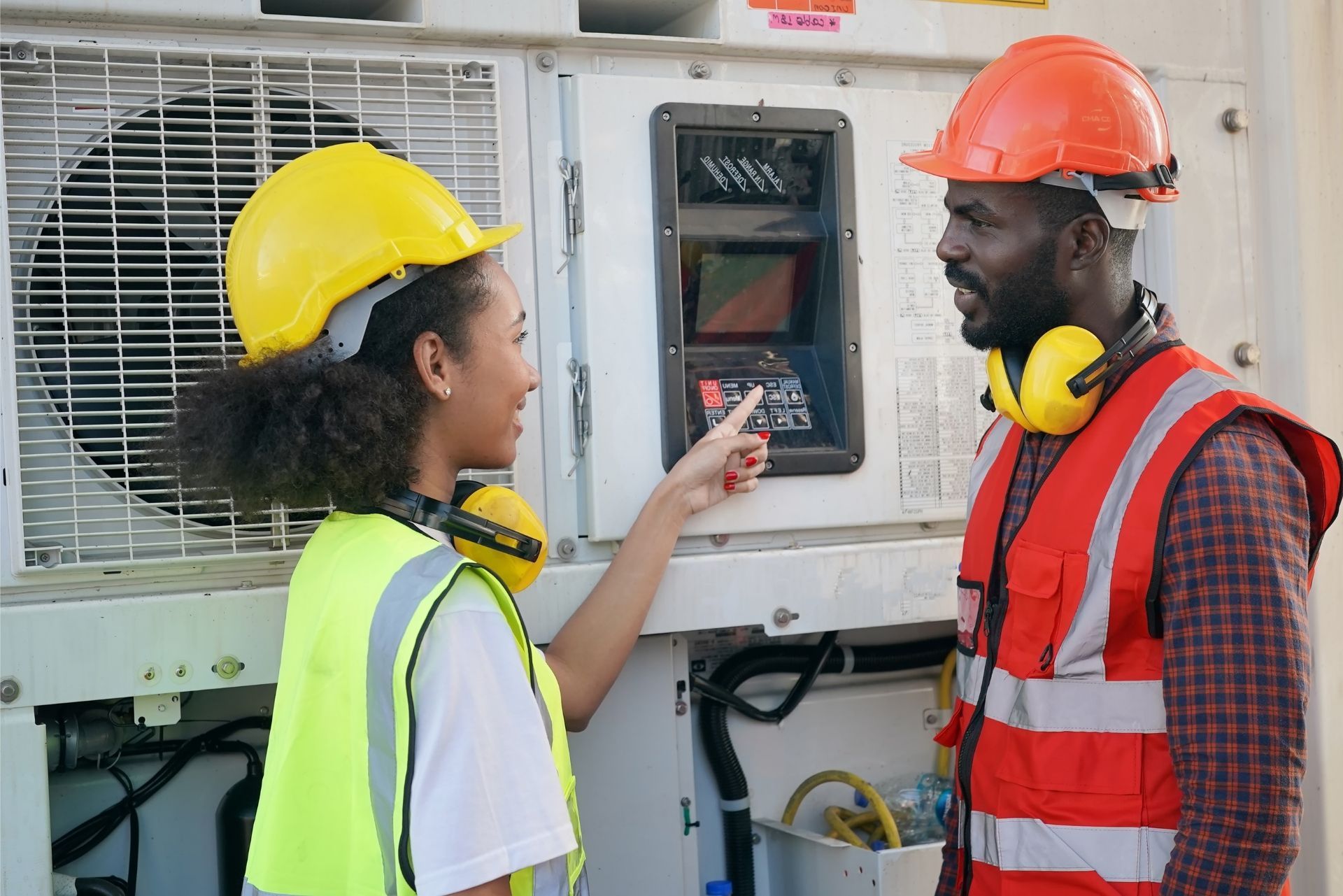
Confusion about coverage is not unique to generator specialists. A recent survey found that 72 percent of Arizona HVAC contractors report feeling unsure about their insurance coverage needswhich points to a broader challenge among mechanical trades. Generator technicians often operate under similar misconceptions, assuming that any policy labeled “contractor” or “general liability” will automatically fit their actual work. That gap between label and reality is where serious exposure hides.
One frequent mistake is relying solely on a basic general liability policy while ignoring property, auto, or professional exposures. Another is underestimating equipment values, especially for specialty tools and diagnostic devices. Some businesses forget to update their insurer when they add services like remote monitoring or start working on larger commercial or industrial projects. Others misunderstand their role as subcontractors, assuming they are covered by a general contractor’s policy when that coverage may be limited or nonexistent for their operations.
Quick comparison of key policies for generator technicians
Looking at the main policies side by side makes it easier to see what each one actually does. This simple comparison can serve as a conversation starter with a knowledgeable agent or broker who understands Arizona’s contractor market.
| Policy type | Primary purpose | Typical claim example |
|---|---|---|
| General liability | Protects against third party bodily injury and property damage allegations arising from operations | Client claims a miswired transfer switch caused their appliances to fail |
| Commercial property | Covers buildings, inventory, and equipment at a fixed business location | Small office and stored parts are damaged by a break in or vandalism |
| Inland marine / equipment floater | Protects tools and mobile equipment while in transit or on job sites | Specialty diagnostic equipment is stolen from a work truck at a hotel |
| Commercial auto | Addresses liability and physical damage for vehicles used in the business | Service van rear ends another driver while hauling a generator |
| Workers compensation | Provides medical and wage benefits for employees injured in the course of employment | Technician injures a shoulder while unloading a generator from a trailer |
| Professional liability | Helps with claims alleging bad advice, design, or configuration that causes financial loss | Client alleges an undersized system design led to costly downtime |
| Cyber coverage | Responds to data breaches, hacked systems, and certain cyber incidents | Remote monitoring account is compromised and client data is exposed |
How to estimate the right limits and customize your policy
Selecting limits is one of the most challenging parts of building an insurance program. Set them too low and a single serious claim can pierce through coverage, leaving personal or business assets exposed. Set them unrealistically high without context and premiums may become harder to justify. The goal is to find a rational middle ground, based on the actual scale and nature of the work.
Generator technicians can start by looking at the types of projects they handle and the value of the property they touch. Working on backup power systems for large commercial properties, medical facilities, or data infrastructure will typically warrant higher liability limits than routine residential jobs. Contract requirements are a useful reference point but should not be the only factor. It is often wise to think a step beyond contract minimums, especially where the potential for downstream business interruption losses exists.
Customizing coverage also means being candid about operations when completing applications. If the business occasionally works with fuel storage tanks, handles natural gas connections, or performs trenching for conduit, that information should be shared up front. Hiding or glossing over higher hazard activities might reduce the initial premium, but it also increases the chance of disputes during claims. An accurate description of services helps an experienced insurance professional tailor endorsements, classifications, and exclusions so they match reality.
Practical risk management tips to keep claims low
Insurance is a safety net, not a substitute for good risk management. Generator technicians who invest even modest effort in safety and documentation often see fewer losses and better long term pricing. That starts with consistent job planning. Pre work checklists, equipment inspections, and confirmation of lockout procedures reduce the chance of accidental energizing or overlooked hazards.
Electrical work also rewards clear worksite communication. Simple habits like walking clients through what will be turned off, identifying sensitive electronics, and explaining testing steps can prevent misunderstandings. On commercial sites, coordination with facility managers and other trades helps avoid conflicts around access, crane use, or fuel deliveries. Many disputes arise not from technical failures but from misaligned expectations.
Finally, recordkeeping matters. Saving photos of panel labels, transfer switch wiring, and generator settings at project completion provides a reference if issues surface later. Keeping copies of permits, inspection approvals, and maintenance logs creates a paper trail that can be invaluable if a claim arises. These habits support the defense side of an insurance policy, giving adjusters and attorneys the information they need to argue that work was performed responsibly.
Frequently asked questions about Arizona generator technician insurance
Many generator specialists ask similar questions when they first start digging into insurance details. The following answers are not a substitute for legal or tax advice, but they do give a practical starting point for more focused conversations with a licensed professional who understands Arizona’s contractor regulations.
Is general liability enough for a small generator technician business?
General liability is an important foundation, yet it usually is not enough on its own. Most generator technicians also need coverage for tools and equipment, vehicles used for work, and in some cases professional or cyber exposures. The more varied the projects and clients, the more important it becomes to add those additional layers.
Do I need commercial auto if I only use a pickup titled in my own name?
Personal auto policies often limit or exclude coverage when a vehicle is used primarily for business. If that pickup regularly hauls tools, generators, or parts to job sites, commercial auto coverage is usually the safer route. It is especially important if the vehicle is branded, carries employees, or tows trailers.
What kind of insurance do I need if I work as a subcontractor?
Subcontractors are typically expected to carry their own general liability and sometimes workers compensation, even if the general contractor has coverage. Relying solely on another company’s policy is risky, because it may not respond to your specific operations or may apply only after your own limits are exhausted. Written contracts should spell out who is responsible for what, including additional insured and waiver of subrogation requirements.
Does my homeowners policy cover tools stored in my garage?
Homeowners policies often provide very limited coverage for business property, especially tools and equipment used for income generating work. In many cases, those items need to be insured under a commercial property or inland marine policy. Relying on personal coverage for business assets can lead to unpleasant surprises after a theft, fire, or other loss.
How often should generator technicians review their insurance program?
A practical approach is to review policies whenever the business changes in a meaningful way, such as adding employees, entering new types of projects, or buying significant equipment. Even without big changes, a yearly review helps catch gaps, outdated limits, or better options in the market. Keeping an open line with an insurance professional reduces the chance of unexpected coverage issues after a loss.
Is professional liability really necessary if I follow code and manufacturer specs?
Following code and manufacturer guidelines is essential, but clients can still allege that recommendations or system design decisions were inadequate. Professional liability coverage helps defend against claims that focus on judgment or advice rather than purely on workmanship. It is especially valuable for technicians who help size systems, prioritize loads, or integrate generators with complex control systems.
How can I keep premiums manageable as my generator business grows?
Consistent safety practices, clean driving records, and prompt reporting of incidents all contribute to more favorable pricing over time. Accurate, detailed applications and clear documentation of operations help underwriters see the business as organized and responsible. Grouping multiple coverages with a single carrier, when it makes sense, can also create efficiencies without sacrificing protection.
What to remember before you renew your policy
Renewal time often arrives when contractors are busiest, so policies get renewed on autopilot. That habit can be costly. Coverage that fit when a generator technician was mostly handling small residential jobs may be completely outmatched once commercial maintenance contracts, standby units for critical infrastructure, or remote monitoring services come into play. Taking a short, focused look at operations before renewal helps keep coverage aligned with reality.
It also pays to keep an eye on how insurers themselves are changing. Industry experts note that one of the largest trends in recent years has been the integration of artificial intelligence into quoting and rating models, with carriers using these tools to process data and adjust pricing far more quicklyaccording to commentary from insurance professionals in the region. That shift means underwriters may spot discrepancies faster, reward well documented businesses more consistently, and react quickly to emerging loss patterns in specific trades like generator work.
For Arizona generator technicians, the takeaway is simple. Insurance is not a one time checkbox but an ongoing part of running a resilient business. Clear communication with a knowledgeable agent or broker, honest disclosure about operations, and periodic adjustments as the business evolves turn insurance from a grudging expense into a strategic tool. In a state where property risk, power demand, and contractor activity are all on the rise, that kind of preparation is no longer optional. It is part of being ready for the next outage, the next project, and whatever the next claim might bring.
About The Author:
Taylor Whatcott
As President of Wilde Wealth Insurance Services, I’m committed to providing trusted protection for both families and businesses across Arizona. Our independent team works with top-rated carriers to deliver tailored, comprehensive coverage—making insurance simple, accessible, and hassle-free.
Contact Us
Commercial Coverage Solutions
Protect Your Business with the Right Insurance
We offer customized insurance solutions to safeguard your business from financial risks. Our policies provide protection for property, employees, and liability concerns.
Commercial Property Insurance
Safeguards buildings, equipment, and inventory from damage or loss.
Professional Liability Insurance
Covers claims of negligence, errors, or omissions in services.
Cyber Liability Insurance
Protects against data breaches, cyberattacks, and online threats.
Who We Protect
Insurance Solutions for Your Industry
We specialize in providing tailored coverage for businesses in key industries. Our policies are designed to meet industry-specific risks and ensure complete protection.



Protection for Your Home & Assets
Reliable Coverage for Life’s Unexpected Moments
We provide personal insurance solutions designed to safeguard your home, vehicle, and financial well-being. Our policies ensure you and your loved ones are protected.







What Our Clients Say
Real Feedback. Real Confidence.
FAQs
Answers to Common Insurance Questions
How do I know which insurance coverage is right for me?
Choosing the right insurance depends on your personal or business needs. Our team evaluates your risks and recommends tailored coverage to protect what matters most.
We work with multiple carriers to provide different policy options. This allows you to compare benefits, limits, and pricing to make an informed choice.
If you’re unsure, we’ll walk you through the options step by step, ensuring you understand your coverage and feel confident in your decision.
Why should I choose an independent insurance agency like Wilde Wealth?
As an independent agency, we are not tied to a single insurance provider. This means we can compare multiple policies to find the best coverage at the best price.
Our goal is to advocate for you, ensuring you receive personalized service and expert advice tailored to your situation.
Unlike direct insurers, we offer ongoing support, helping you with claims, policy changes, and future coverage needs.
Can I bundle multiple insurance policies to save money?
Yes! Bundling policies like home and auto can lead to significant savings. Many carriers offer discounts for combining multiple coverages.
Bundling also simplifies policy management, with a single point of contact and streamlined renewals.
We help you explore bundling options to ensure you get the best value while maintaining the protection you need.
What factors affect my insurance rates?
Insurance rates are influenced by factors such as coverage limits, location, claims history, and risk exposure. Personal insurance may consider credit scores, driving history, and home value.
For businesses, factors like industry type, employee count, and annual revenue can impact pricing. Each carrier evaluates risk differently.
We shop multiple providers to find the best balance of coverage and cost, ensuring you don’t overpay while staying fully protected.
How does Wilde Wealth Insurance Services help business owners?
We provide customized business insurance solutions to protect against liability, property damage, employee-related risks, and cyber threats.
Our team works with a range of industries, including contractors, restaurants, and real estate professionals, to offer tailored policies.
From small startups to established enterprises, we help business owners minimize risks and keep operations running smoothly.
What happens if I need to file a claim?
Filing a claim is simple with our support. Contact us first, and we’ll guide you through the process, ensuring all necessary information is submitted correctly.
We work directly with your insurance carrier to expedite the claim, keeping you informed at every step.
Our team is here to advocate for you, making sure you receive a fair and timely resolution.
Latest Articles & Insights
Stay Informed with Expert Insurance Advice
We provide valuable insights to help you make informed insurance decisions. Explore our latest articles on coverage options, industry trends, and risk management tips.


Contact Us