
Arizona Garage Door Installer Contractor Insurance
See How We're Different:
or Call Us:(480) 526-3222
Running a garage
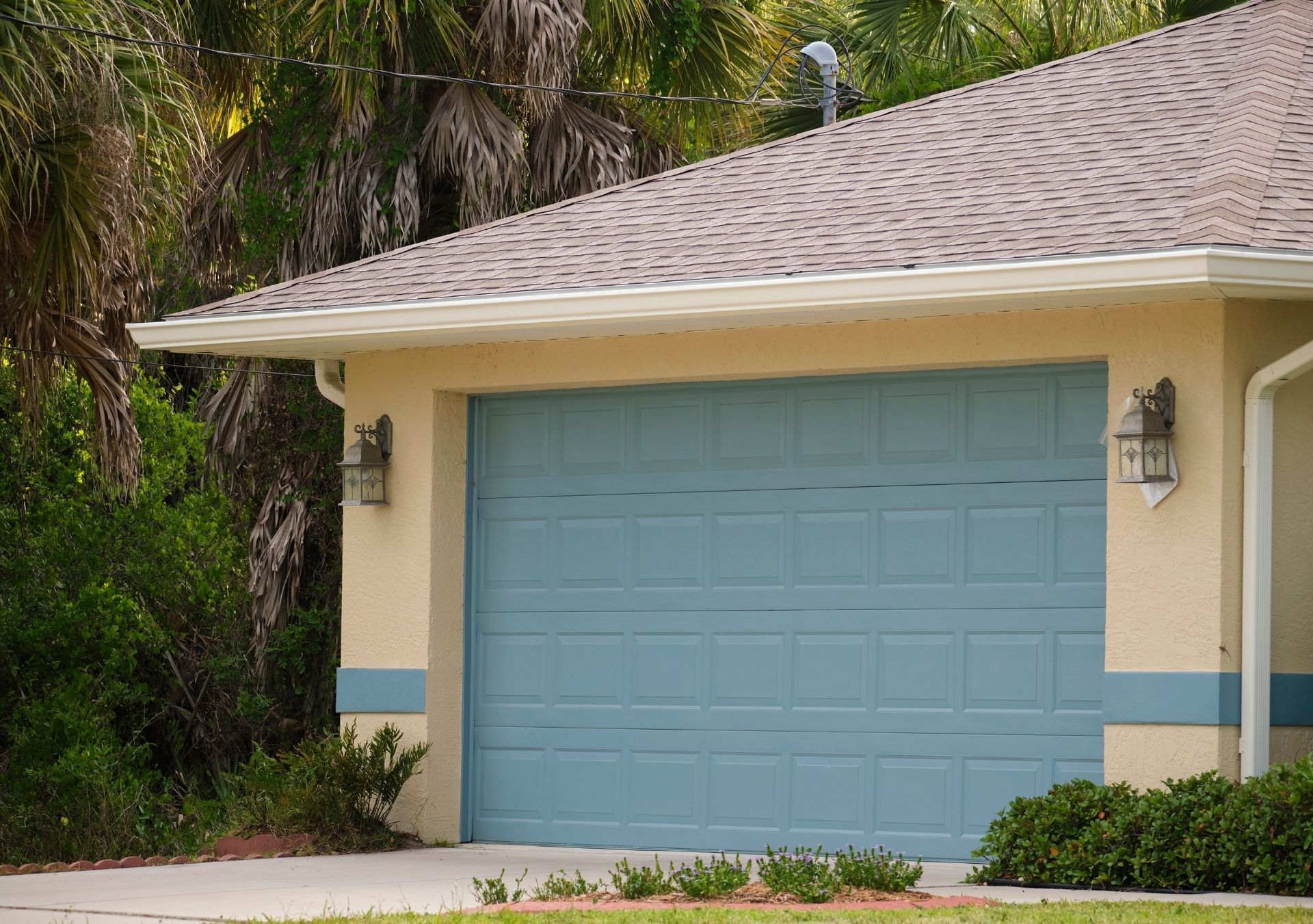
door installation business in Arizona means dealing with heavy springs under extreme tension, overhead lifting equipment, and service calls across scorching desert heat. One wrong move during a torsion spring replacement can send a 400-pound door crashing down, and a single uninsured claim can wipe out years of profit. Whether you're a solo installer working out of a single truck or managing a crew of ten, understanding your
insurance needs isn't optional: it's the difference between surviving a bad day and closing your doors for good. This guide to Arizona garage door installer contractor insurance breaks down the specific coverages you need, what they'll cost, and how to keep premiums manageable while staying compliant with state requirements. Arizona's regulatory environment adds its own wrinkles, too. The state doesn't cap damages in personal injury lawsuits, and compliance obligations kick in earlier than in many other states. Getting your coverage right from the start protects your license, your assets, and your ability to keep bidding on jobs.
Essential Insurance Coverages for Arizona Garage Door Contractors
Every garage door contractor in Arizona needs a core set of policies before taking on any job. The risks are real and specific: a misaligned track can damage a customer's vehicle, a falling panel can injure a homeowner, and a stolen tool trailer can halt operations for weeks. Your insurance portfolio should reflect these daily realities.
General Liability for Property Damage and Bodily Injury
General liability is the foundation of your coverage. It pays for third-party bodily injury and property damage claims: think a customer tripping over your equipment, or your installer scratching a client's car with a ladder. For Arizona businesses with small crews of one to four employees, general liability averages about $122 per month, or $1,470 annually. That said, construction and contracting businesses tend to pay more. Contractors in this category see average monthly premiums closer to $339 because the physical nature of the work drives up risk. Most commercial and residential clients will ask for proof of general liability before letting you on their property.
Workers' Compensation Requirements in Arizona
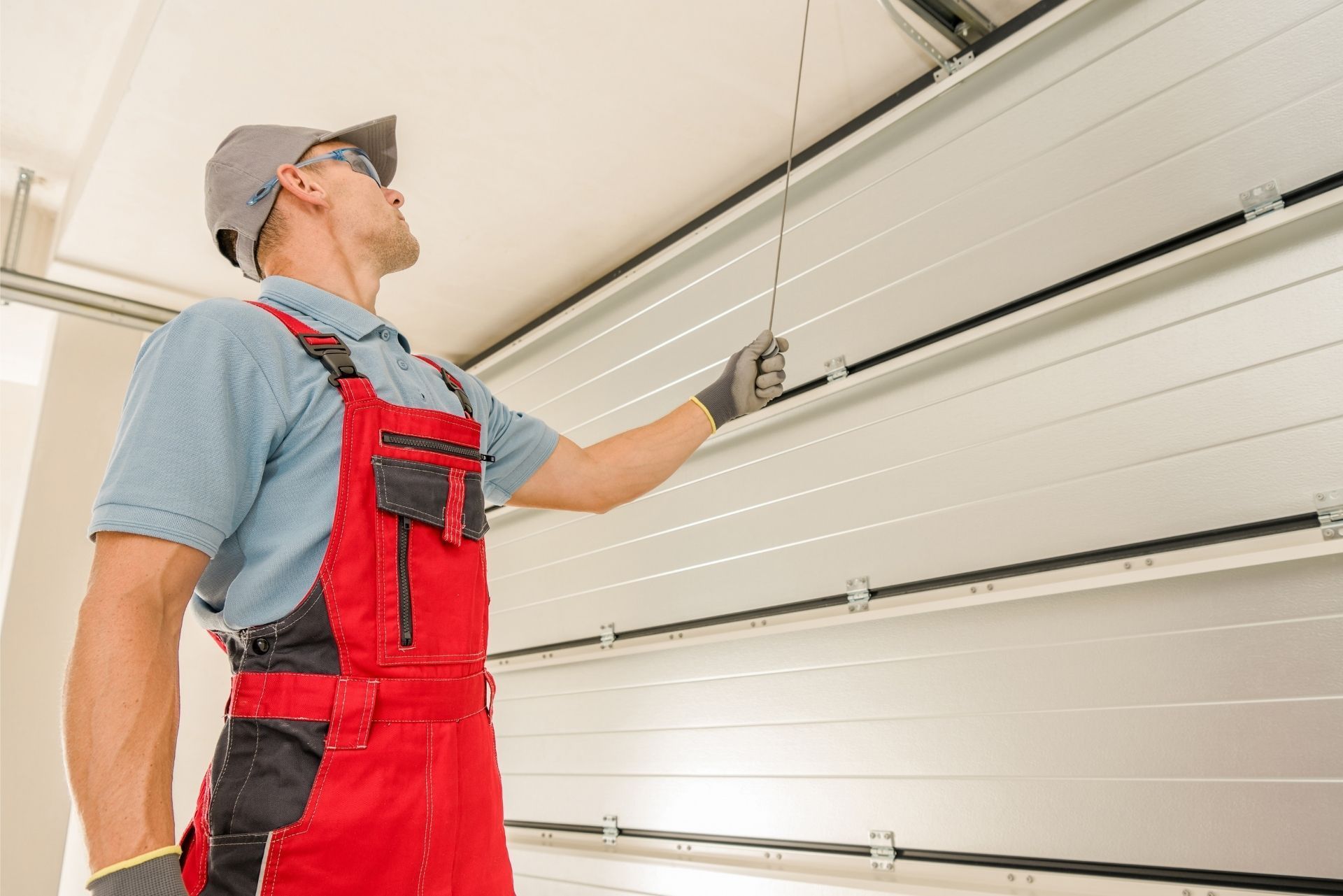
Arizona law requires workers' compensation insurance for any business with at least one employee, including part-time and seasonal workers. This isn't a suggestion: the Arizona Industrial Commission can shut down non-compliant businesses. Workers' comp for garage door contractors can range from $400 to $3,000 per year, depending on your payroll size and number of employees. The classification code for garage door installers carries moderate-to-high rates because of the injury potential from springs, heavy panels, and overhead work. If you're a sole proprietor with no employees, you're exempt but should seriously consider voluntary coverage. One back injury from lifting a steel door can cost you $50,000 or more out of pocket.
Inland Marine Insurance for Tools and Equipment
Your tools don't stay in one place. Drills, spring winding bars, track alignment tools, and motorized openers travel with you to every job site. Standard property insurance typically covers items only at your listed business location. Inland marine insurance fills that gap, protecting your equipment in transit and at customer locations. For a garage door contractor carrying $15,000 to $30,000 in mobile tools and inventory, expect to pay between $300 and $800 annually. This coverage also applies to materials stored temporarily at a job site before installation.
Arizona Registrar of Contractors (ROC) Bond Requirements
Arizona's Registrar of Contractors requires surety bonds from all licensed contractors. These bonds aren't insurance for you: they protect the public. If you fail to complete a job or violate your contract, a customer can file a claim against your bond. The bond amount depends on your license classification and the type of work you perform.
Residential vs. Commercial License Surety Bonds
Residential contractors in Arizona need a surety bond of $4,000 to $10,000, depending on the license classification. Commercial (dual) license holders face higher bond requirements, sometimes reaching $15,000 or more. The cost of the bond itself is a fraction of the face value: typically 1% to 5% of the bond amount, based on your credit score and financial history. A contractor with good credit might pay $100 to $300 per year for a $10,000 bond. Poor credit pushes that cost significantly higher.
The Role of Consumer Protection Bonds
Arizona also maintains a Residential Contractors' Recovery Fund, funded in part through contractor licensing fees. This fund provides an additional layer of consumer protection beyond your surety bond. If a homeowner suffers financial loss due to your work and exhausts the surety bond, they can file a claim against this fund. You should understand that claims against either your bond or this fund can trigger disciplinary action from the ROC, including license suspension. Keeping clean records and resolving disputes before they escalate is always cheaper than dealing with bond claims.
Specialized Policies for Installation and Repair Risks
Septic contractors face hazards that most other trades don't encounter. Understanding these risks helps you choose the right coverage limits and identify gaps before a claim exposes them.
Excavation and Underground Utility Hazards
Every time you dig, you risk hitting a gas line, water main, fiber optic cable, or electrical conduit. Even with proper utility locates, unmarked lines exist. A severed gas line can lead to evacuations, property damage, and injury claims that quickly exceed basic policy limits. Your general liability policy covers most of these scenarios, but you need to verify that your limits are adequate for the potential severity.
Trench collapses are another serious concern. OSHA requires protective systems for trenches five feet or deeper, and Arizona's soil conditions vary widely. A cave-in that injures or kills a worker creates workers' comp claims, potential OSHA fines, and possible third-party lawsuits. Carrying umbrella or excess liability coverage above your primary policies provides an extra layer of protection for catastrophic events.
Septic Failure and Groundwater Contamination Claims
A system you installed five years ago backs up and floods a home. A drainfield you designed contaminates a well on an adjacent property. These are the claims that keep septic contractors up at night, and they're more common than you'd think. Completed operations coverage within your general liability policy handles claims that arise after you've finished a job, but pollution-related failures need that separate pollution policy.
Groundwater contamination claims are particularly expensive because they involve environmental testing, remediation, legal defense, and potentially long-term monitoring. One contamination event can generate claims from multiple neighboring properties. Make sure your pollution liability limits reflect this potential for cascading damages.
Average Costs and Pricing Factors in Arizona
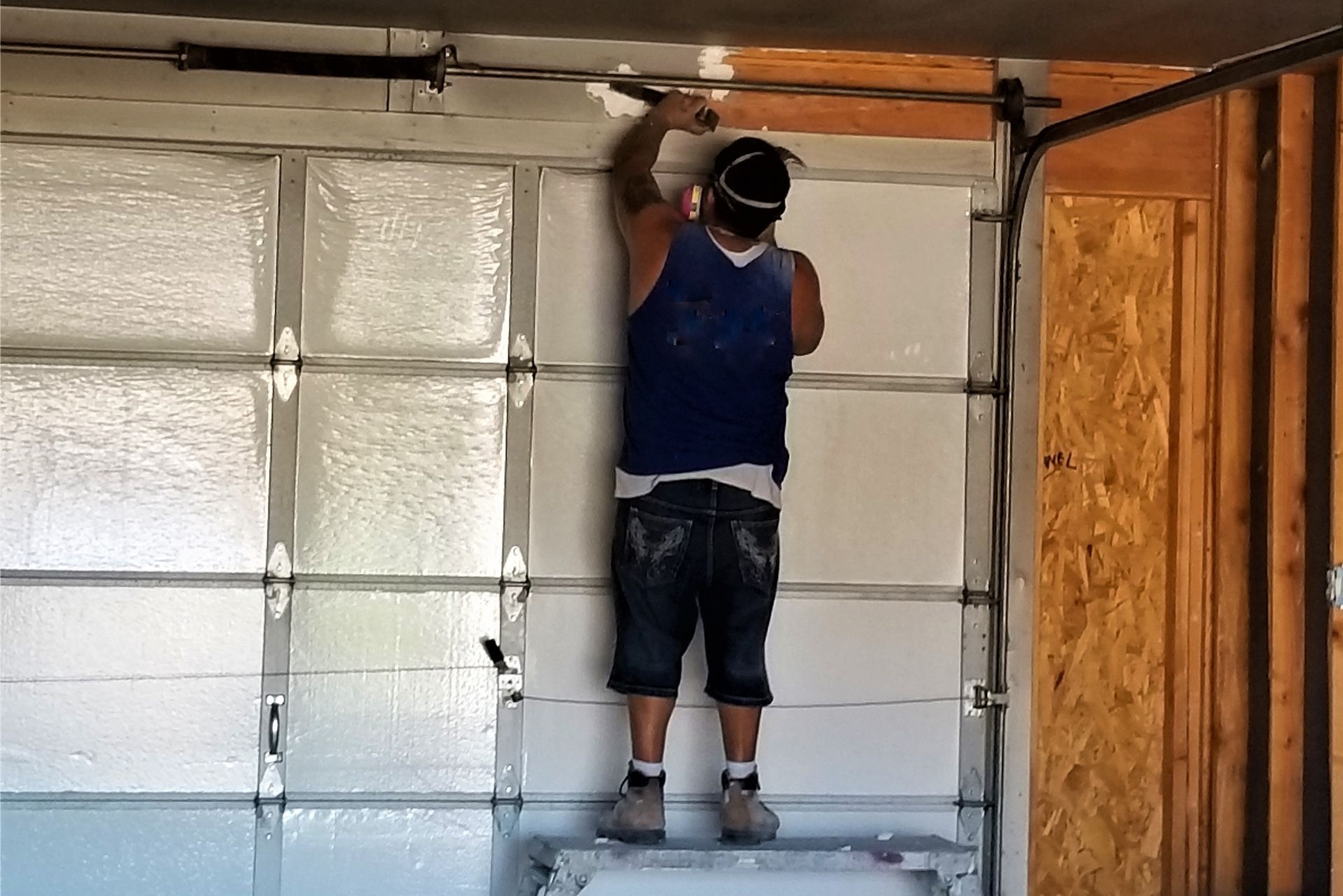
Insurance pricing for Arizona garage door contractors varies widely based on business size, claims history, and the specific coverages you carry. Arizona's insurance market has its own quirks: the state's no-damages-cap environment and wildfire-related property risks push premiums in unexpected directions compared to other states.
Estimated Annual Premiums by Business Size
Here's a rough breakdown of what Arizona garage door contractors can expect to pay annually:
| Coverage Type | Solo Operator | 2-5 Employees | 6-10 Employees |
|---|---|---|---|
| General Liability | $1,200 - $1,800 | $2,000 - $4,000 | $4,000 - $7,000 |
| Workers' Comp | Voluntary ($400+) | $800 - $2,000 | $2,000 - $3,000+ |
| Commercial Auto | $1,200 - $2,000 | $2,500 - $5,000 | $5,000 - $8,000 |
| Inland Marine | $300 - $600 | $500 - $800 | $800 - $1,500 |
| BOP (GL + Property) | $1,200 - $1,668 | $1,668 - $3,000 | $3,000 - $5,000 |
A Business Owner's Policy bundles general liability with commercial property coverage and averages $139 monthly, or $1,668 annually, for Arizona small businesses. This is often the most cost-effective starting point for new contractors.
How Claims History and Experience Modifiers Affect Rates
Your experience modification rate (EMR) is a number that insurers use to predict future workers' comp claims based on your past history. A new business starts at 1.0. If you've had fewer claims than average, your EMR drops below 1.0, and your premiums decrease. More claims push it above 1.0, and you'll pay a surcharge. One serious injury claim can inflate your EMR for three years. Arizona small businesses that maintain clean claims records across all coverage types
average just $95 monthly, or $1,141 annually, for their core policies. That's a significant savings compared to contractors with active claims.
The cheapest insurance claim is the one that never happens. Insurers reward contractors who demonstrate active risk management, and the savings can be substantial.
- Train every employee on proper spring handling and door balancing procedures before they touch a job site
- Document safety meetings and keep attendance records: insurers want proof
- Install GPS tracking on service vehicles to reduce theft and monitor driving behavior
- Require customers to clear the garage area before your crew arrives, reducing trip-and-fall exposure
- Use written contracts that clearly define scope of work and warranty terms
- Maintain all tools and equipment on a regular schedule, and keep maintenance logs
Bundling multiple policies with one carrier often triggers discounts of 10% to 20%. Raising your deductible from $500 to $2,500 can lower premiums by 15% or more, though you need the cash reserves to cover that higher deductible if a claim hits.
How to Obtain and Verify Certificates of Insurance (COI)
A Certificate of Insurance is a one-page document proving you carry active coverage. General contractors, property managers, and commercial clients will request a COI before allowing you on site. Your insurance agent or broker can issue one within 24 hours, usually at no extra cost.
Each COI should list the policy types, coverage limits, effective dates, and the certificate holder's name. If a general contractor asks to be listed as an "additional insured," that's a separate endorsement on your policy: not just a name on the certificate. Make sure you understand the difference, because additional insured status extends your coverage to protect that third party, which can affect your premiums.
To verify another contractor's COI, contact the issuing insurance company directly. Don't rely on a paper certificate alone: they can be forged or outdated. The Arizona Registrar of Contractors also maintains public records of licensed contractors, including bond status, which you can check online.
Frequently Asked Questions
Do I need insurance if I'm a sole proprietor with no employees? You're not legally required to carry workers' comp, but general liability is effectively mandatory if you want to win contracts. Most clients and general contractors won't hire an uninsured installer.
Can I use my personal auto insurance for my work truck? No. Personal auto policies exclude commercial use. If you're hauling garage door panels and equipment to job sites, you need a commercial auto policy.
How quickly can I get insured in Arizona? Many carriers offer same-day or next-day binding for general liability and commercial auto. Workers' comp and surety bonds may take two to five business days.
What happens if my ROC bond lapses? Your contractor license can be suspended. The Registrar of Contractors monitors bond status, and a lapse triggers automatic notification and potential disciplinary action.
Is a BOP better than buying policies separately? For most small garage door contractors, a BOP saves 10% to 15% compared to purchasing general liability and property coverage as standalone policies. It's usually the smarter starting point.
Making the Right Choice for Your Business
Getting your insurance coverage right as an Arizona garage door contractor isn't just about checking boxes for the ROC. It's about protecting the business you've built from the specific risks you face every day: heavy equipment, high-tension springs, service vehicles on Phoenix freeways, and customers who expect flawless work. Start with general liability and workers' comp, add commercial auto and inland marine for your mobile operations, and make sure your surety bond stays current. Compare quotes from at least three carriers, ask about bundling discounts, and review your policies annually as your business grows. The right coverage at the right price keeps you licensed, protected, and competitive.
About The Author:
Taylor Whatcott
As President of Wilde Wealth Insurance Services, I’m committed to providing trusted protection for both families and businesses across Arizona. Our independent team works with top-rated carriers to deliver tailored, comprehensive coverage—making insurance simple, accessible, and hassle-free.
Contact Us
Commercial Coverage Solutions
Protect Your Business with the Right Insurance
We offer customized insurance solutions to safeguard your business from financial risks. Our policies provide protection for property, employees, and liability concerns.
Commercial Property Insurance
Safeguards buildings, equipment, and inventory from damage or loss.
Professional Liability Insurance
Covers claims of negligence, errors, or omissions in services.
Cyber Liability Insurance
Protects against data breaches, cyberattacks, and online threats.
Who We Protect
Insurance Solutions for Your Industry
We specialize in providing tailored coverage for businesses in key industries. Our policies are designed to meet industry-specific risks and ensure complete protection.




Protection for Your Home & Assets
Reliable Coverage for Life’s Unexpected Moments
We provide personal insurance solutions designed to safeguard your home, vehicle, and financial well-being. Our policies ensure you and your loved ones are protected.







What Our Clients Say
Real Feedback. Real Confidence.
FAQs
Answers to Common Insurance Questions
How do I know which insurance coverage is right for me?
Choosing the right insurance depends on your personal or business needs. Our team evaluates your risks and recommends tailored coverage to protect what matters most.
We work with multiple carriers to provide different policy options. This allows you to compare benefits, limits, and pricing to make an informed choice.
If you’re unsure, we’ll walk you through the options step by step, ensuring you understand your coverage and feel confident in your decision.
Why should I choose an independent insurance agency like Wilde Wealth?
As an independent agency, we are not tied to a single insurance provider. This means we can compare multiple policies to find the best coverage at the best price.
Our goal is to advocate for you, ensuring you receive personalized service and expert advice tailored to your situation.
Unlike direct insurers, we offer ongoing support, helping you with claims, policy changes, and future coverage needs.
Can I bundle multiple insurance policies to save money?
Yes! Bundling policies like home and auto can lead to significant savings. Many carriers offer discounts for combining multiple coverages.
Bundling also simplifies policy management, with a single point of contact and streamlined renewals.
We help you explore bundling options to ensure you get the best value while maintaining the protection you need.
What factors affect my insurance rates?
Insurance rates are influenced by factors such as coverage limits, location, claims history, and risk exposure. Personal insurance may consider credit scores, driving history, and home value.
For businesses, factors like industry type, employee count, and annual revenue can impact pricing. Each carrier evaluates risk differently.
We shop multiple providers to find the best balance of coverage and cost, ensuring you don’t overpay while staying fully protected.
How does Wilde Wealth Insurance Services help business owners?
We provide customized business insurance solutions to protect against liability, property damage, employee-related risks, and cyber threats.
Our team works with a range of industries, including contractors, restaurants, and real estate professionals, to offer tailored policies.
From small startups to established enterprises, we help business owners minimize risks and keep operations running smoothly.
What happens if I need to file a claim?
Filing a claim is simple with our support. Contact us first, and we’ll guide you through the process, ensuring all necessary information is submitted correctly.
We work directly with your insurance carrier to expedite the claim, keeping you informed at every step.
Our team is here to advocate for you, making sure you receive a fair and timely resolution.
Latest Articles & Insights
Stay Informed with Expert Insurance Advice
We provide valuable insights to help you make informed insurance decisions. Explore our latest articles on coverage options, industry trends, and risk management tips.


Contact Us